Fluffy Perfection: White Rice Recipe for Every Meal
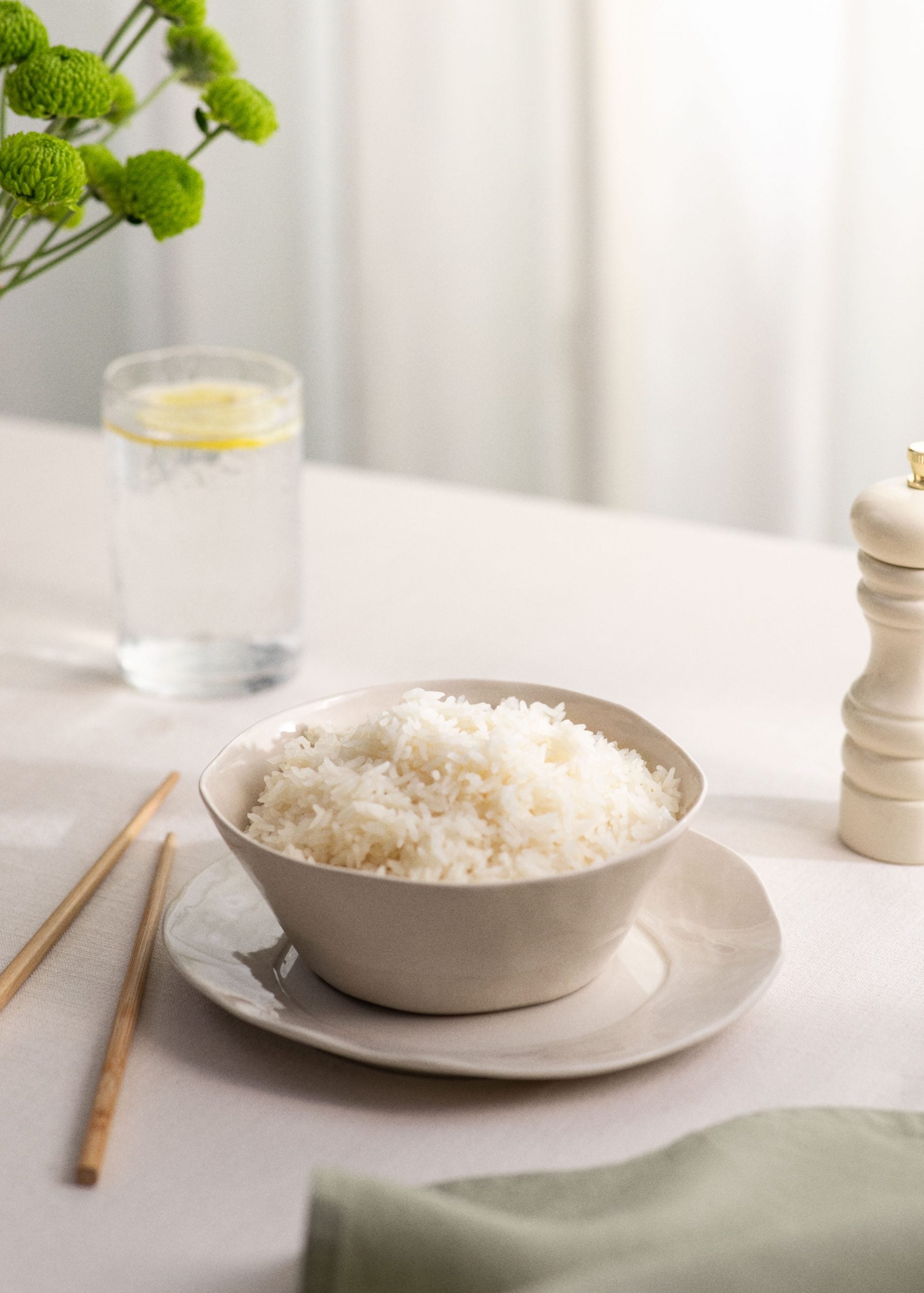
white rice recipe

The Perfect White Rice Recipe

White rice is a versatile and delicious staple that complements a wide variety of dishes. Whether you’re serving it alongside a flavourful curry or as a base for stir-fried vegetables, mastering the art of cooking white rice is essential for any home cook. Follow this simple recipe to achieve fluffy, perfectly cooked white rice every time.

Ingredients:

  • 1 cup of white rice
  • 2 cups of water
  • Pinch of salt (optional)

Instructions:

  1. Rinse the rice under cold water until the water runs clear. This helps remove excess starch and prevents the rice from becoming too sticky.
  2. In a saucepan, combine the rinsed rice, water, and salt (if using). Bring to a boil over high heat.
  3. Once boiling, reduce the heat to low and cover the saucepan with a tight-fitting lid. Let the rice simmer for about 15-20 minutes or until all the water is absorbed.
  4. Remove the saucepan from the heat and let it sit, covered, for an additional 5 minutes to allow the steam to finish cooking the rice.
  5. Fluff the rice with a fork to separate the grains and serve hot.

Enjoy your perfectly cooked white rice as a side dish or as part of your favourite meal. Experiment with adding herbs, spices, or even vegetables to customise this basic recipe to suit your taste preferences. With just a few simple steps, you can elevate any meal with fluffy, fragrant white rice.

Whether you’re a novice cook or seasoned chef, this white rice recipe is sure to become a go-to in your culinary repertoire. Bon appétit!


7 Essential Tips for Perfectly Cooked White Rice

  1. Rinse the rice before cooking to remove excess starch and improve texture.
  2. Use a ratio of 1
  3. Add a pinch of salt to enhance the flavour of the rice.
  4. Avoid stirring the rice while it’s cooking to prevent it from becoming mushy.
  5. Let the rice rest for a few minutes after cooking to allow any excess moisture to evaporate.
  6. Consider adding a knob of butter or a splash of olive oil for extra richness and flavour.
  7. Fluff the cooked rice with a fork before serving to separate the grains.

Rinse the rice before cooking to remove excess starch and improve texture.

Rinsing the rice before cooking is a crucial step that can significantly enhance the texture and overall quality of your white rice dish. By washing the rice under cold water until it runs clear, you effectively remove excess starch, which helps prevent the grains from sticking together during cooking. This simple yet essential tip not only improves the texture of the rice but also ensures that each grain cooks up fluffy and separate, resulting in a perfectly light and delicious final dish.

Use a ratio of 1

When preparing white rice, a key tip to remember is to use a ratio of 1:2 for rice to water. This means for every cup of white rice, you should add two cups of water. Maintaining this ratio ensures that the rice cooks evenly and absorbs the right amount of moisture, resulting in perfectly fluffy grains. By following this simple guideline, you can achieve consistently delicious white rice that pairs perfectly with a variety of dishes.

Add a pinch of salt to enhance the flavour of the rice.

Enhance the flavour of your white rice by adding a pinch of salt to the cooking water. This simple tip can elevate the taste of the rice, bringing out its natural flavours and creating a more balanced dish. The salt not only enhances the overall taste but also helps to season each grain of rice, ensuring that every bite is delicious. Next time you cook white rice, don’t forget this small but impactful addition to take your dish to the next level.

Avoid stirring the rice while it’s cooking to prevent it from becoming mushy.

To ensure your white rice turns out perfectly fluffy and not mushy, it is crucial to resist the temptation to stir it while it’s cooking. Stirring the rice can disrupt the cooking process and release excess starch, leading to a sticky, clumpy texture. By allowing the rice to simmer undisturbed with the lid on, you give it the opportunity to absorb the water evenly and cook to perfection. Remember, patience is key when preparing white rice – resist stirring and let it steam gently for a flawless result every time.

Let the rice rest for a few minutes after cooking to allow any excess moisture to evaporate.

Allowing the cooked white rice to rest for a few minutes after cooking is a crucial tip to ensure the perfect texture and consistency. This resting period allows any excess moisture to evaporate, resulting in fluffy and well-separated grains. By giving the rice time to settle, you enhance its overall quality and prevent it from becoming overly sticky or mushy. Patience in this final step can make a significant difference in the final outcome of your white rice dish, ensuring a delightful dining experience with each bite.

Consider adding a knob of butter or a splash of olive oil for extra richness and flavour.

Enhance the richness and flavour of your white rice by incorporating a knob of butter or a splash of olive oil into the cooking process. These additions not only elevate the taste profile of the rice but also contribute a luxurious texture that will delight your taste buds. Whether you prefer the creamy richness of butter or the fruity notes of olive oil, this simple tip can transform your basic white rice into a decadent and irresistible accompaniment to any meal.

Fluff the cooked rice with a fork before serving to separate the grains.

To enhance the texture and presentation of your cooked white rice, a crucial tip is to gently fluff it with a fork before serving. This simple yet effective step helps to separate the individual grains, preventing them from clumping together and ensuring a light and fluffy consistency. By taking a moment to fluff the rice, you not only improve its appearance but also create a more enjoyable eating experience, allowing each grain to stand out and absorb flavours more effectively. Remember, the art of fluffing with a fork can make a significant difference in elevating your white rice dish to perfection.
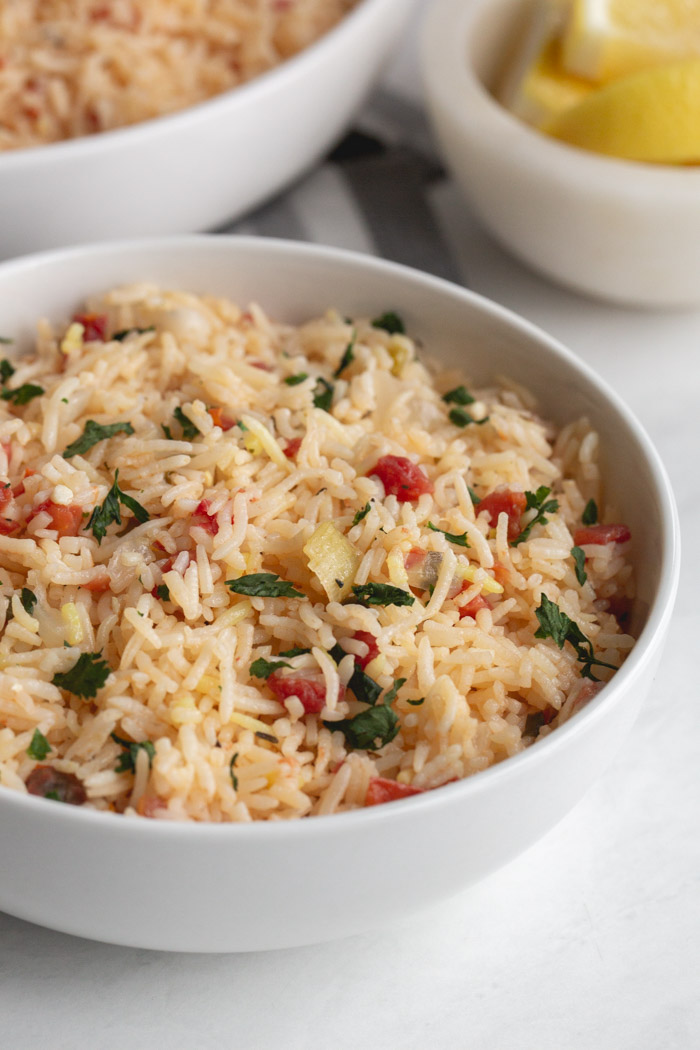
Delightful Basmati Rice Recipe: A Fragrant Culinary Experience

basmati rice recipe

The Perfect Basmati Rice Recipe: A Taste of Fragrant Delight

Basmati rice, known for its long grains and distinctive aroma, is a staple in many cuisines around the world. Its delicate flavour and fluffy texture make it a versatile ingredient that can elevate any dish. Here, we present a simple yet delicious basmati rice recipe that will surely tantalise your taste buds.

Ingredients:

  • 1 cup basmati rice
  • 2 cups water
  • Salt to taste
  • 1 tablespoon ghee or butter

Instructions:

  1. Rinse the basmati rice under cold water until the water runs clear to remove excess starch.
  2. In a saucepan, bring 2 cups of water to a boil.
  3. Add the rinsed rice and salt to the boiling water. Stir gently.
  4. Cover the saucepan with a tight-fitting lid, reduce the heat to low, and simmer for 15-20 minutes or until the rice is tender and all the water is absorbed.
  5. Remove the saucepan from heat and let it sit, covered, for an additional 5 minutes to allow the rice to steam.
  6. Fluff the rice with a fork and stir in ghee or butter for added richness.

This fragrant basmati rice pairs perfectly with curries, grilled meats, or vegetable stir-fries. Its light and airy texture will complement any dish, adding a touch of elegance to your meal. Enjoy this simple yet exquisite basmati rice recipe as a delightful addition to your culinary repertoire.

Bon appétit!


Five Reasons to Choose Basmati Rice for Your Next Meal

  1. Basmati rice has a distinct and pleasant aroma that enhances the overall dining experience.
  2. The long grains of basmati rice give it an elegant appearance when served, making it visually appealing.
  3. Basmati rice is versatile and can be paired with a wide variety of dishes, from curries to grilled meats.
  4. Cooking basmati rice is relatively easy and quick, making it a convenient choice for busy individuals.
  5. The fluffy texture of basmati rice adds a lightness to meals, making them more enjoyable and satisfying.


Considerations When Cooking Basmati Rice: Five Potential Drawbacks

  1. Requires rinsing before cooking to remove excess starch.
  2. May take longer to cook compared to other types of rice.
  3. Can be more expensive than regular white rice varieties.
  4. Not ideal for dishes that require sticky or glutinous rice texture.
  5. The delicate flavour of basmati rice may be overpowered by strong spices or sauces.

Basmati rice has a distinct and pleasant aroma that enhances the overall dining experience.

The distinct and pleasant aroma of basmati rice is a delightful pro that significantly enhances the overall dining experience. As the fragrant steam rises from the cooked grains, it tantalises the senses and creates an inviting atmosphere at the dining table. The aromatic essence of basmati rice not only adds depth to the dish but also evokes a sense of comfort and satisfaction, making every bite a truly memorable and enjoyable moment.

The long grains of basmati rice give it an elegant appearance when served, making it visually appealing.

The elongated grains of basmati rice not only contribute to its distinct aroma and fluffy texture but also enhance its visual appeal when presented on a plate. The slender, slender grains create a striking and elegant appearance that adds a touch of sophistication to any dish. Whether served as a side or as the main component of a meal, the graceful presence of basmati rice elevates the dining experience, making it not just a culinary delight but also a feast for the eyes.

Basmati rice is versatile and can be paired with a wide variety of dishes, from curries to grilled meats.

Basmati rice stands out as a versatile ingredient that effortlessly complements a diverse array of dishes. Its subtle flavour and fluffy texture make it an ideal accompaniment to a spectrum of culinary creations, ranging from aromatic curries to succulent grilled meats. Whether serving as a simple side dish or forming the foundation of a complex meal, basmati rice’s adaptability ensures that it can enhance the flavours and textures of a wide range of cuisines, making it a beloved choice for both home cooks and professional chefs alike.

Cooking basmati rice is relatively easy and quick, making it a convenient choice for busy individuals.

Cooking basmati rice is a pro due to its relative ease and speed, making it a convenient choice for busy individuals. With simple steps and a short cooking time, preparing basmati rice fits seamlessly into hectic schedules, allowing for a delicious and satisfying meal without the need for extensive preparation. Its versatility and quick cooking process make basmati rice a go-to option for those seeking a convenient yet flavourful addition to their meals, catering to the demands of modern-day lifestyles.

The fluffy texture of basmati rice adds a lightness to meals, making them more enjoyable and satisfying.

The fluffy texture of basmati rice brings a delightful lightness to meals, enhancing the overall dining experience and imparting a sense of satisfaction. With each forkful of perfectly cooked basmati rice, the meal becomes more enjoyable as the grains effortlessly complement the flavours of accompanying dishes. This unique quality of basmati rice elevates the dining experience, making it a favoured choice for those seeking a harmonious balance of taste and texture in their meals.

Requires rinsing before cooking to remove excess starch.

One potential downside of preparing basmati rice is the need to rinse it thoroughly before cooking to eliminate excess starch. This extra step may add a few minutes to the preparation process and can be perceived as an additional task for some cooks. However, despite this minor inconvenience, rinsing the basmati rice is essential for achieving the desired fluffy texture and distinct flavour that this type of rice is known for. The effort put into rinsing the rice pays off in the end result, ensuring a delicious and aromatic dish that is well worth the initial preparation time.

May take longer to cook compared to other types of rice.

When preparing basmati rice, one potential drawback to consider is that it may take longer to cook in comparison to other types of rice. Due to its long grains and unique texture, basmati rice requires a slightly longer cooking time to achieve the desired fluffy consistency. While this extra time may test your patience, the end result of perfectly cooked basmati rice with its distinct aroma and delicate flavour makes the wait worthwhile. Embracing this con as part of the cooking process can lead to a rewarding culinary experience that showcases the essence of this beloved rice variety.

Can be more expensive than regular white rice varieties.

While basmati rice is renowned for its exceptional quality and aromatic flavour, one potential drawback is that it can be more expensive than regular white rice varieties. The higher cost of basmati rice is often attributed to its premium quality, long grains, and unique fragrance. Despite the price difference, many enthusiasts consider the superior taste and texture of basmati rice well worth the investment. Its versatility in various dishes and ability to enhance the overall dining experience make it a desirable choice for those looking to elevate their culinary creations.

Not ideal for dishes that require sticky or glutinous rice texture.

While basmati rice is renowned for its fluffy and separate grains, it may not be the best choice for dishes that call for a sticky or glutinous rice texture. This characteristic of basmati rice, which sets it apart in terms of its light and airy quality, may not lend itself well to recipes where a stickier consistency is desired. Dishes such as sushi or certain traditional Asian desserts that rely on a sticky rice texture may benefit more from using specific varieties of rice better suited to achieving that desired stickiness.

The delicate flavour of basmati rice may be overpowered by strong spices or sauces.

When preparing a basmati rice dish, one potential downside to be mindful of is that the delicate flavour of the rice can easily be overshadowed by the presence of strong spices or sauces. While basmati rice is known for its subtle aroma and taste, robust seasonings or overpowering sauces may mask its natural essence, resulting in a less nuanced culinary experience. To fully appreciate the fragrant delight of basmati rice, it is advisable to pair it with milder flavours that complement rather than overpower its inherent qualities, allowing the rice to shine through and be enjoyed to its fullest potential.