Rice Pilaf: A Fragrant, Versatile Classic

rice pilaf

Rice Pilaf: A Fragrant, Versatile Classic

Rice pilaf is a simple dish with a remarkable ability to adapt. The rice is first gently cooked with aromatics, then simmered in stock until it is tender and full of flavour. The result should be light and separate rather than sticky, making pilaf an appealing side dish as well as a satisfying meal in its own right.

A dish with many traditions

Known by different names, including pilau and pulao, pilaf belongs to a broad family of rice dishes enjoyed across the Middle East, Central Asia, the Mediterranean and South Asia. Recipes vary from place to place: some are delicately seasoned, while others include dried fruit, nuts, vegetables or meat. There is no single version that defines them all.

What many pilaf methods share is the way the rice is prepared. It is often rinsed, briefly toasted in fat and then cooked in measured stock. Toasting helps coat the grains and adds a subtle, nutty flavour; cooking the rice in stock brings depth without requiring a complicated recipe.

A straightforward rice pilaf recipe

This adaptable recipe serves four as a side dish. Basmati or another long-grain rice works well.

Ingredients

  • 300g basmati rice
  • 1 small onion, finely chopped
  • 1 garlic clove, finely chopped
  • 25g butter or 2 tablespoons olive oil
  • 600ml hot vegetable or chicken stock
  • 1 bay leaf
  • Salt and freshly ground black pepper
  • Chopped parsley or toasted flaked almonds, to serve (optional)

Method

  1. Rinse the rice in cold water until the water runs mostly clear, then drain well.
  2. Melt the butter, or heat the oil, in a saucepan with a tight-fitting lid. Add the onion and cook gently for 5–7 minutes, until soft but not browned. Stir in the garlic and cook for a further 30 seconds.
  3. Add the drained rice and stir for about 2 minutes, coating the grains in the butter or oil. This light toasting gives the finished dish extra flavour.
  4. Pour in the hot stock and add the bay leaf. Season lightly, bearing in mind that stock can already be salty. Bring to a gentle simmer.
  5. Cover the pan, turn the heat to its lowest setting and cook for 12–15 minutes, or until the liquid has been absorbed and the rice is tender. Avoid lifting the lid while it cooks.
  6. Remove the pan from the heat and leave it covered for 5–10 minutes. Take out the bay leaf, then fluff the rice gently with a fork. Finish with parsley or almonds, if using.

Ways to make it your own

For a warmer aroma, add a pinch of cumin, turmeric or ground cinnamon with the garlic. A few cardamom pods, cloves or a strip of lemon zest can also perfume the rice. For a more substantial dish, stir through cooked peas, roasted vegetables or shredded cooked chicken. Dried apricots, sultanas and toasted nuts bring a sweet-and-savoury contrast found in many regional variations.

Tips for light, separate grains

Rinsing removes excess surface starch, while resting the cooked rice allows moisture to settle evenly through the grains. A close-fitting lid is important: too much steam escaping can leave the rice undercooked. If the rice is still firm once the liquid has been absorbed, add a small splash of hot water, cover the pan again and cook gently for a few more minutes.

Rice pilaf is at its best served freshly made, alongside grilled vegetables, fish or meat. With a handful of herbs or a few carefully chosen spices, the same basic method can take on a very different character—one reason this humble rice dish has remained popular in kitchens around the world.


8 Tips for Perfect Rice Pilaf

  1. Rinse the rice until the water runs clear.
  2. Toast the rice in butter or oil before adding liquid.
  3. Use a snug-fitting lid to trap steam.
  4. Choose stock for a deeper flavour.
  5. Keep the rice-to-liquid ratio consistent.
  6. Simmer gently; avoid lifting the lid.
  7. Let the pilaf rest before fluffing with a fork.
  8. Add herbs, nuts or dried fruit for extra flavour.

Rinse the rice until the water runs clear.

Rinse the rice in a sieve under cold running water, gently stirring the grains with your fingers, until the water runs clear. This removes excess surface starch, helping the grains cook up light and separate rather than sticky. Drain the rice well before adding it to the pan.

Toast the rice in butter or oil before adding liquid.

Toasting the rice in butter or oil before adding the liquid is a simple step that adds depth to rice pilaf. Stir the grains over a medium heat for a minute or two, until they are lightly coated and fragrant. This gives the rice a subtle nutty flavour and helps each grain stay distinct as it cooks.

Use a snug-fitting lid to trap steam.

Use a snug-fitting lid while the rice cooks to trap the steam inside the pan. This helps the grains cook evenly and become tender without drying out. Try not to lift the lid during cooking, as escaping steam can affect the texture and leave the rice undercooked.

Choose stock for a deeper flavour.

Choose a good-quality stock to give rice pilaf a deeper, more savoury flavour. Vegetable stock keeps the dish meat-free, while chicken stock adds extra richness. As stock can vary in saltiness, taste it first and adjust the seasoning towards the end of cooking.

Keep the rice-to-liquid ratio consistent.

Keep the rice-to-liquid ratio consistent to help your pilaf cook evenly and achieve a light, fluffy texture. Too much liquid can make the grains soft and sticky, while too little may leave them firm or undercooked. Follow the quantities in your recipe, and remember that different types of rice may absorb liquid differently.

Simmer gently; avoid lifting the lid.

Keep the rice at a gentle simmer once the stock has been added, then cover the pan with a close-fitting lid. Avoid lifting it while the rice cooks: each time the lid comes off, steam escapes and the temperature drops, which can leave the grains unevenly cooked. Let the rice simmer undisturbed until the liquid has been absorbed.

Let the pilaf rest before fluffing with a fork.

Once the rice has finished cooking, take the pan off the heat and leave it covered for 5–10 minutes before fluffing. This resting time allows the moisture to settle evenly and the grains to firm up, helping keep the pilaf light and separate. Then gently lift the rice with a fork rather than stirring it, which can break the grains and make the dish stodgy.

Add herbs, nuts or dried fruit for extra flavour.

For extra flavour and texture, finish your rice pilaf with a handful of chopped fresh herbs, such as parsley, coriander or mint. Toasted almonds or pistachios add a satisfying crunch, while dried apricots or sultanas bring a gentle sweetness. Add herbs just before serving to keep them fresh, and stir in the nuts or dried fruit to suit your taste.
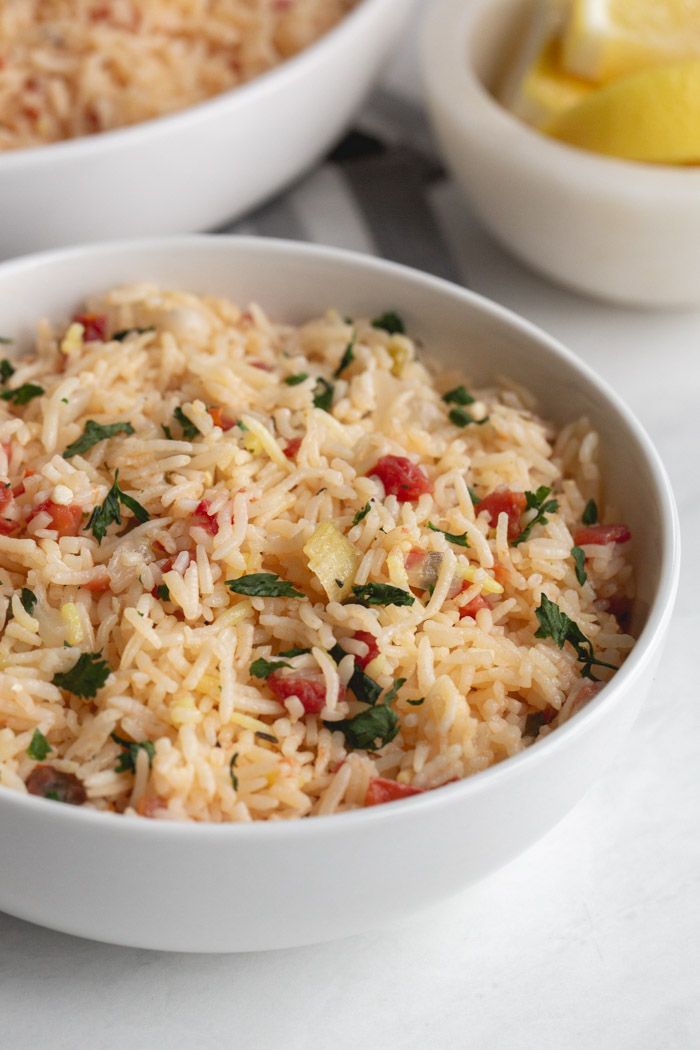
Delightful Basmati Rice Recipe: A Fragrant Culinary Experience

basmati rice recipe

The Perfect Basmati Rice Recipe: A Taste of Fragrant Delight

Basmati rice, known for its long grains and distinctive aroma, is a staple in many cuisines around the world. Its delicate flavour and fluffy texture make it a versatile ingredient that can elevate any dish. Here, we present a simple yet delicious basmati rice recipe that will surely tantalise your taste buds.

Ingredients:

  • 1 cup basmati rice
  • 2 cups water
  • Salt to taste
  • 1 tablespoon ghee or butter

Instructions:

  1. Rinse the basmati rice under cold water until the water runs clear to remove excess starch.
  2. In a saucepan, bring 2 cups of water to a boil.
  3. Add the rinsed rice and salt to the boiling water. Stir gently.
  4. Cover the saucepan with a tight-fitting lid, reduce the heat to low, and simmer for 15-20 minutes or until the rice is tender and all the water is absorbed.
  5. Remove the saucepan from heat and let it sit, covered, for an additional 5 minutes to allow the rice to steam.
  6. Fluff the rice with a fork and stir in ghee or butter for added richness.

This fragrant basmati rice pairs perfectly with curries, grilled meats, or vegetable stir-fries. Its light and airy texture will complement any dish, adding a touch of elegance to your meal. Enjoy this simple yet exquisite basmati rice recipe as a delightful addition to your culinary repertoire.

Bon appétit!


Five Reasons to Choose Basmati Rice for Your Next Meal

  1. Basmati rice has a distinct and pleasant aroma that enhances the overall dining experience.
  2. The long grains of basmati rice give it an elegant appearance when served, making it visually appealing.
  3. Basmati rice is versatile and can be paired with a wide variety of dishes, from curries to grilled meats.
  4. Cooking basmati rice is relatively easy and quick, making it a convenient choice for busy individuals.
  5. The fluffy texture of basmati rice adds a lightness to meals, making them more enjoyable and satisfying.


Considerations When Cooking Basmati Rice: Five Potential Drawbacks

  1. Requires rinsing before cooking to remove excess starch.
  2. May take longer to cook compared to other types of rice.
  3. Can be more expensive than regular white rice varieties.
  4. Not ideal for dishes that require sticky or glutinous rice texture.
  5. The delicate flavour of basmati rice may be overpowered by strong spices or sauces.

Basmati rice has a distinct and pleasant aroma that enhances the overall dining experience.

The distinct and pleasant aroma of basmati rice is a delightful pro that significantly enhances the overall dining experience. As the fragrant steam rises from the cooked grains, it tantalises the senses and creates an inviting atmosphere at the dining table. The aromatic essence of basmati rice not only adds depth to the dish but also evokes a sense of comfort and satisfaction, making every bite a truly memorable and enjoyable moment.

The long grains of basmati rice give it an elegant appearance when served, making it visually appealing.

The elongated grains of basmati rice not only contribute to its distinct aroma and fluffy texture but also enhance its visual appeal when presented on a plate. The slender, slender grains create a striking and elegant appearance that adds a touch of sophistication to any dish. Whether served as a side or as the main component of a meal, the graceful presence of basmati rice elevates the dining experience, making it not just a culinary delight but also a feast for the eyes.

Basmati rice is versatile and can be paired with a wide variety of dishes, from curries to grilled meats.

Basmati rice stands out as a versatile ingredient that effortlessly complements a diverse array of dishes. Its subtle flavour and fluffy texture make it an ideal accompaniment to a spectrum of culinary creations, ranging from aromatic curries to succulent grilled meats. Whether serving as a simple side dish or forming the foundation of a complex meal, basmati rice’s adaptability ensures that it can enhance the flavours and textures of a wide range of cuisines, making it a beloved choice for both home cooks and professional chefs alike.

Cooking basmati rice is relatively easy and quick, making it a convenient choice for busy individuals.

Cooking basmati rice is a pro due to its relative ease and speed, making it a convenient choice for busy individuals. With simple steps and a short cooking time, preparing basmati rice fits seamlessly into hectic schedules, allowing for a delicious and satisfying meal without the need for extensive preparation. Its versatility and quick cooking process make basmati rice a go-to option for those seeking a convenient yet flavourful addition to their meals, catering to the demands of modern-day lifestyles.

The fluffy texture of basmati rice adds a lightness to meals, making them more enjoyable and satisfying.

The fluffy texture of basmati rice brings a delightful lightness to meals, enhancing the overall dining experience and imparting a sense of satisfaction. With each forkful of perfectly cooked basmati rice, the meal becomes more enjoyable as the grains effortlessly complement the flavours of accompanying dishes. This unique quality of basmati rice elevates the dining experience, making it a favoured choice for those seeking a harmonious balance of taste and texture in their meals.

Requires rinsing before cooking to remove excess starch.

One potential downside of preparing basmati rice is the need to rinse it thoroughly before cooking to eliminate excess starch. This extra step may add a few minutes to the preparation process and can be perceived as an additional task for some cooks. However, despite this minor inconvenience, rinsing the basmati rice is essential for achieving the desired fluffy texture and distinct flavour that this type of rice is known for. The effort put into rinsing the rice pays off in the end result, ensuring a delicious and aromatic dish that is well worth the initial preparation time.

May take longer to cook compared to other types of rice.

When preparing basmati rice, one potential drawback to consider is that it may take longer to cook in comparison to other types of rice. Due to its long grains and unique texture, basmati rice requires a slightly longer cooking time to achieve the desired fluffy consistency. While this extra time may test your patience, the end result of perfectly cooked basmati rice with its distinct aroma and delicate flavour makes the wait worthwhile. Embracing this con as part of the cooking process can lead to a rewarding culinary experience that showcases the essence of this beloved rice variety.

Can be more expensive than regular white rice varieties.

While basmati rice is renowned for its exceptional quality and aromatic flavour, one potential drawback is that it can be more expensive than regular white rice varieties. The higher cost of basmati rice is often attributed to its premium quality, long grains, and unique fragrance. Despite the price difference, many enthusiasts consider the superior taste and texture of basmati rice well worth the investment. Its versatility in various dishes and ability to enhance the overall dining experience make it a desirable choice for those looking to elevate their culinary creations.

Not ideal for dishes that require sticky or glutinous rice texture.

While basmati rice is renowned for its fluffy and separate grains, it may not be the best choice for dishes that call for a sticky or glutinous rice texture. This characteristic of basmati rice, which sets it apart in terms of its light and airy quality, may not lend itself well to recipes where a stickier consistency is desired. Dishes such as sushi or certain traditional Asian desserts that rely on a sticky rice texture may benefit more from using specific varieties of rice better suited to achieving that desired stickiness.

The delicate flavour of basmati rice may be overpowered by strong spices or sauces.

When preparing a basmati rice dish, one potential downside to be mindful of is that the delicate flavour of the rice can easily be overshadowed by the presence of strong spices or sauces. While basmati rice is known for its subtle aroma and taste, robust seasonings or overpowering sauces may mask its natural essence, resulting in a less nuanced culinary experience. To fully appreciate the fragrant delight of basmati rice, it is advisable to pair it with milder flavours that complement rather than overpower its inherent qualities, allowing the rice to shine through and be enjoyed to its fullest potential.