Meal Prep Ideas: Simple Recipes and Tips for a Stress-Free Week
Meal Prep Ideas: Simple Ways to Make the Week Easier
Meal prep can save time, reduce weekday stress and make it easier to enjoy balanced meals at home. It does not have to mean cooking every meal for the week in one afternoon. A little planning and a few versatile ingredients can make a big difference.
Start with a simple plan
Before shopping, choose a handful of meals and check what is already in the fridge, freezer and cupboards. Pick recipes that share ingredients, so there is less waste. For example, roasted vegetables can be served with grains one day, added to a salad the next and tucked into a wrap for lunch.
A useful starting point is to prepare one protein, one or two carbohydrates, a selection of vegetables and a sauce or dressing. These can be mixed and matched throughout the week.
Easy meal prep ideas
Build-your-own grain bowls
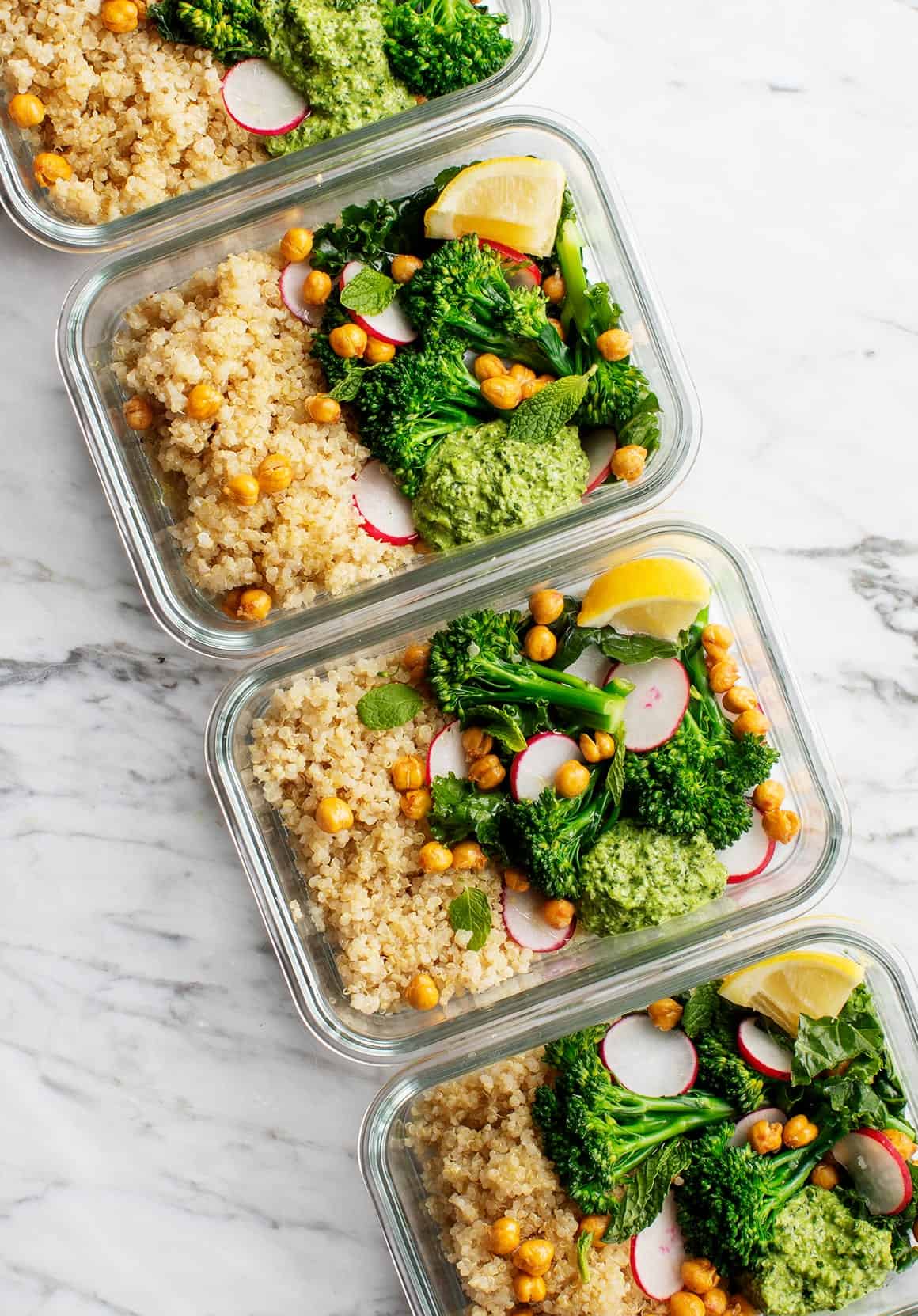
Cook a batch of rice, quinoa, couscous or another favourite grain. Add roasted vegetables, chickpeas, tofu, chicken or boiled eggs, then finish with a dressing. Keep the dressing separate until serving to help the ingredients stay fresh.
Overnight oats
Combine oats with milk or a plant-based alternative and leave them in the fridge overnight. In the morning, add fruit, yoghurt, nuts or seeds. Try apple and cinnamon, banana and peanut butter, or berries with a spoonful of yoghurt.
Soup for lunches
Make a large pot of vegetable, lentil or bean soup and portion it into containers. Soup freezes well, making it a useful option for days when there is no time to cook. Add bread, a side salad or a little grated cheese when serving.
Tray-bake components
Roast a mixture of vegetables, such as peppers, courgettes, onions and carrots, alongside seasoned chicken, tofu or chickpeas. Use the ingredients in wraps, salads or bowls, or serve them with potatoes for a simple evening meal.
Ready-to-go snack boxes
Prepare a few snack portions with options such as fruit, chopped vegetables, hummus, cheese, yoghurt or a small handful of nuts. Having snacks ready can make busy days easier and help avoid last-minute choices.
Freezer-friendly breakfasts
Make a batch of breakfast muffins, savoury egg muffins or pancakes and freeze them in individual portions. Defrost in the fridge or reheat according to the recipe, for a quick breakfast on a busy morning.
Make ingredients work harder
Choose ingredients that can be used in more than one dish. A roast chicken, for example, can provide a main meal, sandwich filling and soup ingredient. A tin of beans can be added to salads, stews or wraps. A simple dressing made with olive oil, lemon juice and seasoning can bring several meals together.
Keep some flexible staples on hand, including tinned tomatoes, pulses, frozen vegetables, eggs, pasta and rice. They can turn prepared ingredients into a meal when plans change.
Store food safely
Allow cooked food to cool before storing it, and refrigerate it promptly in clean, covered containers. Keep the fridge at 5°C or below and follow any storage guidance in the recipe or on the packaging. Eat refrigerated leftovers within a few days, or freeze portions if they will not be used in time. Defrost food safely in the fridge and reheat it until steaming hot throughout.
Keep it realistic
The most effective meal-prep routine is one that fits your schedule. Start by preparing just a couple of lunches or chopping vegetables for the next few days. Use shortcuts such as pre-washed salad, frozen vegetables and tinned beans when they make cooking easier.
With a small amount of planning, meal prep can make everyday cooking simpler without making the week feel repetitive. Prepare a few useful basics, store them safely and combine them in different ways to create meals that suit your taste and routine.
Meal Prep Mastery: 7 Benefits for a More Efficient and Enjoyable Week
- Saves time on busy weekdays.
- Makes balanced meals easier.
- Helps reduce food waste.
- Can lower takeaway spending.
- Makes portion planning simple.
- Offers more variety through the week.
- Keeps convenient meals ready to enjoy.
Challenges of Meal Prep: Time-Consuming, Repetitive, and Freshness Concerns
Saves time on busy weekdays.
Meal prep saves valuable time on busy weekdays by taking care of some of the cooking in advance. With ingredients washed, chopped or cooked and ready to use, meals can come together quickly after work or school, leaving more time for everything else.
Makes balanced meals easier.
Meal prep makes balanced meals easier by putting nourishing ingredients within easy reach when you’re hungry or short on time. Preparing components such as vegetables, wholegrains and protein in advance means you can quickly combine them into satisfying meals, rather than relying on whatever is most convenient. It also helps you include variety throughout the week and make choices that suit your tastes and needs.
Helps reduce food waste.
Meal prep can help reduce food waste by making it easier to plan meals around the ingredients you already have. When you shop with a menu in mind, you are less likely to buy items you will not use, while preparing ingredients in advance helps ensure they do not get forgotten at the back of the fridge. Leftovers can also be portioned for another meal, frozen for later or repurposed in soups, salads and wraps.
Can lower takeaway spending.
Meal prep can help lower takeaway spending by making convenient meals readily available at home. When lunch or dinner is already prepared, it may be easier to resist ordering food at the last minute. Planning meals and shopping with a list can also help avoid unnecessary purchases, while cooking larger portions lets you make several meals from the same ingredients.
Makes portion planning simple.
Meal prep makes portion planning simple by letting you divide meals and snacks into individual servings before the week begins. This makes it easier to choose portions that suit your appetite and routine, while helping you keep track of what you have prepared. Using containers can also make meals convenient to take to work or enjoy at home, and may reduce food waste by making leftovers easy to store and use.
Offers more variety through the week.
Meal prep can bring more variety to your meals throughout the week by making it easy to mix and match prepared ingredients. Cook a batch of grains, roast a selection of vegetables and prepare a few different proteins or sauces, then combine them in new ways for lunches and dinners. A little planning also gives you the chance to try recipes and flavours you might otherwise skip on busy days, helping keep meals interesting without adding much extra effort.
Keeps convenient meals ready to enjoy.
Meal prep keeps convenient meals ready to enjoy, even on the busiest days. With portions prepared in advance, there is less need to cook from scratch or decide what to eat at the last minute. Simply reheat a meal or combine pre-prepared ingredients for a quick, satisfying option.
Meal prep takes time upfront.
One drawback of meal prep is the time it takes upfront. Planning meals, shopping for ingredients and cooking several portions can take a few hours, which may feel like a lot of effort on a busy day. However, preparing a few basics at a time—rather than cooking every meal for the week—can make the process more manageable.
Meals may feel repetitive.
One drawback of meal prep is that meals can start to feel repetitive, especially when the same ingredients or recipes appear several days in a row. Preparing a large batch of one dish may be convenient, but it can become less appealing by midweek. To add variety, use versatile ingredients in different ways, change the sauces and seasonings, or prepare a few smaller dishes rather than one large batch.
Some ingredients lose freshness quickly.
Some ingredients lose their freshness quickly, which can make meal prep less appealing by the end of the week. Salad leaves, chopped fruit, fresh herbs and other delicate produce may wilt, soften or lose flavour after a few days in the fridge. To reduce waste, prepare these ingredients closer to when you plan to eat them, store them separately where possible, and use more durable vegetables in meals intended for later in the week.