Armenia’s Historical Monuments: A Journey Through the Past

Armenia’s Historical Monuments: Stone Witnesses to a Remarkable Past

Armenia’s history can be read in its landscapes. Across the country, ancient temples, medieval monasteries, churches and fortresses stand among mountains and valleys, reflecting centuries of faith, creativity and change. Built from local stone and shaped by distinctive architectural traditions, these monuments are more than reminders of the past: many remain places of worship, learning and community life today.

Garni: A Temple from the Ancient World

Near Yerevan, the Temple of Garni rises above the Azat River gorge. Its classical columns make it unlike Armenia’s familiar medieval churches, and it is widely recognised as the only surviving Greco-Roman colonnaded temple in the country. The temple is generally dated to the first century AD and is thought to have been dedicated to a pre-Christian deity. Its setting, with steep cliffs and sweeping views, makes the site especially striking.

Geghard: A Monastery Carved into the Rock

Not far from Garni stands the monastery of Geghard, a UNESCO World Heritage Site set within a dramatic mountain gorge. Parts of the complex are carved directly into the surrounding rock, creating chapels and chambers with a quiet, enclosed atmosphere. The monastery’s name is traditionally associated with the Holy Lance, a relic said to have been kept there. Geghard’s buildings and setting show how closely Armenian religious architecture is connected to the natural landscape.

Etchmiadzin and Zvartnots: Early Christian Heritage

Armenia adopted Christianity as its state religion in the early fourth century, and its churches preserve some of the most important evidence of this early Christian history. Etchmiadzin Cathedral, in the city of Vagharshapat, is traditionally regarded as the oldest cathedral in the world. It remains a major spiritual centre for the Armenian Apostolic Church.

Nearby are the remains of Zvartnots Cathedral, built in the seventh century. Though the building was destroyed by an earthquake several centuries later, its circular ruins reveal the ambition of its original design. Together, Etchmiadzin and Zvartnots help tell the story of Armenia’s early Christian architecture and its influence on later generations.

Haghpat and Sanahin: Monasteries of Learning

In northern Armenia, the monasteries of Haghpat and Sanahin overlook the Debed River valley. Both were founded in the tenth century and are recognised by UNESCO for their architectural and cultural importance. Their churches, libraries, bell towers and khachkars reflect a period when monasteries served not only as religious centres but also as places of scholarship, manuscript production and education.

The khachkar, or carved stone cross, is one of Armenia’s most distinctive forms of memorial art. These finely worked stones can be found across the country, often in monastery courtyards and historic cemeteries. Each design is different, combining crosses with intricate patterns of leaves, rosettes and interlacing lines.

Noravank and Tatev: Monuments in the Mountains

Noravank Monastery is known for its warm-toned stone buildings and its location among the red cliffs of Vayots Dzor. The complex includes the Church of the Holy Mother of God, whose narrow external staircase has become one of Armenia’s most recognisable architectural features. The monastery was also an important centre of learning and the arts in the medieval period.

Further south, Tatev Monastery stands on a plateau above the Vorotan Gorge. Founded in the ninth century, it once served as a religious and educational centre. The vast gorge and surrounding mountains make Tatev’s setting as memorable as its architecture. The monastery is also a reminder of the ingenuity required to build and sustain communities in Armenia’s rugged terrain.

Preserving the Past

Armenia’s historical monuments have endured earthquakes, conflict, changing borders and the passage of time. Their preservation depends on careful restoration, responsible tourism and respect for their religious and cultural significance. Visitors can help by following local guidance, treating sacred spaces with care and avoiding damage to ancient stonework.

From Garni’s classical columns to the rock-cut chambers of Geghard, Armenia’s monuments reveal a rich and varied past. Each site offers a different perspective on the country’s history, while together they form an extraordinary cultural landscape—one that continues to inspire those who encounter it.


Celebrating Historical Monuments: Preserving Heritage and Inspiring Discovery

  1. Preserve history for future generations.
  2. Showcase remarkable architecture and craftsmanship.
  3. Help us understand past cultures and beliefs.
  4. Attract visitors and support local communities.
  5. Create a strong sense of place and identity.
  6. Inspire learning, curiosity and discovery.


Challenges Facing Historical Monuments: Maintenance Costs, Tourism Impact, and Accessibility Issues

  1. They can be costly to maintain.
  2. Tourism may cause overcrowding and damage.
  3. Access can be difficult for some visitors.

Preserve history for future generations.

Historical monuments preserve the stories, achievements and traditions of earlier generations, giving future generations a tangible link to the past. By protecting these places, we help people learn how communities lived, what they valued and how societies changed over time. Their lasting presence keeps history visible and meaningful, allowing it to be explored and passed on for years to come.

Showcase remarkable architecture and craftsmanship.

Historical monuments showcase remarkable architecture and craftsmanship, revealing the skill, creativity and vision of the people who built them. From finely carved stonework and intricate decorative details to ingenious structural designs, each feature offers a glimpse into the techniques and artistic traditions of its time. Preserving these monuments allows future generations to appreciate this expertise and understand how architecture reflects a society’s culture and history.

Help us understand past cultures and beliefs.

Historical monuments offer a window into the cultures and beliefs of people who lived before us. Their architecture, carvings, inscriptions and decorations reveal what communities valued, how they worshipped and how they organised daily life. By studying these places, we can better understand the ideas and traditions that shaped the past—and how they continue to influence the world today.

Attract visitors and support local communities.

Historical monuments attract visitors who come to explore their architecture, stories and cultural significance. This interest can support local communities by creating opportunities for guides, cafés, accommodation providers, craftspeople and other small businesses. When tourism is managed responsibly, it can also encourage investment in local services and help fund the care and preservation of these important sites.

Create a strong sense of place and identity.

Historical monuments create a strong sense of place and identity by connecting people with the stories, traditions and events that have shaped their community. Recognisable landmarks can become symbols of a town or region, fostering shared pride and belonging. They also give visitors a glimpse of what makes a place distinctive, helping its history remain part of everyday life.

Inspire learning, curiosity and discovery.

Historical monuments inspire learning, curiosity and discovery by bringing the past to life. Exploring an ancient temple, church or fortress encourages visitors to ask how it was built, who used it and what life was like at the time. In Armenia, monuments such as Garni and Geghard offer a vivid introduction to the country’s history, architecture and traditions, turning a visit into an opportunity to learn beyond the pages of a book.

They can be costly to maintain.

Historical monuments can be costly to maintain, as their age and delicate materials often require specialist repairs, skilled craftspeople and regular conservation work. Weather, pollution and heavy visitor numbers can accelerate deterioration, while restoration must be carried out carefully to preserve each site’s original character. These expenses can place a significant burden on public funds and local communities.

Tourism may cause overcrowding and damage.

Tourism can bring welcome attention and income to historical monuments, but large numbers of visitors may also cause overcrowding and physical damage. Constant foot traffic can wear down floors and pathways, while touching fragile surfaces, leaving litter or ignoring access rules can harm historic features. Crowds may also disrupt worship and make it harder for visitors to appreciate a site. Careful visitor management and responsible behaviour help protect these irreplaceable places for future generations.

Access can be difficult for some visitors.

Access to historical monuments can be difficult for some visitors. Many are located in remote areas, reached by uneven paths, steep steps or long walks, while historic buildings may lack ramps, lifts and accessible facilities. These challenges can make visits especially demanding for people with limited mobility, families with young children and older visitors. Planning ahead and checking access information can help, but improvements are often needed to make these important places welcoming to everyone.
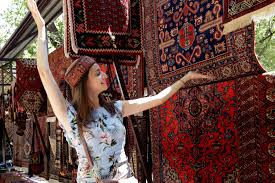
Exploring the Enchanting Realm of Armenian Culture

armenian culture

The Rich Tapestry of Armenian Culture

Armenia, a land steeped in history and tradition, boasts a vibrant and diverse culture that has captivated people around the world. From its ancient roots to its modern expressions, Armenian culture is a tapestry woven with unique customs, art forms, and beliefs.

History and Heritage

Armenian culture is deeply influenced by its rich history, dating back thousands of years. The country’s strategic location at the crossroads of Europe and Asia has exposed it to various cultural influences, resulting in a unique blend of traditions. From the majestic churches and monasteries dotting the landscape to the intricate carvings on khachkars (cross-stones), Armenia’s heritage is proudly showcased through its architectural marvels.

Cuisine and Hospitality

No exploration of Armenian culture is complete without delving into its delectable cuisine. Known for its flavourful dishes such as dolma (stuffed grape leaves), khorovats (barbecue), and lavash (flatbread), Armenian food reflects the country’s agricultural abundance and culinary creativity. Hospitality plays a central role in Armenian culture, with guests often being welcomed with open arms and treated to an array of traditional delicacies.

Arts and Crafts

The artistic spirit runs deep in Armenia, with a long-standing tradition of craftsmanship evident in various art forms. From intricate embroidery to colourful ceramics, Armenian artisans have mastered techniques that have been passed down through generations. Music also holds a special place in Armenian culture, with soul-stirring melodies of duduk (woodwind instrument) resonating through ancient valleys.

Festivals and Celebrations

Throughout the year, Armenians come together to celebrate a myriad of festivals that are steeped in tradition and symbolism. Whether it’s the joyous festivities of Vardavar or the solemn observance of Easter, these events serve as an opportunity for communities to bond over shared customs and beliefs.

Preservation and Innovation

While preserving age-old traditions remains paramount in Armenian culture, there is also a spirit of innovation that drives creative expression. Contemporary artists, musicians, and designers are reimagining traditional motifs in modern contexts, bridging the gap between past and present.

In conclusion, Armenian culture stands as a testament to resilience, creativity, and unity. It continues to inspire awe and admiration among those who seek to unravel its mysteries and immerse themselves in its timeless beauty.


Celebrating the Rich Tapestry of Armenian Culture: Heritage, Hospitality, and Harmony

  1. Rich historical heritage dating back thousands of years.
  2. Vibrant and diverse culinary traditions featuring unique flavours and dishes.
  3. Hospitality that is warm, welcoming, and deeply ingrained in societal norms.
  4. Artistic excellence showcased through intricate crafts like embroidery and ceramics.
  5. Musical heritage highlighted by the hauntingly beautiful sounds of the duduk.
  6. Festivals and celebrations that bring communities together in joyous unity.
  7. A culture that seamlessly blends tradition with innovation, embracing both past and present.


Exploring Challenges in Armenian Culture: Gender Roles, Family Dynamics, and Modernisation

  1. Limited gender equality in traditional societal roles.
  2. Strict adherence to hierarchical family structures may limit individual autonomy.
  3. Historical conflicts and geopolitical tensions have influenced cultural narratives.
  4. Challenges in preserving endangered dialects and languages within the culture.
  5. Economic disparities impacting access to cultural resources and opportunities.
  6. Resistance to change or modernization in certain aspects of cultural practices.

Rich historical heritage dating back thousands of years.

Armenian culture boasts a remarkable pro in its rich historical heritage that traces back thousands of years. This deep-rooted history serves as a testament to the resilience and endurance of the Armenian people through various periods of prosperity and adversity. From ancient civilizations to medieval kingdoms, Armenia’s historical legacy is a treasure trove of knowledge, traditions, and customs that continue to shape the country’s identity and influence its modern cultural landscape.

Vibrant and diverse culinary traditions featuring unique flavours and dishes.

Armenian culture shines brightly through its vibrant and diverse culinary traditions, showcasing a delightful array of unique flavours and dishes. From the succulent khorovats (barbecue) to the aromatic dolma (stuffed grape leaves) and the comforting lavash (flatbread), Armenian cuisine is a true reflection of the country’s rich history and agricultural abundance. Each dish tells a story, blending traditional ingredients with innovative techniques to create a culinary experience that is both distinctive and unforgettable. The fusion of bold spices, fresh herbs, and hearty ingredients embodies the essence of Armenian culture, inviting food enthusiasts to savour a taste of tradition unlike any other.

Hospitality that is warm, welcoming, and deeply ingrained in societal norms.

Armenian culture is renowned for its exceptional hospitality, a cherished pro that is characterised by warmth, openness, and a deep-rooted presence in societal norms. The tradition of welcoming guests with genuine warmth and generosity is ingrained in the fabric of Armenian society, reflecting a profound respect for visitors and a strong sense of community. Whether it’s inviting guests into their homes for a meal or offering a helping hand to strangers in need, Armenians exemplify the true essence of hospitality, creating lasting bonds and fostering a sense of belonging for all who cross their path.

Artistic excellence showcased through intricate crafts like embroidery and ceramics.

Armenian culture shines brightly through its artistic excellence, exemplified by the intricate crafts of embroidery and ceramics. Skilled artisans meticulously weave stories and traditions into every stitch of embroidered fabric, creating masterpieces that are both visually captivating and culturally significant. Similarly, the art of ceramic-making in Armenia showcases a harmonious blend of creativity and craftsmanship, with each piece reflecting a deep-rooted connection to the country’s heritage. Through these exquisite forms of expression, Armenian culture not only preserves its rich artistic traditions but also invites admiration for its unparalleled dedication to craftsmanship.

Musical heritage highlighted by the hauntingly beautiful sounds of the duduk.

Armenian culture boasts a captivating musical heritage, with one of its standout features being the hauntingly beautiful sounds of the duduk. This ancient woodwind instrument, traditionally crafted from apricot wood, produces soul-stirring melodies that evoke a sense of melancholy and nostalgia. The duduk’s unique timbre and emotive qualities have made it a symbol of Armenian music, transcending borders to touch the hearts of listeners worldwide. Its ethereal notes resonate through valleys and ancient landscapes, carrying with them the rich history and profound emotions embedded in Armenian culture.

Festivals and celebrations that bring communities together in joyous unity.

One of the most enchanting aspects of Armenian culture is the array of festivals and celebrations that serve as vibrant threads weaving communities together in joyous unity. These festive occasions, steeped in tradition and symbolism, not only offer a time for merriment and revelry but also create a strong sense of togetherness among people. Whether it’s the colourful dances of Navasard or the jubilant gatherings during New Year celebrations, these events provide a platform for individuals to connect, share in collective happiness, and strengthen the bonds that tie them to their cultural roots.

A culture that seamlessly blends tradition with innovation, embracing both past and present.

Armenian culture shines as a beacon of tradition and innovation harmoniously intertwined, where the reverence for heritage coexists with a forward-thinking spirit. This unique quality allows Armenia to embrace its rich past while embracing the opportunities of the present, creating a dynamic cultural landscape that honours its roots while fostering creativity and progress.

Limited gender equality in traditional societal roles.

In traditional Armenian culture, a notable con lies in the limited gender equality within societal roles. Deep-rooted norms and expectations often assign specific roles and responsibilities based on gender, creating barriers for individuals to break free from traditional stereotypes. Women, in particular, may face challenges in achieving equal opportunities and recognition in various spheres of society. This imbalance restricts the full potential of both men and women, hindering progress towards a more inclusive and egalitarian society where all individuals can thrive regardless of gender. Efforts towards promoting gender equality and challenging outdated norms are crucial steps towards fostering a more equitable and progressive Armenian society.

Strict adherence to hierarchical family structures may limit individual autonomy.

In Armenian culture, a con that is often observed is the strict adherence to hierarchical family structures, which can potentially limit individual autonomy. The emphasis on respect for elders and the authority of family elders may sometimes restrict the freedom of younger generations to make independent decisions or pursue personal aspirations. This traditional framework, while rooted in values of family unity and collective welfare, can create challenges for individuals seeking to assert their own identity and exercise autonomy in a society where familial bonds hold significant importance. Striking a balance between upholding cultural traditions and fostering individual empowerment remains a delicate yet essential aspect of navigating the complexities of Armenian familial dynamics.

Historical conflicts and geopolitical tensions have influenced cultural narratives.

Historical conflicts and geopolitical tensions have undeniably left their mark on Armenian culture, shaping its narratives in profound ways. The legacy of past struggles and territorial disputes has woven a complex tapestry of stories and perspectives that reflect the enduring impact of these challenges. These historical wounds have not only influenced art, literature, and music but have also embedded themselves in the collective memory of the Armenian people, adding layers of depth and nuance to their cultural identity. Despite the shadows cast by these conflicts, Armenians have shown resilience in preserving their heritage and using their cultural narratives as a means of both remembrance and resilience in the face of adversity.

Challenges in preserving endangered dialects and languages within the culture.

Preserving endangered dialects and languages within Armenian culture poses a significant challenge in today’s rapidly changing world. As globalisation and modernisation take hold, younger generations are often drawn towards more widely spoken languages, leading to a decline in the usage of traditional Armenian dialects. Efforts to safeguard these linguistic treasures require a concerted push to raise awareness, provide educational resources, and create opportunities for intergenerational language transmission. The loss of these unique dialects not only erodes cultural diversity but also diminishes a vital link to Armenia’s past and the stories embedded within its linguistic heritage. It is imperative for communities and institutions to work together in preserving and revitalising these endangered languages to ensure their survival for future generations.

Economic disparities impacting access to cultural resources and opportunities.

In Armenian culture, one significant challenge lies in the economic disparities that hinder equal access to cultural resources and opportunities. The divide between socio-economic classes can limit individuals’ ability to engage fully in cultural activities, such as attending performances, visiting museums, or participating in traditional events. This disparity not only restricts the enrichment of those from lower-income backgrounds but also hampers the overall diversity and inclusivity of Armenian cultural experiences. Efforts to address these economic barriers are crucial to ensuring that all members of society can partake in and contribute to the preservation and evolution of Armenia’s rich cultural heritage.

Resistance to change or modernization in certain aspects of cultural practices.

In certain aspects of Armenian culture, a notable con is the resistance to change or modernization in traditional cultural practices. While the preservation of heritage is crucial for maintaining identity and continuity, the reluctance to adapt to evolving societal norms and technologies can hinder progress and innovation. This resistance may lead to a disconnect between older generations who uphold longstanding customs and younger individuals seeking to embrace contemporary lifestyles. Finding a balance between honouring the past and embracing the future is essential for ensuring the vitality and relevance of Armenian culture in an ever-changing world.