Exploring Authentic Armenian Cuisine: Delectable Recipes to Try
armenian cuisine recipes

The Delights of Armenian Cuisine: Authentic Recipes to Try

Armenian cuisine is a treasure trove of flavours, combining influences from the Mediterranean, Middle East, and Eastern Europe. From hearty stews to delicate pastries, Armenian dishes are a celebration of fresh ingredients and time-honoured traditions. Here are some authentic recipes for you to recreate the magic of Armenian cooking in your own kitchen:

Dolma

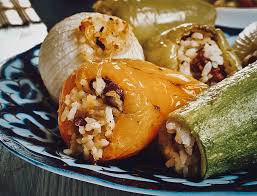
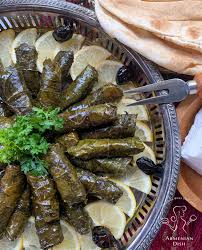
A beloved dish in Armenian households, dolma consists of grape leaves stuffed with a mixture of rice, minced meat, onions, and aromatic herbs. The rolls are then gently simmered in a tangy tomato sauce until tender. Serve with a dollop of creamy yogurt for a truly satisfying meal.

Lavash

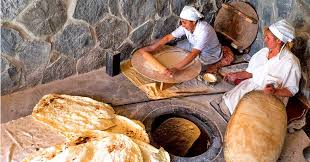
Lavash is a thin and soft flatbread that holds a special place in Armenian cuisine. Made with just flour, water, and salt, this versatile bread is perfect for wrapping kebabs, scooping up dips like hummus or muhammara, or simply enjoyed on its own as a snack.

Harissa

Harissa is a comforting wheat porridge cooked with chicken or lamb, seasoned with butter and warming spices like cinnamon and cumin. This hearty dish is often enjoyed during festive occasions and family gatherings, bringing warmth and comfort to all who savour it.

Pakhlava

Pakhlava is Armenia’s answer to baklava – layers of flaky pastry filled with nuts and sweetened with syrup or honey. The combination of crunchy nuts and sticky sweetness makes this dessert an irresistible treat that is sure to satisfy your sweet tooth.

Armenian cuisine is not just about food; it’s about sharing stories, creating memories, and celebrating life’s moments around the dining table. So why not bring the flavours of Armenia into your home with these authentic recipes? Explore the culinary heritage of Armenia and embark on a delicious journey that will delight your taste buds and nourish your soul.


Exploring Armenian Cuisine: Six Tips for Authentic Flavours and Dishes

  1. Experiment with traditional Armenian spices like paprika, cumin, and coriander for authentic flavour.
  2. Incorporate fresh herbs like parsley, mint, and dill to add a burst of freshness to your dishes.
  3. Don’t be afraid to use plenty of garlic in your recipes – it’s a staple ingredient in Armenian cuisine.
  4. Try making traditional dishes like dolma (stuffed grape leaves) or khorovats (grilled meat skewers) for an authentic taste of Armenia.
  5. Explore Armenian desserts like baklava and gata to satisfy your sweet tooth with unique flavours.
  6. Pair your Armenian dishes with local wines such as Areni for a complete culinary experience.

Experiment with traditional Armenian spices like paprika, cumin, and coriander for authentic flavour.

To truly capture the essence of Armenian cuisine, it is essential to experiment with traditional Armenian spices such as paprika, cumin, and coriander. These aromatic spices not only add depth and complexity to dishes but also infuse them with an authentic flavour that is characteristic of Armenian cooking. By incorporating these key ingredients into your recipes, you can elevate your culinary creations to new heights and experience the rich tapestry of flavours that define Armenian gastronomy.

Incorporate fresh herbs like parsley, mint, and dill to add a burst of freshness to your dishes.

To elevate the flavours of your Armenian cuisine recipes, consider incorporating an array of fresh herbs such as parsley, mint, and dill. These vibrant herbs not only infuse your dishes with a burst of freshness but also bring a delightful aromatic quality that enhances the overall taste experience. Whether sprinkled as a finishing touch or finely chopped for a more integrated flavour, the addition of these fragrant herbs can truly elevate your culinary creations to new heights.

Don’t be afraid to use plenty of garlic in your recipes – it’s a staple ingredient in Armenian cuisine.

In Armenian cuisine, don’t hesitate to incorporate generous amounts of garlic into your recipes. Renowned as a staple ingredient, garlic adds depth and richness to dishes, infusing them with its distinctive aroma and flavour. Embracing the boldness of garlic not only enhances the authenticity of Armenian cuisine but also elevates the overall taste experience, creating dishes that are robust and full of character. So go ahead, unleash the power of garlic in your cooking and savour the true essence of Armenian culinary traditions.

Try making traditional dishes like dolma (stuffed grape leaves) or khorovats (grilled meat skewers) for an authentic taste of Armenia.

For an authentic taste of Armenia, immerse yourself in the culinary delights of traditional dishes such as dolma (stuffed grape leaves) and khorovats (grilled meat skewers). These iconic Armenian recipes not only showcase the rich flavours and textures of the region but also offer a glimpse into the cultural heritage and traditions that have shaped Armenian cuisine over generations. Whether you’re hosting a gathering or simply craving a taste of something new, exploring these beloved dishes will transport your senses to the vibrant kitchens of Armenia.

Explore Armenian desserts like baklava and gata to satisfy your sweet tooth with unique flavours.

Indulge your sweet tooth with a taste of Armenia by exploring traditional desserts such as baklava and gata. These delectable treats offer a unique blend of flavours and textures that are sure to delight your palate. Baklava, with its layers of flaky pastry and nuts drenched in syrup, provides a symphony of sweetness and crunch. On the other hand, gata, a rich and buttery pastry filled with sweet filling, offers a comforting and satisfying experience. Don’t miss out on the opportunity to savour these Armenian delights that are steeped in history and culture.

Pair your Armenian dishes with local wines such as Areni for a complete culinary experience.

When indulging in Armenian cuisine recipes, enhance your dining experience by pairing your dishes with local wines like Areni. This exquisite wine, derived from the indigenous Areni grape variety cultivated in the Armenian highlands for centuries, complements the rich and diverse flavours of Armenian dishes perfectly. The fruity notes and subtle undertones of Areni add a delightful dimension to your meal, elevating it to a truly complete culinary experience that embodies the essence of Armenian gastronomy.
Exploring the Culinary Delights of Armenian Cuisine

armenian cuisine

The Rich Flavours of Armenian Cuisine

Armenian cuisine is a delightful fusion of flavours, traditions, and history that have been passed down through generations. Known for its rich and hearty dishes, Armenian food reflects the country’s diverse cultural influences and agricultural abundance.

One of the staples of Armenian cuisine is lavash, a thin and soft flatbread that is enjoyed with various dishes. Another popular dish is dolma, which consists of grape leaves stuffed with a mixture of rice, minced meat, and herbs. Khorovats, or Armenian barbecue, is a beloved favourite that features grilled meats marinated in a blend of spices.

Vegetables play a prominent role in Armenian cooking, with eggplant being a star ingredient in dishes like ajapsandali (vegetable stew) and badrijani (stuffed eggplant). Lentils and bulgur are commonly used in soups and salads, adding depth and nutrition to the cuisine.

No Armenian meal is complete without dessert. Pakhlava, a sweet pastry made with layers of nuts and honey, is a popular treat during special occasions. Gata, a sweet bread filled with sugar and nuts, is another indulgent delight that showcases the artistry of Armenian bakers.

Armenian cuisine not only delights the taste buds but also tells a story of resilience and creativity. The use of fresh ingredients, aromatic spices, and traditional cooking methods all contribute to the unique identity of Armenian food.

Whether you are savouring a comforting bowl of harissa (chicken and wheat porridge) or enjoying the tangy flavours of matnakash (sour yogurt soup), Armenian cuisine invites you to experience a true feast for the senses.


Exploring the Rich Tapestry of Armenian Cuisine: A Celebration of Flavour, Tradition, and Diversity

  1. Rich in flavour and aroma due to the use of fresh herbs and spices.
  2. Offers a variety of vegetarian dishes that are both nutritious and delicious.
  3. Showcases a blend of Middle Eastern, Mediterranean, and Caucasian culinary influences.
  4. Includes traditional bread like lavash, which is an essential part of every meal.
  5. Features hearty meat dishes such as khorovats (barbecue) that are grilled to perfection.
  6. Incorporates unique ingredients like pomegranate seeds, apricots, and walnuts for added texture and taste.
  7. Boasts a range of sweet desserts like baklava and gata that satisfy any sweet tooth.
  8. Reflects the agricultural abundance of Armenia with farm-fresh produce and dairy products.
  9. Celebrates seasonal festivals with special dishes that have been cherished for centuries.


Considerations of Armenian Cuisine: Hearty Portions, Preparation Time, Ingredient Accessibility, and Dietary Preferences

  1. Armenian cuisine can be quite heavy and calorie-dense, which may not suit those looking for lighter meal options.
  2. Some traditional Armenian dishes require intricate preparation techniques and long cooking times, making them time-consuming to prepare.
  3. Certain Armenian dishes contain ingredients that may be less familiar or accessible outside of Armenia, making it challenging to replicate the authentic flavours.
  4. The use of animal fats and oils in some Armenian recipes may not align with dietary preferences or restrictions of certain individuals.

Rich in flavour and aroma due to the use of fresh herbs and spices.

Armenian cuisine stands out for its exceptional richness in flavour and aroma, attributed to the meticulous use of fresh herbs and spices. The vibrant culinary tradition of Armenia incorporates a diverse array of aromatic herbs such as mint, parsley, coriander, and dill, enhancing the taste profile of dishes with their fragrant notes. Additionally, a harmonious blend of spices like cumin, paprika, cinnamon, and sumac infuse each recipe with depth and complexity, creating a sensory experience that is both captivating and unforgettable. The careful selection and expert combination of these fresh ingredients elevate Armenian cuisine to a level of culinary excellence that delights the palate and tantalizes the senses.

Offers a variety of vegetarian dishes that are both nutritious and delicious.

Armenian cuisine shines in its ability to cater to vegetarians with a diverse array of dishes that are not only nutritious but also bursting with delicious flavours. From hearty vegetable stews like ajapsandali to flavourful lentil soups and fresh salads, Armenian cuisine showcases the art of creating satisfying meat-free meals that appeal to both the palate and the health-conscious diner. With a focus on using fresh produce, aromatic herbs, and wholesome grains, Armenian vegetarian dishes offer a delightful culinary experience that celebrates the abundance of plant-based ingredients in a truly delectable way.

Showcases a blend of Middle Eastern, Mediterranean, and Caucasian culinary influences.

Armenian cuisine shines brightly as it beautifully showcases a harmonious blend of Middle Eastern, Mediterranean, and Caucasian culinary influences. This unique fusion of flavours and techniques creates a diverse and vibrant gastronomic experience that sets Armenian food apart. From the aromatic spices reminiscent of Middle Eastern dishes to the fresh seafood and olive oil typical of Mediterranean cuisine, and the hearty meats and dairy products characteristic of Caucasian fare, Armenian culinary traditions offer a delightful tapestry of tastes that cater to a wide range of palates.

Includes traditional bread like lavash, which is an essential part of every meal.

Armenian cuisine boasts a captivating pro with its inclusion of traditional bread like lavash, a staple that holds significant cultural importance and is considered an essential part of every meal. This thin and soft flatbread not only serves as a versatile accompaniment to various dishes but also symbolizes the deep-rooted traditions and heritage of Armenia. Its presence on the dining table signifies the warmth and hospitality that are integral to Armenian culinary customs, making every meal a wholesome experience enriched by the comforting presence of lavash.

Features hearty meat dishes such as khorovats (barbecue) that are grilled to perfection.

Armenian cuisine shines with its hearty meat dishes, exemplified by the mouth-watering khorovats, a type of barbecue that showcases the art of grilling to perfection. The tender and flavourful meats, marinated with a blend of aromatic spices, are expertly grilled to create a smoky and succulent dish that is a true delight for meat lovers. The tradition of khorovats not only highlights the culinary skills of Armenian cooks but also embodies the spirit of communal gatherings and celebrations where friends and family come together to savour these delicious grilled delicacies.

Incorporates unique ingredients like pomegranate seeds, apricots, and walnuts for added texture and taste.

Armenian cuisine stands out for its innovative use of distinctive ingredients such as pomegranate seeds, apricots, and walnuts, which elevate dishes with their unique textures and flavours. The sweet-tart burst of pomegranate seeds adds a refreshing contrast to savoury dishes, while apricots bring a subtle sweetness that enhances the overall taste profile. Walnuts, with their rich nuttiness and crunch, provide depth and complexity to various recipes. By incorporating these special ingredients, Armenian cuisine not only showcases creativity but also offers a truly unforgettable culinary experience.

Boasts a range of sweet desserts like baklava and gata that satisfy any sweet tooth.

Armenian cuisine boasts a delightful range of sweet desserts, such as baklava and gata, that are sure to satisfy any sweet tooth. Baklava, with its layers of flaky pastry, nuts, and honey, offers a perfect balance of crunchy texture and sweet indulgence. On the other hand, gata, a traditional Armenian sweet bread filled with sugar and nuts, showcases the country’s expertise in creating delectable treats. Whether you prefer the nutty richness of baklava or the comforting sweetness of gata, Armenian desserts are a true delight for those with a penchant for sugary delights.

Reflects the agricultural abundance of Armenia with farm-fresh produce and dairy products.

Armenian cuisine shines brightly in its reflection of the agricultural abundance of Armenia, boasting a wealth of farm-fresh produce and dairy products. From vibrant fruits and vegetables cultivated in fertile lands to creamy cheeses and yoghurts sourced from local dairy farms, Armenian dishes are a celebration of the bountiful harvests that grace the country’s landscapes. This emphasis on using high-quality, locally-sourced ingredients not only enhances the flavours of traditional Armenian recipes but also underscores the deep connection between the people and the land they call home.

Celebrates seasonal festivals with special dishes that have been cherished for centuries.

Armenian cuisine shines brightly in its tradition of celebrating seasonal festivals with special dishes that have been cherished for centuries. Each festival brings an array of unique culinary delights that reflect the bounty of the season and the cultural significance of the occasion. From Easter to New Year’s, Armenians gather around tables filled with dishes steeped in history and symbolism, creating a sense of connection to their heritage and community through the shared experience of enjoying these time-honoured recipes.

Armenian cuisine can be quite heavy and calorie-dense, which may not suit those looking for lighter meal options.

Armenian cuisine, while rich in flavour and tradition, is often characterised by its hearty and calorie-dense nature. This aspect of Armenian food may not be ideal for individuals seeking lighter meal options or watching their calorie intake. Dishes like khorovats (barbecue) and dolma (stuffed grape leaves) are delicious but can be quite filling and high in calories. For those with dietary preferences towards lighter fare, exploring lighter variations or smaller portions of Armenian dishes may be a more suitable approach to enjoy the diverse flavours of this cuisine without compromising on health goals.

Some traditional Armenian dishes require intricate preparation techniques and long cooking times, making them time-consuming to prepare.

Traditional Armenian cuisine, while rich in flavour and cultural significance, poses a challenge with its intricate preparation techniques and lengthy cooking times. The dedication and patience required to master these recipes can be daunting for modern-day cooks seeking quick and convenient meal options. From labor-intensive dishes like dolma to slow-cooked stews such as harissa, the time commitment involved in preparing authentic Armenian meals may deter individuals looking for more efficient culinary experiences. Despite this con, the reward of savouring a meticulously crafted Armenian dish often outweighs the time invested in its creation, offering a taste of tradition and history with every bite.

Certain Armenian dishes contain ingredients that may be less familiar or accessible outside of Armenia, making it challenging to replicate the authentic flavours.

In exploring Armenian cuisine, one notable challenge arises from the use of ingredients that may be less familiar or readily available outside of Armenia. The authenticity of certain Armenian dishes relies on specific components that contribute to their distinct flavours and textures. This can pose a hurdle for those seeking to replicate traditional recipes outside the country, as sourcing these unique ingredients may prove difficult. The essence of Armenian cuisine lies in its regional produce and culinary heritage, making it a rewarding yet sometimes challenging endeavour to recreate the true essence of these dishes beyond Armenia’s borders.

The use of animal fats and oils in some Armenian recipes may not align with dietary preferences or restrictions of certain individuals.

In Armenian cuisine, a potential drawback for some individuals lies in the use of animal fats and oils in certain recipes. This aspect may not align with the dietary preferences or restrictions of those following specific dietary guidelines or seeking to reduce their intake of animal products. While these ingredients contribute to the rich and indulgent flavours characteristic of Armenian dishes, individuals with dietary considerations may need to exercise caution or seek alternative options to fully enjoy the culinary delights of Armenian cuisine.

Unveiling the Charm of Authentic Armenian Experiences

authentic armenian experiences

The Charm of Authentic Armenian Experiences

Armenia, a land steeped in history and tradition, offers a myriad of authentic experiences that captivate the soul and ignite the senses. From its ancient monasteries perched on rugged cliffs to the bustling markets filled with vibrant colours and aromas, Armenia beckons travellers to immerse themselves in its rich tapestry of culture.

One of the most authentic experiences in Armenia is indulging in its culinary delights. The country’s cuisine is a reflection of its diverse heritage, blending flavours from the Middle East, Europe, and Asia. Savouring traditional dishes like khorovats (barbecue), dolma (stuffed grape leaves), and lavash (flatbread) not only tantalises the taste buds but also provides a glimpse into Armenia’s culinary legacy.

Exploring Armenia’s ancient monasteries is another profound experience that transports visitors back in time. The majestic Tatev Monastery, nestled amidst lush greenery and overlooking stunning gorges, exudes an aura of serenity and spirituality. Stepping inside these sacred sites allows one to connect with Armenia’s religious heritage and marvel at the architectural wonders crafted by skilled artisans centuries ago.

For those seeking a more immersive experience, staying in a traditional Armenian guesthouse offers a glimpse into local life and hospitality. From cosy rooms adorned with intricate carpets to hearty home-cooked meals prepared with love, these guesthouses provide a warm and welcoming environment that fosters genuine connections with the local community.

Moreover, participating in cultural festivals and celebrations allows visitors to witness Armenia’s vibrant traditions come to life. Whether dancing to traditional folk music at a village festival or observing intricate crafts being made at a local market, these events showcase the heart and soul of Armenia’s cultural heritage.

In essence, authentic Armenian experiences are not merely about sightseeing or sampling local cuisine – they are about immersing oneself in the essence of Armenia, connecting with its people, history, and traditions on a deeper level. Each experience unravels a new layer of this enchanting country, leaving an indelible mark on those who embrace it wholeheartedly.


Discover Authentic Armenian Experiences: A Journey Through Culture, Cuisine, and Community

  1. Immerse yourself in Armenia’s rich cultural heritage
  2. Savour the diverse and flavourful Armenian cuisine
  3. Explore ancient monasteries and historical landmarks
  4. Experience genuine hospitality in traditional guesthouses
  5. Participate in vibrant cultural festivals and events
  6. Create lasting memories by connecting with local communities


Challenges of Authentic Armenian Experiences: Navigating Language Barriers, Comfort Levels, and Cultural Nuances

  1. Limited availability of English-speaking guides may pose communication challenges for non-Armenian speakers.
  2. Some authentic Armenian experiences, such as rural village stays, may lack modern amenities and comforts.
  3. Traditional Armenian cuisine, while delicious, may not cater to all dietary preferences or restrictions.
  4. Exploring remote cultural sites and monasteries can involve long journeys on rough terrain, which may not be suitable for all travellers.
  5. Participating in local festivals and events may require flexibility in scheduling as dates and timings can sometimes change unexpectedly.
  6. Authentic Armenian experiences often involve interacting with locals who predominantly speak Armenian, leading to potential language barriers for tourists.
  7. Certain traditional activities or rituals may have cultural nuances that could be misunderstood by visitors unfamiliar with Armenian customs.

Immerse yourself in Armenia’s rich cultural heritage

Immersing yourself in Armenia’s rich cultural heritage through authentic experiences allows you to delve deep into the soul of this captivating country. From exploring ancient monasteries that whisper tales of centuries past to savouring traditional dishes that have been passed down through generations, each encounter offers a profound connection to Armenia’s vibrant history and traditions. By immersing yourself in Armenia’s cultural tapestry, you not only gain a deeper appreciation for its heritage but also forge meaningful memories that resonate long after your journey has ended.

Savour the diverse and flavourful Armenian cuisine

Indulging in the diverse and flavourful Armenian cuisine is a delightful pro of authentic Armenian experiences. From succulent khorovats (barbecue) to aromatic dolma (stuffed grape leaves) and freshly baked lavash (flatbread), Armenian culinary delights offer a tantalising journey for the taste buds. Each dish tells a story of the country’s rich heritage, blending unique flavours and ingredients that reflect Armenia’s cultural diversity. Savouring these traditional delicacies not only satisfies hunger but also provides a deeper connection to Armenia’s culinary traditions, making every meal a memorable and enriching experience.

Explore ancient monasteries and historical landmarks

Immerse yourself in the allure of authentic Armenian experiences by embarking on a journey to explore ancient monasteries and historical landmarks. From the awe-inspiring Tatev Monastery perched atop rugged cliffs to the majestic Geghard Monastery carved into the rock face, each site tells a story of Armenia’s rich cultural heritage and spiritual significance. By wandering through these hallowed grounds and marvelling at the intricate architecture that has withstood the test of time, you not only gain a deeper appreciation for Armenia’s past but also forge a profound connection with its enduring legacy.

Experience genuine hospitality in traditional guesthouses

Immerse yourself in the warmth of Armenian hospitality by staying in traditional guesthouses, where genuine connections and heartfelt welcomes await. These charming accommodations not only offer a comfortable retreat but also provide a unique opportunity to experience the heartfelt generosity and kindness of the local hosts. From cosy rooms adorned with traditional decor to homemade meals prepared with love and care, staying in a traditional Armenian guesthouse promises an authentic and enriching cultural experience that leaves a lasting impression on visitors.

Participate in vibrant cultural festivals and events

Immersing oneself in vibrant cultural festivals and events is a delightful pro of authentic Armenian experiences. These lively gatherings offer a unique opportunity to witness the rich tapestry of Armenian traditions come alive through music, dance, art, and culinary delights. From colourful folk performances that showcase centuries-old dances to artisanal markets brimming with handcrafted treasures, participating in these events provides a firsthand insight into the vibrant spirit and cultural heritage of Armenia. Engaging with locals during these festivities fosters connections and creates lasting memories that truly embody the essence of Armenian culture and hospitality.

Create lasting memories by connecting with local communities

Immersing oneself in authentic Armenian experiences offers a unique opportunity to create lasting memories by connecting with local communities. By engaging with the warm and hospitable people of Armenia, travellers can gain insights into their daily lives, traditions, and values. Whether sharing a meal with a local family, learning traditional crafts from skilled artisans, or participating in community celebrations, these interactions foster genuine connections that go beyond mere tourism. Through these meaningful exchanges, visitors not only enrich their own travel experiences but also contribute to the preservation and promotion of Armenia’s rich cultural heritage for generations to come.

Limited availability of English-speaking guides may pose communication challenges for non-Armenian speakers.

Travellers seeking authentic Armenian experiences may encounter a significant challenge due to the limited availability of English-speaking guides in the country. This language barrier can pose communication difficulties for non-Armenian speakers, hindering their ability to fully engage with and understand the rich cultural heritage and history that Armenia has to offer. Without proficient English-speaking guides, visitors may miss out on valuable insights and explanations that enhance their overall experience, highlighting the importance of addressing language barriers to ensure all travellers can fully appreciate the authenticity of Armenian encounters.

Some authentic Armenian experiences, such as rural village stays, may lack modern amenities and comforts.

While authentic Armenian experiences like rural village stays offer a unique insight into local life and traditions, they may come with the con of lacking modern amenities and comforts. Staying in remote villages often means foregoing luxuries such as air conditioning, Wi-Fi, or sophisticated bathroom facilities. However, this rustic charm also presents an opportunity for visitors to disconnect from the hustle and bustle of modern life and truly immerse themselves in the simplicity and authenticity of rural Armenian living. It’s a trade-off between convenience and cultural immersion, where the rewards of experiencing genuine hospitality and traditional way of life outweigh the temporary absence of modern comforts.

Traditional Armenian cuisine, while delicious, may not cater to all dietary preferences or restrictions.

Traditional Armenian cuisine, renowned for its rich flavours and hearty dishes, may present a challenge for individuals with specific dietary preferences or restrictions. The emphasis on meat, dairy, and bread in many traditional Armenian meals can pose difficulties for vegetarians, vegans, or those with gluten intolerance. While there are vegetarian and vegan options available in Armenian cuisine, they may not be as readily accessible or diverse compared to other culinary traditions. Navigating dietary restrictions while seeking authentic Armenian experiences may require careful consideration and communication to ensure a satisfying dining experience for all.

Exploring remote cultural sites and monasteries can involve long journeys on rough terrain, which may not be suitable for all travellers.

Embarking on a journey to explore remote cultural sites and monasteries in Armenia can present a significant challenge for some travellers due to the long distances and rough terrain involved. The rugged landscapes and winding roads leading to these hidden gems may not be suitable for individuals with mobility issues or those seeking a more leisurely travel experience. Navigating through remote areas can also test one’s endurance and patience, requiring a spirit of adventure and readiness to embrace the unexpected. While the allure of discovering off-the-beaten-path treasures is undeniable, it is essential for travellers to consider their physical capabilities and comfort levels before venturing into these remote corners of Armenia.

Participating in local festivals and events may require flexibility in scheduling as dates and timings can sometimes change unexpectedly.

Participating in local festivals and events in Armenia, while enriching and culturally immersive, may present a challenge in terms of scheduling. As dates and timings of these gatherings can occasionally shift unexpectedly, visitors are encouraged to maintain flexibility in their plans to fully embrace the spontaneity and vibrancy of Armenian celebrations. This unpredictability adds a sense of adventure to the experience, allowing participants to adapt and immerse themselves in the dynamic tapestry of Armenian culture as it unfolds before them.

Authentic Armenian experiences often involve interacting with locals who predominantly speak Armenian, leading to potential language barriers for tourists.

Truly immersing oneself in authentic Armenian experiences often comes with the challenge of navigating language barriers, as many locals primarily speak Armenian. While this can pose a hurdle for tourists seeking to engage meaningfully with the community, it also presents an opportunity for cultural exchange and learning. Overcoming these language barriers not only requires patience and creativity but also fosters a deeper connection with the local culture, encouraging visitors to embrace the richness of Armenia beyond linguistic differences. By bridging these communication gaps, travellers can unlock a world of authentic experiences that transcend words, relying instead on shared gestures, expressions, and a genuine spirit of curiosity and openness.

Certain traditional activities or rituals may have cultural nuances that could be misunderstood by visitors unfamiliar with Armenian customs.

Visitors engaging in authentic Armenian experiences may encounter challenges due to cultural nuances that are deeply ingrained in traditional activities or rituals. Without a thorough understanding of Armenian customs, some visitors may unintentionally misinterpret or misunderstand the significance of certain practices. This lack of awareness could lead to inadvertent disrespect or confusion, hindering the immersive nature of the experience and potentially creating a sense of disconnect between visitors and the local culture. It is essential for visitors to approach these traditions with an open mind, respect for cultural differences, and a willingness to learn and appreciate the nuances that make authentic Armenian experiences truly enriching.

Discovering the Authentic Charm of Armenia

authentic armenia

The Charm of Authentic Armenia

Armenia, a land steeped in history and tradition, offers a glimpse into a world where authenticity reigns supreme. From its ancient monasteries perched on rugged mountains to its vibrant markets teeming with local produce, Armenia captivates visitors with its unfiltered charm.

One of the hallmarks of authentic Armenian culture is its rich culinary heritage. Traditional dishes like dolma, khorovats (barbecue), and lavash bread are not just meals but reflections of centuries-old recipes passed down through generations. The use of fresh, locally sourced ingredients adds a depth of flavour that is unique to Armenian cuisine.

Exploring the streets of Yerevan, Armenia’s capital city, reveals a blend of old-world architecture and modern influences. The bustling markets offer an array of handmade crafts, intricate carpets, and aromatic spices that showcase the country’s artisanal skills and cultural pride.

Venturing beyond the urban centres, visitors are greeted by the breathtaking landscapes that define Armenia. The serene Lake Sevan, surrounded by lush greenery and ancient churches, provides a tranquil retreat from the hustle and bustle of city life. Meanwhile, the rocky terrain of Garni Gorge offers a glimpse into Armenia’s geological wonders.

But perhaps what truly sets authentic Armenia apart is its warm and welcoming people. Armenians take pride in their hospitality, treating guests as honoured friends and sharing their stories with genuine warmth. Whether enjoying a traditional dance performance or partaking in a local festival, visitors are embraced as part of the community.

In essence, authentic Armenia is more than just a destination – it is an immersive experience that touches all the senses and leaves a lasting impression on those who have the privilege to explore its depths. It is a place where history meets modernity, tradition meets innovation, and beauty meets soul.


Exploring Authentic Armenia: A Guide to Cuisine, Culture, and Traditions

  1. What are some traditional Armenian dishes that I must try?
  2. How can I experience authentic Armenian culture during my visit?
  3. What are the top historical sites to visit in Armenia for an authentic experience?
  4. Are there any unique festivals or events that showcase Armenian traditions?
  5. How can I support local artisans and craftsmen in Armenia?
  6. What are some tips for interacting with locals and immersing myself in Armenian daily life?

What are some traditional Armenian dishes that I must try?

When exploring the culinary landscape of authentic Armenia, there are several traditional dishes that you simply must try. From the delectable dolma, a dish of minced meat and rice wrapped in grape leaves, to the succulent khorovats (barbecue) that showcases the art of Armenian grilling, each bite offers a taste of centuries-old recipes steeped in tradition. Don’t miss out on lavash bread, a soft and thin flatbread that serves as a staple in Armenian cuisine. These dishes not only satisfy the palate but also provide a window into the rich cultural heritage and culinary expertise that define Armenian gastronomy.

How can I experience authentic Armenian culture during my visit?

To truly experience authentic Armenian culture during your visit, immerse yourself in the local way of life by exploring traditional markets, sampling authentic Armenian cuisine at local eateries, and engaging with the friendly locals. Visit historical sites such as ancient monasteries and archaeological landmarks to gain insights into Armenia’s rich history and heritage. Attend cultural events, festivals, and performances to witness traditional music and dance firsthand. Consider staying in locally-owned guesthouses or homestays to connect with Armenian families and learn about their customs and traditions. By embracing these experiences and engaging with the community, you can create lasting memories of genuine Armenian culture during your visit.

What are the top historical sites to visit in Armenia for an authentic experience?

When seeking an authentic experience in Armenia, exploring its top historical sites is a must. From the ancient monasteries of Geghard and Tatev to the majestic ruins of Zvartnots Cathedral and the historical significance of Echmiadzin Cathedral, each site offers a glimpse into Armenia’s rich cultural heritage and architectural prowess. These landmarks not only showcase the country’s deep-rooted history but also provide visitors with a profound sense of connection to Armenia’s past, making them essential destinations for those seeking an authentic and immersive experience in this captivating country.

Are there any unique festivals or events that showcase Armenian traditions?

Armenia boasts a rich tapestry of unique festivals and events that serve as vibrant showcases of its deep-rooted traditions. One such event is the Vardavar festival, a joyous celebration where people douse each other with water to commemorate the transfiguration of Jesus Christ. Another notable festival is the Areni Wine Festival, which honours Armenia’s ancient winemaking heritage with tastings, music, and traditional dances. These colourful and lively gatherings not only offer a glimpse into Armenian customs but also embody the spirit of community and cultural pride that define authentic Armenia.

How can I support local artisans and craftsmen in Armenia?

Supporting local artisans and craftsmen in Armenia is a wonderful way to contribute to the preservation of the country’s rich cultural heritage. One of the most direct ways to support these talented individuals is by purchasing their handmade products, such as traditional ceramics, intricate textiles, or unique jewellery. By buying directly from local artisans or visiting artisan markets, you not only acquire one-of-a-kind pieces but also help sustain their craft and livelihood. Additionally, spreading awareness about Armenian craftsmanship through social media, word-of-mouth recommendations, or participating in community events that promote local artisans can further support their work and ensure that these age-old traditions continue to thrive for generations to come.

What are some tips for interacting with locals and immersing myself in Armenian daily life?

When seeking to immerse oneself in Armenian daily life and connect with locals authentically, it is beneficial to approach interactions with a genuine curiosity and respect for the culture. Engaging in conversations with locals, whether at markets, cafes, or cultural events, can offer valuable insights into Armenian traditions and way of life. Learning a few basic Armenian phrases can also go a long way in bridging language barriers and showing appreciation for the local language. Participating in community activities, such as traditional celebrations or volunteering opportunities, can provide a deeper understanding of Armenian customs and values. Ultimately, being open-minded, receptive to learning, and displaying genuine interest in the local customs will enhance the experience of immersing oneself in Armenian daily life.

Exploring the Exquisite Cuisine of Armenia

cuisine

The Culinary Delights of Armenia

Armenian cuisine is a true reflection of the country’s rich history, vibrant culture, and diverse influences. With a blend of flavours, spices, and traditional cooking methods passed down through generations, Armenian food holds a special place in the hearts of both locals and visitors.

One of the most iconic dishes in Armenian cuisine is khorovats, a type of barbecue that features skewered meat grilled to perfection over open flames. The smoky aroma and tender texture of khorovats are a testament to the skill and dedication that goes into preparing this beloved dish.

Another staple in Armenian cuisine is dolma, which consists of grape leaves stuffed with a mixture of rice, minced meat, herbs, and spices. This dish showcases the intricate flavours and meticulous craftsmanship that define Armenian cooking.

Armenia is also known for its delectable pastries, such as gata (sweet bread) and pakhlava (a type of baklava). These desserts are often enjoyed during special occasions and celebrations, adding a touch of sweetness to gatherings with family and friends.

Moreover, Armenian cuisine features an abundance of fresh fruits, vegetables, herbs, and dairy products that are sourced locally and used to create wholesome dishes bursting with flavour. From hearty stews to refreshing salads, Armenian food offers something for every palate.

Whether you’re indulging in traditional dishes at a local restaurant or exploring the bustling markets filled with fresh produce and aromatic spices, the culinary journey in Armenia is sure to leave you craving more. So next time you find yourself in this enchanting country, be sure to savour the culinary delights that await you.


Exploring Culture, Creativity, and Connection: The Benefits of Cuisine

  1. Cuisine allows us to explore different cultures through their unique flavours and ingredients.
  2. Cooking and enjoying delicious meals can be a creative and fulfilling experience for individuals of all skill levels.
  3. Sharing a meal with loved ones fosters connections and strengthens relationships.
  4. Eating well-balanced and nutritious cuisine is essential for maintaining good health and well-being.
  5. Discovering new dishes and culinary techniques can broaden our culinary horizons and expand our palate.


Five Drawbacks of Cuisine: Health Risks, Nutritional Imbalances, and Accessibility Challenges

  1. Highly processed foods can be detrimental to health
  2. Excessive consumption of certain cuisines may lead to nutritional imbalances
  3. Food allergies and intolerances can limit options for some individuals
  4. Some cuisines may be high in saturated fats and sugars, posing risks for heart health
  5. Availability of authentic ingredients for certain cuisines may be limited in certain regions

Cuisine allows us to explore different cultures through their unique flavours and ingredients.

Exploring different cultures through their unique flavours and ingredients is one of the most captivating aspects of cuisine. Each dish tells a story, reflecting the history, traditions, and values of a particular culture. By immersing ourselves in diverse culinary experiences, we not only satisfy our taste buds but also gain a deeper understanding and appreciation for the world around us. From spicy curries to delicate pastries, every bite offers a glimpse into the soul of a community, making cuisine a powerful tool for cultural exploration and connection.

Cooking and enjoying delicious meals can be a creative and fulfilling experience for individuals of all skill levels.

Embarking on the culinary journey of cooking and savouring delicious meals can offer a creative and fulfilling experience for individuals, regardless of their skill level. From experimenting with new ingredients and flavour combinations to honing cooking techniques and presentation skills, the process of preparing a meal allows for personal expression and exploration. Whether it’s mastering a complex recipe or simply enjoying the satisfaction of a homemade dish, the joy of creating something nourishing and delightful in the kitchen transcends expertise, making it a rewarding endeavour for all who partake.

Sharing a meal with loved ones fosters connections and strengthens relationships.

Sharing a meal with loved ones is a cherished tradition that goes beyond simply satisfying hunger. It provides an opportunity to bond, engage in meaningful conversations, and create lasting memories together. The act of coming together around a table to enjoy delicious food fosters connections and strengthens relationships by fostering a sense of unity and togetherness. Whether it’s a casual dinner at home or a festive gathering during special occasions, the shared experience of dining with loved ones nourishes both the body and the soul, creating moments that are treasured for years to come.

Eating well-balanced and nutritious cuisine is essential for maintaining good health and well-being.

Consuming a well-balanced and nutritious cuisine plays a crucial role in sustaining optimal health and overall well-being. By incorporating a variety of nutrient-rich foods into our diet, we provide our bodies with the essential vitamins, minerals, and antioxidants needed to support vital functions and promote longevity. A diet rich in fruits, vegetables, whole grains, lean proteins, and healthy fats not only fuels our bodies but also helps to prevent chronic diseases, boost immunity, and enhance our energy levels. Making mindful choices about what we eat can have a profound impact on our physical health, mental clarity, and emotional balance, ultimately leading to a more vibrant and fulfilling life.

Discovering new dishes and culinary techniques can broaden our culinary horizons and expand our palate.

Exploring unfamiliar dishes and culinary techniques can be a delightful adventure that enriches our gastronomic experiences and introduces us to a world of diverse flavours and textures. By stepping outside our culinary comfort zones, we open ourselves up to new tastes and traditions that not only broaden our palate but also deepen our appreciation for the artistry and creativity behind different cuisines. Embracing the discovery of new dishes can truly expand our culinary horizons, allowing us to savour the joys of experimentation and cultural exploration through the universal language of food.

Highly processed foods can be detrimental to health

Consuming highly processed foods poses a significant con to cuisine as it can have detrimental effects on health. These foods are often loaded with unhealthy additives, preservatives, and excessive amounts of sugar, salt, and unhealthy fats. Regular consumption of such processed foods has been linked to various health issues, including obesity, heart disease, diabetes, and other chronic conditions. By prioritising fresh, whole ingredients and minimising the intake of heavily processed foods, individuals can make healthier choices that support their overall well-being and longevity.

Excessive consumption of certain cuisines may lead to nutritional imbalances

Excessive consumption of certain cuisines can potentially lead to nutritional imbalances, posing risks to one’s overall health and well-being. Diets high in processed foods, saturated fats, sugars, and sodium may contribute to deficiencies in essential nutrients such as vitamins, minerals, and fibre. These imbalances can increase the likelihood of developing various health issues, including obesity, heart disease, diabetes, and other chronic conditions. It is crucial to maintain a balanced diet that incorporates a variety of nutrient-rich foods to support optimal health and prevent the negative consequences associated with overindulging in less nutritious cuisines.

Food allergies and intolerances can limit options for some individuals

Food allergies and intolerances can indeed pose a significant challenge for individuals when it comes to enjoying cuisine. For those affected, the need to carefully navigate menus and ingredients can limit their dining options and potentially restrict them from fully experiencing the diverse flavours and dishes that a culinary scene has to offer. This con highlights the importance of awareness and accommodation in the food industry to ensure that everyone, regardless of their dietary restrictions, can still partake in the joy of exploring different cuisines in a safe and inclusive manner.

Some cuisines may be high in saturated fats and sugars, posing risks for heart health

Some cuisines, while delicious and flavourful, may pose risks to heart health due to their high content of saturated fats and sugars. Consuming foods rich in these components regularly can contribute to elevated cholesterol levels and increased risk of heart disease. It is important to be mindful of the ingredients and cooking methods used in certain cuisines to make healthier choices that support overall cardiovascular well-being. Balancing indulgence with moderation and incorporating nutrient-rich alternatives can help mitigate the potential negative impact on heart health associated with such culinary practices.

Availability of authentic ingredients for certain cuisines may be limited in certain regions

The availability of authentic ingredients for certain cuisines may pose a challenge in specific regions, limiting the ability to recreate traditional dishes with true authenticity. Factors such as climate, local agricultural practices, and import restrictions can impact the sourcing of key ingredients essential for certain cuisines. This limitation may lead to adaptations or substitutions in recipes, altering the original flavours and textures that define a particular culinary tradition. As a result, enthusiasts and chefs in these regions may need to get creative or explore alternative options to capture the essence of a cuisine when faced with ingredient scarcity.