Best Travel Guides: How to Choose the Right Guide for Your Trip
best travel guides

Best Travel Guides: How to Find the Right One for Your Trip

A good travel guide can turn a holiday from a list of places to visit into a richer, more rewarding experience. It can help you plan an itinerary, find local favourites, understand a destination’s history and avoid common travel hassles. But there is no single best guide for every traveller: the right choice depends on where you are going and how you like to travel.

Popular travel guidebooks

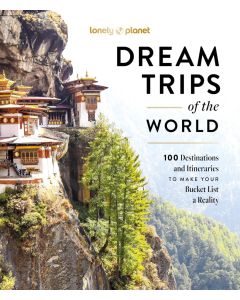
Lonely Planet

Lonely Planet guides are known for broad destination coverage, practical planning advice and suggestions for different budgets. They can be useful for independent travellers exploring several regions, although it is worth checking the publication date for details that may change frequently.

Rough Guides

Rough Guides combine practical information with cultural and historical context. They are a strong option for travellers who want to understand a place as well as decide what to see and do.

DK Eyewitness

DK Eyewitness guides stand out for their photographs, illustrations and maps. Their visual approach makes them especially handy for planning sightseeing days and getting a feel for a destination before you arrive.

Bradt Guides

Bradt specialises in destinations that may receive less coverage from larger publishers. Its guides often offer detailed local insight and can be particularly useful for travellers seeking wildlife, culture or less-visited places.

Rick Steves

Rick Steves guides focus mainly on Europe and are particularly popular with independent visitors. They offer practical advice on sightseeing, transport and making the most of a limited amount of time.

Michelin Green Guides

Michelin Green Guides are a useful choice for travellers interested in heritage, architecture and places of cultural or natural significance. Their ratings can help with sightseeing decisions, though personal interests should always come first.

What to look for in a travel guide

  • Up-to-date information: Opening hours, prices, transport routes and entry requirements can change. Check the edition date and verify important details before travelling.
  • The right level of detail: A guide to an entire country may be ideal for a long trip, while a city guide can be more practical for a weekend break.
  • Useful maps: Clear maps can make it easier to plan routes, understand neighbourhoods and get around without relying on a constant internet connection.
  • Your travel style: Look for advice that suits your priorities, whether that means family activities, accessible travel, food, hiking, history or travelling on a budget.
  • Local perspective: Guides that include regional voices and cultural context can offer a more thoughtful picture of a destination.

Printed books, apps or online guides?

Printed guidebooks are easy to browse, do not need charging and can be useful when mobile coverage is unreliable. Their main drawback is that information can become out of date.

Digital guides are convenient to carry and can be updated more easily. Some include searchable maps and saved recommendations, but features may depend on an internet connection or a paid subscription. Download essential maps and information before setting off.

Many travellers use a combination: a book or downloadable guide for background and itinerary planning, alongside official websites and current local information for practical details.

How to choose the best guide for you

Start by deciding what you need help with. If you are planning a multi-stop journey, choose a guide with strong transport and route-planning advice. For a short city break, look for neighbourhood maps and carefully selected highlights. If you are travelling somewhere less familiar, prioritise cultural guidance, safety information and detailed local coverage.

Before buying, browse a sample chapter or read recent reviews. Check that the guide covers the places you intend to visit, and compare its approach with your own interests. A highly rated guide is only the best choice if it fits your trip.

Make the most of your guide

Use a travel guide as a starting point rather than a strict itinerary. Mark the places that interest you, check time-sensitive information with reliable local sources, and leave room for unexpected discoveries. The best travel guide is ultimately the one that helps you travel with confidence while still allowing you to explore at your own pace.


Top Tips for Selecting the Ideal Travel Guide

  1. Choose a guide updated within the past year.
  2. Match the guide to your travel style and budget.
  3. Check that it covers the places you plan to visit.
  4. Look for practical details on transport, costs and opening times.
  5. Use local advice to check recommendations and recent changes.

Choose a guide updated within the past year.

Choose a travel guide that has been updated within the past year, especially if you rely on it for practical details. Restaurant recommendations, opening hours, transport routes, prices and entry requirements can change quickly, so a recent edition is more likely to reflect what you’ll find on arrival. Even with a current guide, check time-sensitive information with official websites before you travel.

Match the guide to your travel style and budget.

Choose a travel guide that suits both the way you like to explore and what you plan to spend. If you prefer independent adventures, look for practical advice on public transport, local neighbourhoods and low-cost places to eat; if comfort and convenience matter more, seek recommendations for guided tours, quality accommodation and easy-to-follow itineraries. Check that the guide covers your budget, from free attractions and affordable stays to special experiences, so its suggestions feel useful rather than out of reach.

Check that it covers the places you plan to visit.

Before choosing a travel guide, check that it covers the places you plan to visit. Some guides focus on a whole country, while others offer more detailed advice for particular cities or regions. Make sure the areas you want to explore are included, with useful information on local transport, attractions and places to eat, so you can plan your trip with confidence.

Look for practical details on transport, costs and opening times.

When choosing a travel guide, look for practical details that make planning easier, including how to get around, typical transport fares, entrance fees and opening times. This information can help you budget realistically, plan your days and avoid arriving at a museum or attraction after it has closed. As prices and schedules can change, check important details with official websites or local sources before you travel.

Use local advice to check recommendations and recent changes.

Use local advice to check recommendations and recent changes before you set off. Residents, tourism offices and trusted local websites can point you towards newly opened attractions, seasonal events and worthwhile places that guidebooks may miss. They can also confirm practical details such as opening hours, transport disruptions or temporary closures, helping you make informed plans and avoid unexpected setbacks.
Embark on an Exciting Journey of Exploration

explore

The Joy of Exploration: Embracing the Unknown

Exploration is a fundamental aspect of human nature, ingrained in our curiosity and desire for discovery. Whether venturing into uncharted territories or delving into the depths of our own minds, the act of exploration opens up a world of possibilities and opportunities.

When we explore, we break free from the confines of familiarity and step into the realm of the unknown. It is in these moments of exploration that we truly come alive, embracing new experiences and expanding our horizons.

Exploration can take many forms – from travelling to far-off lands to immersing ourselves in different cultures, from pursuing new hobbies to challenging our own beliefs and perceptions. Each journey of exploration offers a chance for growth and self-discovery.

One of the greatest joys of exploration is the sense of wonder and awe that it evokes. As we witness the beauty of nature, encounter diverse perspectives, or uncover hidden treasures, we are reminded of the vastness and complexity of the world around us.

Moreover, exploration fosters a spirit of resilience and adaptability. By stepping out of our comfort zones and confronting the unfamiliar, we learn to navigate challenges with courage and creativity, honing our problem-solving skills along the way.

So, let us embrace the spirit of exploration – let us seek out new adventures, embrace uncertainty, and revel in the thrill of discovery. For it is through exploration that we truly come to understand ourselves and our place in this vast and wondrous world.


8 Essential Tips for Exploring New Destinations

  1. Research your destination before you go to make the most of your trip.
  2. Try local cuisine and immerse yourself in the culture of the place you are visiting.
  3. Pack light and only bring essentials to make travel easier.
  4. Be open to new experiences and step out of your comfort zone.
  5. Interact with locals to learn more about the area and get insider tips.
  6. Take time to relax and enjoy the moment without rushing from one place to another.
  7. Capture memories through photos or a travel journal to remember your adventures.
  8. Stay safe by being aware of your surroundings and following local customs.

Research your destination before you go to make the most of your trip.

Before embarking on your journey, it is essential to research your destination thoroughly to ensure that you make the most of your trip. By familiarising yourself with the local culture, attractions, and customs, you can enhance your travel experience and gain a deeper understanding of the place you are visiting. From must-see landmarks to hidden gems off the beaten path, conducting thorough research allows you to plan ahead and make informed decisions that will enrich your exploration and create lasting memories.

Try local cuisine and immerse yourself in the culture of the place you are visiting.

When exploring a new destination, a valuable tip is to immerse yourself in the local culture by trying the native cuisine. Sampling traditional dishes not only tantalises your taste buds but also offers a deeper insight into the heritage and customs of the place you are visiting. From street food markets to family-run eateries, embracing local cuisine allows you to connect with the community, appreciate culinary traditions, and create lasting memories of your travel experience. So, next time you’re exploring a new destination, don’t miss out on the opportunity to savour authentic flavours and immerse yourself in the rich tapestry of local culture through its food.

Pack light and only bring essentials to make travel easier.

When embarking on a journey of exploration, it is wise to heed the advice of packing light and bringing only the essentials. By streamlining our belongings and focusing on the necessities, we not only lighten our physical load but also simplify our travel experience. Packing light allows for greater mobility, ease of movement, and less stress when navigating through various destinations. Embracing this tip on exploration enables us to focus on the journey itself rather than being weighed down by unnecessary items, ultimately making our travels more enjoyable and fulfilling.

Be open to new experiences and step out of your comfort zone.

To truly embrace the essence of exploration, it is essential to remain receptive to novel encounters and willingly venture beyond the confines of familiarity. By being open to fresh experiences and daring to step out of our comfort zones, we invite growth, learning, and a deeper understanding of ourselves and the world around us. Embracing the unknown with an open mind can lead to transformative moments that enrich our lives and broaden our perspectives in ways we never imagined possible.

Interact with locals to learn more about the area and get insider tips.

When exploring a new area, interacting with locals can enrich your experience and provide valuable insights. Engaging with residents allows you to gain a deeper understanding of the culture, traditions, and hidden gems of the place. By seeking out their perspectives and insider tips, you not only enhance your exploration but also forge meaningful connections that offer a unique glimpse into the heart of the community. Embracing local interactions adds a layer of authenticity to your journey, making it more immersive and rewarding.

Take time to relax and enjoy the moment without rushing from one place to another.

In the pursuit of exploration, it is essential to remember the importance of slowing down and savouring each moment along the way. Taking the time to relax and immerse oneself in the present without constantly rushing from one place to another allows for a deeper connection with our surroundings and a more meaningful experience. By pausing to appreciate the beauty and tranquillity of each moment, we can truly absorb the essence of our explorations and create lasting memories that resonate long after the journey has ended.

Capture memories through photos or a travel journal to remember your adventures.

When embarking on explorations, a valuable tip is to capture memories through photos or a travel journal. By documenting your adventures visually or in writing, you create lasting mementoes that allow you to relive the sights, sounds, and emotions of your journey. Whether it’s a breathtaking landscape, a delicious meal shared with locals, or a moment of serenity in a bustling city, these captured memories serve as reminders of the richness and beauty of your exploratory experiences.

Stay safe by being aware of your surroundings and following local customs.

To make the most of your exploration, it is essential to prioritise safety by staying vigilant and respecting local customs. By being aware of your surroundings and adhering to the traditions and norms of the places you visit, you not only ensure your own well-being but also show respect for the local culture. This mindful approach enhances your overall experience, allowing you to immerse yourself in new environments while fostering positive interactions with the communities you encounter.