
Healthy Crockpot Recipes for Easy, Nourishing Meals
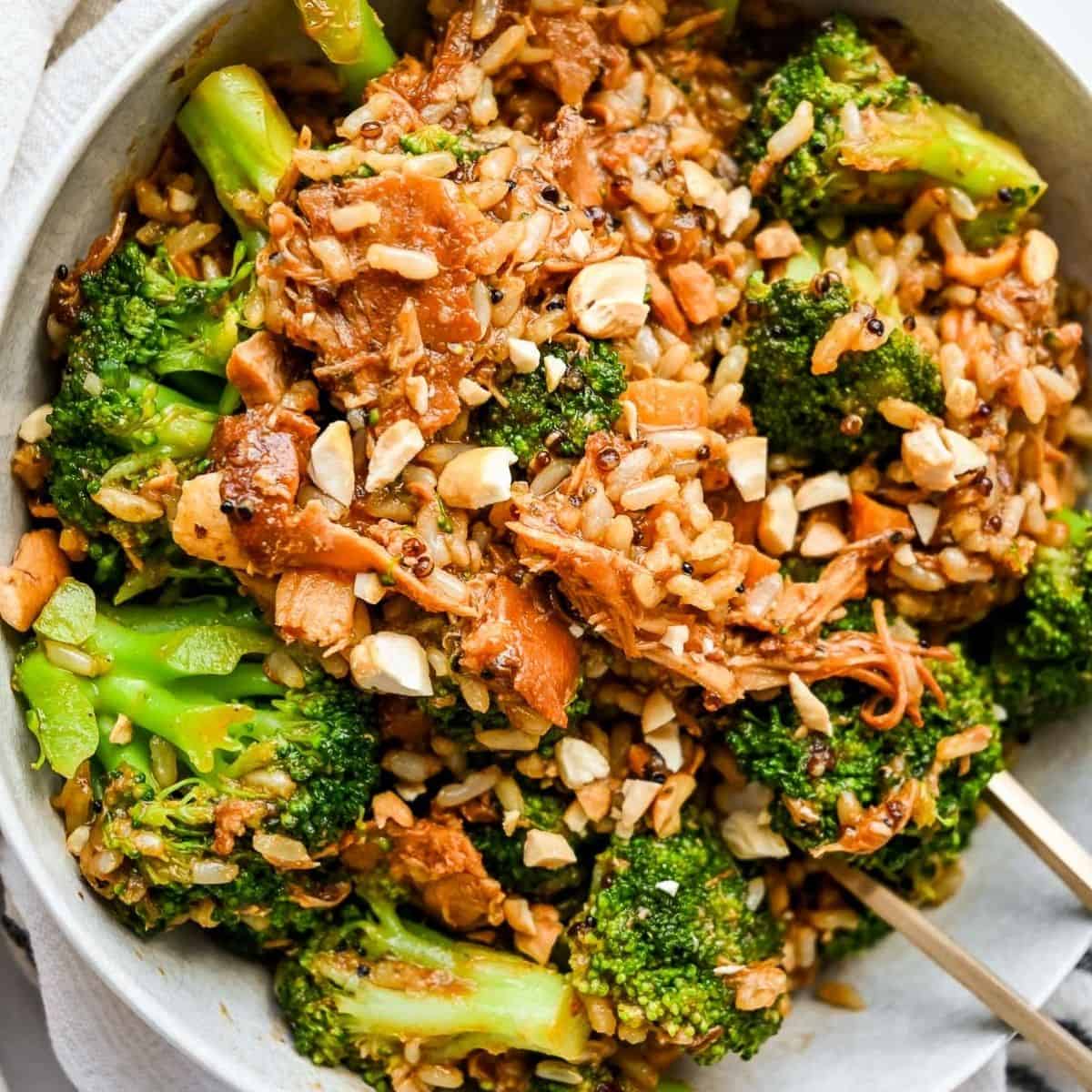
Healthy Crockpot Recipes for Easy, Nourishing Meals
A slow cooker can make healthy cooking simpler. Add a handful of wholesome ingredients, choose a cooking time and let the flavours develop while you get on with your day. Beans, vegetables, lean protein and wholegrains all work well in slow-cooked meals, making it easy to prepare satisfying dishes with plenty of fibre and little fuss.
These recipes use familiar ingredients and make approximately four portions. Cooking times can vary between appliances, so follow your slow cooker’s instructions and check that food is thoroughly cooked before serving.
Lentil, Tomato and Vegetable Stew
This hearty, plant-based stew is full of vegetables and fibre-rich lentils. Serve it on its own or with wholemeal bread.
Ingredients
- 200 g dried green or brown lentils, rinsed
- 1 onion, chopped
- 2 carrots, diced
- 2 sticks of celery, diced
- 1 courgette, diced
- 1 x 400 g tin chopped tomatoes
- 750 ml low-salt vegetable stock
- 1 tsp ground cumin
- ½ tsp smoked paprika
- 2 handfuls of spinach
- Black pepper, to taste
Method
- Add the lentils, onion, carrots, celery, courgette, tomatoes, stock, cumin and paprika to the slow cooker. Stir well.
- Cover and cook on low for 6–8 hours or on high for 3–4 hours, until the lentils and vegetables are tender.
- Stir in the spinach just before serving and season with black pepper.
Chicken, Bean and Vegetable Chilli
Lean chicken, beans and vegetables make this a filling alternative to a traditional mince chilli. Add extra chilli flakes if you like more heat.
Ingredients
- 500 g skinless chicken breast or thigh fillets
- 1 onion, chopped
- 1 red pepper, diced
- 1 carrot, grated
- 1 x 400 g tin chopped tomatoes
- 1 x 400 g tin kidney beans, drained and rinsed
- 150 ml low-salt chicken stock
- 2 tsp mild chilli powder
- 1 tsp ground cumin
- 1 tsp smoked paprika
- Juice of ½ lime
Method
- Place the chicken, onion, pepper, carrot, tomatoes, beans, stock and spices in the slow cooker. Stir to combine.
- Cover and cook on low for 6–7 hours or on high for 3–4 hours, until the chicken is cooked through.
- Shred the chicken with two forks, stir it back into the chilli and finish with lime juice. Serve with brown rice or a baked potato.
Vegetable and Chickpea Curry
This gently spiced curry is an easy way to use up vegetables. Choose light coconut milk for a creamy texture, or use extra stock for a lighter, tomato-based sauce.
Ingredients
- 1 onion, chopped
- 2 carrots, sliced
- 1 cauliflower, cut into small florets
- 1 x 400 g tin chickpeas, drained and rinsed
- 1 x 400 g tin chopped tomatoes
- 200 ml light coconut milk or vegetable stock
- 2 tsp mild curry powder
- 1 tsp ground ginger
- 100 g frozen peas
- Fresh coriander, to serve (optional)
Method
- Add the onion, carrots, cauliflower, chickpeas, tomatoes, coconut milk or stock, curry powder and ginger to the slow cooker. Mix well.
- Cover and cook on low for 5–6 hours or on high for 2½–3½ hours, until the vegetables are tender.
- Stir in the peas for the final 20–30 minutes. Serve with brown rice and fresh coriander, if using.
Apple, Pear and Cinnamon Porridge
Slow-cooked oats make a comforting breakfast. Prepare the ingredients the evening before, then cook according to your appliance’s instructions. Some slow cookers may need a shorter cooking time, so check the porridge as it cooks.
Ingredients
- 200 g rolled oats
- 800 ml milk or unsweetened fortified plant-based drink
- 1 apple, cored and diced
- 1 pear, cored and diced
- ½ tsp ground cinnamon
- 2 tbsp chopped walnuts or pumpkin seeds, to serve (optional)
Method
- Combine the oats, milk or plant-based drink, apple, pear and cinnamon in the slow cooker.
- Cover and cook on low for around 2–3 hours, checking towards the end to prevent the oats becoming too thick or sticking. Cooking times vary by appliance.
- Stir well and serve with a small handful of nuts or seeds, if desired.
Tips for Healthier Slow-Cooker Meals
- Load up on vegetables: Add onions, carrots, peppers, leafy greens or frozen vegetables to boost flavour and fibre.
- Choose filling ingredients: Beans, lentils and wholegrains can make meals more satisfying.
- Keep an eye on salt: Choose low-salt stock and tinned foods where possible, and season to taste at the end.
- Trim excess fat: Use lean cuts of meat and remove visible fat before cooking.
- Be careful with liquid: Slow cookers retain moisture, so recipes often need less liquid than conventional cooking.
Slow-Cooker Food Safety
For best results, use thawed ingredients unless your appliance’s instructions say otherwise, and avoid filling the cooker beyond its recommended limit. Keep the lid on during cooking, as lifting it lets heat escape. Once a meal is ready, serve it promptly or cool leftovers quickly and refrigerate them. Reheat leftovers until steaming hot throughout; do not use the slow cooker to reheat food.
With a little preparation, these healthy crockpot recipes can make weeknight dinners and relaxed breakfasts easier to plan. Adjust the vegetables, herbs and spices to suit your tastes, and keep a few simple ingredients on hand for a nourishing meal with minimal effort.
Healthy Slow Cooker Recipes: Frequently Asked Questions
- What are the healthiest ingredients to use in crockpot recipes?
- How can I make crockpot meals lower in salt and saturated fat?
- Can you put raw chicken in a crockpot?
- How long should healthy crockpot recipes cook for?
- Can frozen vegetables be used in crockpot recipes?
- How should I store and reheat crockpot leftovers safely?
What are the healthiest ingredients to use in crockpot recipes?
The healthiest crockpot recipes start with plenty of vegetables, such as carrots, peppers, tomatoes and leafy greens, alongside fibre-rich beans, lentils or chickpeas. For extra protein, choose lean chicken, turkey, fish added near the end of cooking, or plant-based options such as tofu. Wholegrains like barley or brown rice can make meals more satisfying, while herbs, spices, garlic and citrus add flavour without relying on excess salt. Choose low-salt stock and tinned ingredients, and use richer additions such as oil or coconut milk in moderation.
How can I make crockpot meals lower in salt and saturated fat?
To make crockpot meals lower in salt, choose reduced-salt stock and tinned ingredients, rinse canned beans, and build flavour with herbs, spices, garlic, citrus or vinegar instead of adding extra salt. To reduce saturated fat, use lean cuts of meat, remove visible fat and poultry skin, or swap some meat for beans or lentils. Use lighter alternatives to cream, full-fat cheese and coconut milk, such as low-fat yoghurt stirred in after cooking or a tomato-based sauce.
Can you put raw chicken in a crockpot?
Yes, raw chicken can be cooked in a crockpot, provided it is fully thawed first and the slow cooker is used according to the manufacturer’s instructions. Place the chicken straight into the cooker with the other ingredients, keep the lid on while it cooks, and avoid using a delayed-start setting. Before serving, check that the thickest part has reached 75°C and that the chicken is thoroughly cooked.
How long should healthy crockpot recipes cook for?
Healthy crockpot recipes typically cook for 6–8 hours on low or 3–4 hours on high, but the exact time depends on the ingredients, recipe and slow cooker. Follow the recipe and your appliance’s instructions, and check that meat is thoroughly cooked before serving. Try to keep the lid on during cooking, as lifting it can add to the cooking time.
Can frozen vegetables be used in crockpot recipes?
Yes, frozen vegetables can usually be added straight to crockpot recipes, making them a convenient, nutritious option. They may release extra liquid and become softer than fresh vegetables, so add them towards the end of cooking if you prefer them firmer, or reduce other liquid slightly if needed. Follow your slow cooker’s instructions, and avoid adding frozen meat unless the manufacturer specifically says it is safe to do so.
How should I store and reheat crockpot leftovers safely?
Transfer leftovers to shallow containers and refrigerate within 1–2 hours; keep them at 5°C or below and eat within 48 hours, or freeze them for longer storage. Defrost frozen portions in the fridge before reheating, and reheat only what you need until it is steaming hot all the way through. Reheat leftovers only once, and don’t use the slow cooker to reheat them.