
Easy Homemade Bread Recipe for Beginners
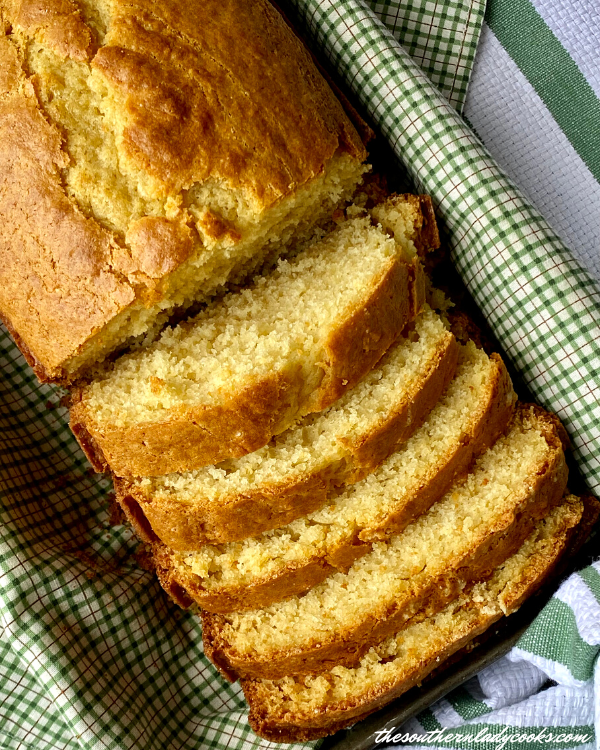
How to Make Homemade Bread
There is something special about a loaf of bread fresh from the oven: a crisp, golden crust, a soft centre and the comforting smell of warm dough. This straightforward recipe is ideal for beginners and uses just a handful of everyday ingredients.
Ingredients
- 500g strong white bread flour, plus extra for dusting
- 7g sachet fast-action dried yeast
- 10g fine salt
- About 320ml lukewarm water
- 1 tablespoon olive oil, plus a little extra for greasing
Method
- Combine the dry ingredients. Put the flour into a large mixing bowl. Add the yeast and salt, keeping them apart at first, then stir to combine.
- Make the dough. Pour in most of the lukewarm water and the olive oil. Mix with a wooden spoon or your hands, adding the remaining water a little at a time until you have a soft, slightly tacky dough. You may not need all the water.
- Knead. Turn the dough out on to a lightly floured surface. Knead for about 8–10 minutes, until smooth and elastic. Alternatively, use a stand mixer fitted with a dough hook for around 5–7 minutes.
- Leave to rise. Lightly oil a clean bowl and place the dough inside. Cover with a clean tea towel or lightly oiled cling film. Leave in a warm place for about 1–1½ hours, or until roughly doubled in size.
- Shape the loaf. Gently press the air out of the dough, then shape it into a round or oval loaf. Place it on a baking tray lined with baking paper, or in a greased loaf tin.
- Prove again. Cover loosely and leave to rise for 30–45 minutes, until the dough looks puffy. Meanwhile, heat the oven to 220°C (200°C fan)/Gas Mark 7.
- Bake. If you like, dust the loaf lightly with flour and make a shallow cut across the top with a sharp knife. Bake for 25–30 minutes, until deeply golden. The loaf should sound hollow when tapped underneath.
- Cool before slicing. Transfer the loaf to a wire rack and leave it to cool. Cutting into it while it is still very hot can make the centre seem doughy.
Tips for a Better Loaf
- Use lukewarm rather than hot water; very hot water can stop the yeast from working properly.
- If the dough feels dry, add a little more water. If it is too sticky to handle, dust your hands and work surface with a small amount of flour.
- Rising times vary depending on the temperature of your kitchen. Look for the dough to increase in size rather than relying only on the clock.
- For a crispier crust, place an oven-safe dish of hot water on the bottom shelf of the oven while the loaf bakes. Take care when handling the hot dish and steam.
Serving and Storing
Enjoy the bread warm with butter, or serve it alongside soup, cheese or a favourite sandwich filling. Once completely cool, store the loaf in a bread bin or paper bag for a couple of days. It can also be sliced and frozen, with individual slices taken out as needed.
With a little kneading and patience, simple ingredients become a satisfying homemade loaf—perfect for sharing at the table.
Top Tips for Perfecting Your Homemade Bread Recipe
- Weigh ingredients for accuracy.
- Use lukewarm water to wake the yeast.
- Keep salt separate from the yeast at first.
- Knead until the dough feels smooth and elastic.
- Let the dough rise until doubled in size.
- Shape the loaf gently to keep some air inside.
- Preheat the oven fully before baking.
- Cool the loaf before slicing.
Weigh ingredients for accuracy.
For reliable results, weigh your ingredients rather than relying on cups or guesswork. Small differences in the amount of flour or water can change the texture of the dough and affect how well the loaf rises. Use digital kitchen scales for the best accuracy, and measure each ingredient before you begin.
Use lukewarm water to wake the yeast.
Use lukewarm water to help activate the yeast and get your dough rising. Water that feels comfortably warm to the touch is ideal; if it is too hot, it can damage the yeast, while cold water may slow its activity. Add it gradually as you mix, as the amount needed can vary slightly depending on the flour.
Keep salt separate from the yeast at first.
When making bread, keep the salt and yeast separate until you add the liquid and begin mixing. Salt can slow down yeast activity if it sits in direct contact with it, which may affect how well the dough rises. Adding them to different parts of the flour first helps the yeast get off to a good start and supports a light, well-risen loaf.
Knead until the dough feels smooth and elastic.
Knead the dough until it feels smooth and elastic—this usually takes about 8–10 minutes by hand. Press it with the heel of your hand, fold it over and turn it as you work. The dough is ready when it springs back gently after being pressed and stretches without tearing easily. This develops the gluten, helping the loaf rise well and giving it a light, even texture.
Let the dough rise until doubled in size.
Let the dough rise in a warm, draught-free place until it has roughly doubled in size. This usually takes about 1–1½ hours, though the timing can vary with the temperature of your kitchen. Rather than relying only on the clock, check that the dough looks noticeably larger and feels light and airy before shaping it.
Shape the loaf gently to keep some air inside.
When shaping your loaf, handle the dough gently to preserve some of the air created during proving. Avoid pressing or kneading it too firmly; instead, use light movements to form the dough into your desired shape. This helps the bread rise well in the oven and gives it a lighter, softer texture.
Preheat the oven fully before baking.
Preheat the oven fully before baking so the loaf goes into an oven at the correct temperature from the start. This helps the bread rise evenly and develop a crisp, golden crust. Wait until the oven has reached the temperature stated in the recipe before putting the dough in.
Cool the loaf before slicing.
Let the loaf cool on a wire rack before slicing. As it rests, the crumb finishes setting and excess steam escapes, helping the bread keep its texture. Cutting into it while it is still hot can make the centre seem gummy and cause the slices to squash.