Exploring the Iconic Beauty of Famous Monuments Worldwide
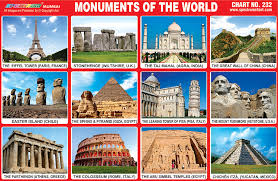
Famous Monuments Around the World
Monuments stand as timeless testaments to human creativity, ingenuity, and history. From towering structures to intricate sculptures, these iconic landmarks captivate and inspire millions of visitors each year. Let’s explore some of the world’s most famous monuments:
The Eiffel Tower, Paris
One of the most recognisable symbols of France, the Eiffel Tower in Paris attracts millions of tourists annually. Designed by Gustave Eiffel, this iron lattice tower offers breathtaking views of the city and has become a quintessential part of the Parisian skyline.
The Taj Mahal, India
Built as a symbol of eternal love, the Taj Mahal in Agra is a masterpiece of Mughal architecture. This white marble mausoleum is renowned for its intricate carvings, stunning symmetry, and serene reflection pools, making it a UNESCO World Heritage Site.
The Statue of Liberty, New York City
A gift from France to the United States, the Statue of Liberty has come to represent freedom and democracy. Located on Liberty Island in New York Harbor, this colossal copper statue welcomes visitors with its torch held high and iconic crown.
The Great Wall of China
Stretching over 13,000 miles across northern China, the Great Wall is an ancient fortification that dates back over 2,000 years. Built to protect against invasions and raids, this UNESCO World Heritage Site offers panoramic views of rugged landscapes and historic watchtowers.
The Colosseum, Rome
An enduring symbol of Roman engineering and entertainment, the Colosseum is an amphitheatre that once hosted gladiatorial contests and public spectacles. Today, visitors can explore its grand ruins and imagine the roar of crowds echoing through its ancient walls.
These famous monuments serve as reminders of our shared heritage and cultural achievements. Whether marvelling at their architectural splendour or delving into their historical significance, these landmarks continue to inspire wonder and awe across generations.
Exploring the World’s Iconic Monuments: Frequently Asked Questions and Fascinating Insights
- What is the most visited monument in the world?
- Which famous monument is considered one of the Seven Wonders of the World?
- How old is the Eiffel Tower in Paris?
- Why was the Taj Mahal built?
- What is the significance of the Statue of Liberty in New York City?
- How long did it take to build the Great Wall of China?
- What events took place at the Colosseum in Rome?
- Are there any myths or legends associated with famous monuments?
- Can you visit these famous monuments virtually?
What is the most visited monument in the world?
The most visited monument in the world is the Eiffel Tower in Paris, France. This iconic iron lattice tower, designed by Gustave Eiffel, attracts millions of visitors each year who come to admire its architectural beauty and panoramic views of the city. Serving as a symbol of France and a testament to human creativity, the Eiffel Tower remains a top destination for tourists seeking an unforgettable experience in one of the most romantic cities in the world.
Which famous monument is considered one of the Seven Wonders of the World?
One of the most frequently asked questions regarding famous monuments is which one is considered one of the Seven Wonders of the World. The answer to this query lies in the Great Pyramid of Giza in Egypt. This ancient marvel, built over 4,500 years ago, is the sole surviving structure of the original Seven Wonders of the Ancient World. Its imposing stature and remarkable construction continue to fascinate and intrigue visitors from around the globe, solidifying its status as a timeless icon of human achievement and ingenuity.
How old is the Eiffel Tower in Paris?
The Eiffel Tower in Paris, one of the most iconic landmarks in the world, is approximately 132 years old. Completed in 1889, this iron lattice tower was designed by Gustave Eiffel and served as the entrance arch for the 1889 World’s Fair. Since its construction, the Eiffel Tower has become synonymous with the city of Paris and continues to attract millions of visitors each year who marvel at its architectural beauty and panoramic views of the French capital.
Why was the Taj Mahal built?
The Taj Mahal, one of the most iconic monuments in the world, was built by the Mughal emperor Shah Jahan in memory of his beloved wife Mumtaz Mahal. The construction of this exquisite white marble mausoleum began in 1632 and took over 20 years to complete. It stands as a symbol of eternal love and devotion, showcasing intricate craftsmanship and architectural beauty that has mesmerised visitors for centuries. The Taj Mahal’s creation was a testament to Shah Jahan’s deep affection for his wife and remains a poignant reminder of their enduring bond.
What is the significance of the Statue of Liberty in New York City?
The Statue of Liberty in New York City holds significant historical and symbolic importance. A gift from France to the United States in 1886, it stands as a powerful symbol of freedom, democracy, and the enduring friendship between the two nations. Designed by Frédéric Auguste Bartholdi, the statue’s torch held high represents enlightenment and the pursuit of liberty. As an iconic landmark welcoming immigrants to America, the Statue of Liberty embodies hope and opportunity, serving as a beacon of inspiration for millions seeking a better life. Its presence on Liberty Island in New York Harbor continues to evoke feelings of unity, resilience, and the universal values of freedom and democracy.
How long did it take to build the Great Wall of China?
The construction of the Great Wall of China spanned centuries, with various dynasties contributing to its expansion and fortification. The initial construction of the wall began over 2,000 years ago during the Qin Dynasty around 221 BC. However, the most well-known sections of the Great Wall that we see today were built during the Ming Dynasty (1368-1644 AD). Overall, the building process of the Great Wall was a monumental undertaking that evolved over time, with estimates suggesting that it took several hundred years to complete its various segments and fortifications.
What events took place at the Colosseum in Rome?
The Colosseum in Rome was a renowned venue for a variety of events and spectacles during ancient times. Primarily used for gladiatorial contests, these brutal combat displays captivated audiences with fierce battles between skilled fighters or against wild animals. In addition to gladiator fights, the Colosseum also hosted mock sea battles known as naumachiae, where the arena would be flooded to recreate naval warfare scenes. Other events included animal hunts, executions, and theatrical performances, all aimed at entertaining and engaging the Roman populace while showcasing the empire’s power and grandeur.
Are there any myths or legends associated with famous monuments?
Famous monuments often carry with them a tapestry of myths and legends that add an extra layer of intrigue to their storied histories. From the enduring mystery of hidden chambers within the Great Pyramid of Giza to the romantic folklore surrounding the construction of India’s Taj Mahal, these iconic landmarks are steeped in tales that blend fact with fiction. Whether it’s whispers of curses at the Egyptian Sphinx or tales of supernatural sightings at England’s Stonehenge, these myths and legends serve to enrich our fascination with these architectural wonders, inviting us to delve deeper into their enigmatic pasts.
Can you visit these famous monuments virtually?
In this digital age, many of these famous monuments offer virtual tours that allow visitors to explore their grandeur from the comfort of their own homes. Through immersive online experiences, individuals can navigate iconic landmarks like the Eiffel Tower in Paris, the Taj Mahal in India, the Statue of Liberty in New York City, the Great Wall of China, and the Colosseum in Rome. These virtual tours provide a unique opportunity to appreciate the architectural marvels and historical significance of these monuments through high-definition images, interactive features, and informative guides. Whether unable to travel in person or simply seeking a different perspective, virtual visits offer a convenient and enriching way to connect with these renowned sites.