
Easy Buttercream Frosting Recipe for Cakes and Cupcakes
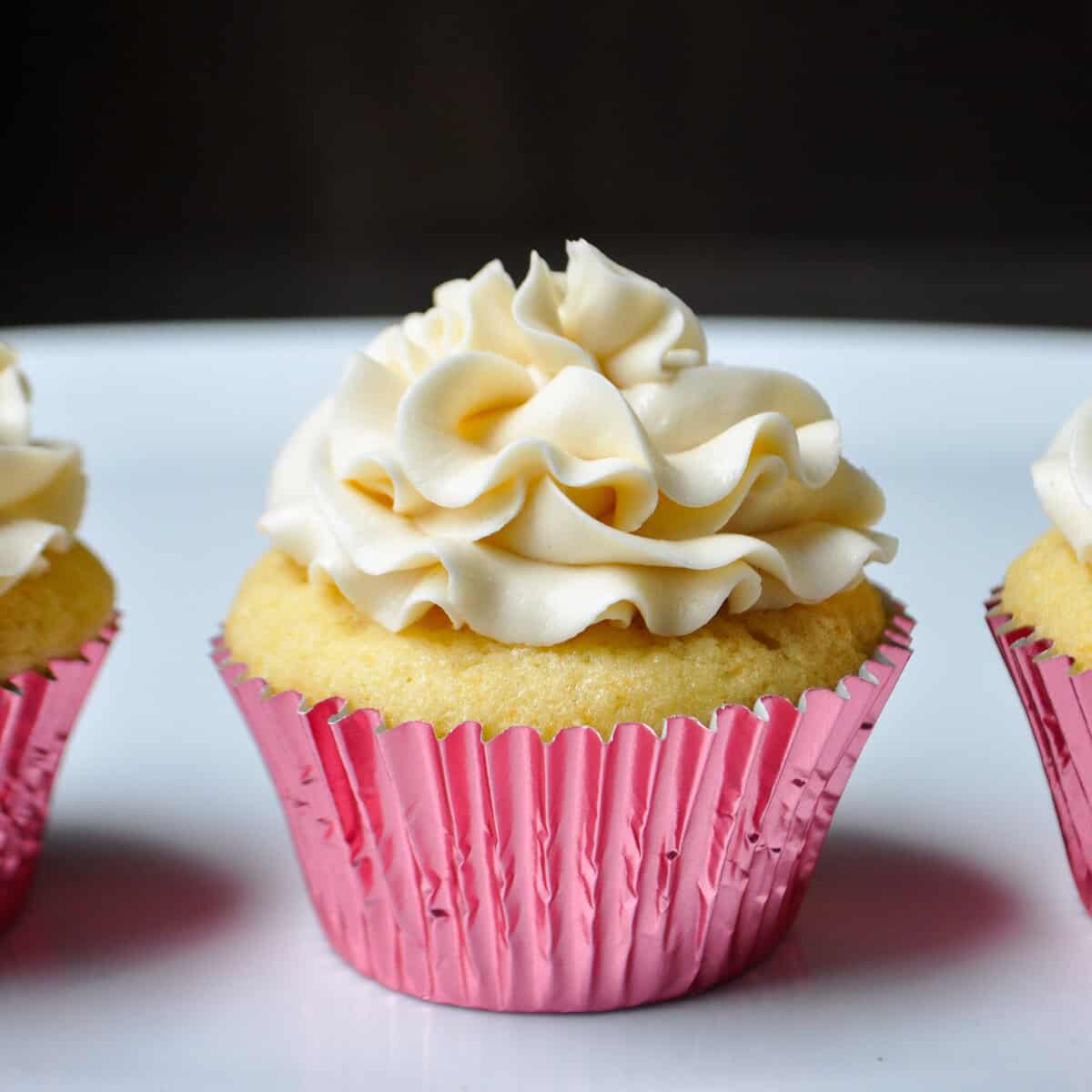
Easy Buttercream Frosting Recipe
Buttercream frosting is a smooth, versatile topping for cakes, cupcakes and biscuits. This simple recipe uses just a few ingredients and can be flavoured or coloured to suit the occasion. It makes enough to generously frost 12 cupcakes or fill and cover a small 20cm cake.
Ingredients
- 250g unsalted butter, softened
- 500g icing sugar, sifted
- 2–3 tablespoons milk or double cream
- 1 teaspoon vanilla extract
- A small pinch of salt, optional
Method
- Put the softened butter in a large bowl. Beat with an electric mixer for 3–5 minutes, until pale, soft and fluffy. Scrape down the sides of the bowl as needed.
- Add the sifted icing sugar in batches, mixing on a low speed at first to prevent it from puffing out of the bowl.
- Once the sugar is incorporated, add the vanilla and 2 tablespoons of milk or cream. Beat for a further 2–3 minutes until light and smooth.
- If the frosting is too thick, add a little more milk, half a tablespoon at a time. If it is too soft, beat in a little more sifted icing sugar.
- Spread or pipe the buttercream onto completely cooled cakes or cupcakes.
Tips for Smooth, Fluffy Buttercream
- Use butter that is softened but still cool to the touch. If it is oily or melting, the frosting may become too soft.
- Sift the icing sugar to help prevent lumps.
- Start mixing slowly after adding the sugar, then increase the speed once it is combined.
- For a less sweet frosting, add a pinch of salt and use a little more buttercream flavouring, such as vanilla or citrus zest.
Flavour Variations
For chocolate buttercream, replace 50g of the icing sugar with 50g of sifted cocoa powder. For a citrus version, add finely grated lemon or orange zest. You can also add food colouring a little at a time until you reach the shade you want.
Storage
Buttercream can be kept in an airtight container in the fridge for up to 5 days. Before using, bring it back to room temperature and beat it briefly until smooth and fluffy. It can also be frozen for up to 2 months; defrost it in the fridge, then allow it to soften and beat again before spreading or piping.
Buttercream Icing FAQs: Ingredients, Ratios, Techniques and Storage
- How do you make buttercream frosting from scratch?
- What ingredients do you need for buttercream frosting?
- What is the best ratio of butter to icing sugar for buttercream?
- How do you make buttercream frosting fluffy and smooth?
- Why is my buttercream frosting too runny, and how can I thicken it?
- How can you make buttercream frosting less sweet?
- Can you make buttercream frosting without an electric mixer?
- How long does buttercream frosting last, and how should it be stored?
- Can buttercream frosting be frozen and used later?
How do you make buttercream frosting from scratch?
To make buttercream frosting from scratch, beat softened unsalted butter until pale and fluffy, then gradually add sifted icing sugar, mixing on a low speed to avoid a cloud of sugar. Add vanilla extract and a little milk or cream, then beat until smooth and light. Adjust the consistency by adding more liquid for softer frosting or more icing sugar for a firmer finish.
What ingredients do you need for buttercream frosting?
A basic buttercream frosting needs softened unsalted butter, sifted icing sugar, a little milk or double cream, and vanilla extract for flavour. You can add a pinch of salt to balance the sweetness. Adjust the amount of milk or cream to make the frosting softer for spreading or firmer for piping.
What is the best ratio of butter to icing sugar for buttercream?
A reliable starting point for buttercream is a 1:2 ratio by weight: use one part butter to two parts icing sugar. For example, 125g butter with 250g icing sugar makes a smooth, pipeable frosting. Adjust the texture with a little milk or cream if it is too stiff, or add more icing sugar if it is too soft. The ideal ratio can vary slightly depending on the recipe and how firm you want the buttercream to be.
How do you make buttercream frosting fluffy and smooth?
To make buttercream frosting fluffy and smooth, start with softened—but not melted—butter and beat it for several minutes until pale and airy. Sift the icing sugar, then add it gradually on a low speed to avoid lumps and clouds of sugar. Once combined, add the milk or cream a little at a time and beat until the frosting is light and creamy, scraping down the bowl as needed. If it feels too thick, add a small splash of milk; if it is too soft, mix in a little more sifted icing sugar.
Why is my buttercream frosting too runny, and how can I thicken it?
Buttercream can turn runny if the butter is too warm, too much milk or cream has been added, or the frosting has been overworked in a warm kitchen. To thicken it, chill the bowl for 10–15 minutes, then beat the buttercream again; if it is still too soft, gradually mix in sifted icing sugar until it reaches the desired consistency. Avoid adding too much sugar at once, as this can make the frosting overly sweet.
How can you make buttercream frosting less sweet?
To make buttercream less sweet, add a small pinch of salt, which helps balance the sugar, or mix in a little unsweetened cocoa powder, lemon juice or cream cheese for a less sugary flavour. You can also reduce the icing sugar slightly, but add it gradually and check the texture as you go, as too little may leave the frosting soft or buttery. For a noticeably less sweet option, try Swiss meringue buttercream, which is made by whisking sugar with egg whites before adding the butter.
Can you make buttercream frosting without an electric mixer?
Yes, you can make buttercream frosting without an electric mixer, although it takes a little more time and effort. Make sure the butter is softened, then beat it vigorously with a sturdy wooden spoon or balloon whisk until smooth and creamy. Gradually add the sifted icing sugar, mixing well between additions, then stir in the vanilla and milk or cream a little at a time until the frosting reaches a spreadable consistency. For the fluffiest result, keep beating for several minutes and scrape down the sides of the bowl as you go.
How long does buttercream frosting last, and how should it be stored?
Buttercream frosting can be stored in an airtight container in the fridge for up to five days, or frozen for up to two months. Bring chilled or frozen buttercream to room temperature before using, then beat it briefly until smooth and fluffy. If it has been left out, keep it in a cool place and follow the storage guidance for its ingredients; buttercream made with perishable additions may need refrigerating sooner.
Can buttercream frosting be frozen and used later?
Yes, buttercream frosting can be frozen for up to 2 months. Place it in an airtight container or freezer-safe bag, then thaw it in the fridge overnight. Before using, let it come to room temperature and beat it briefly until smooth and fluffy again. If it looks slightly separated after thawing, a few minutes of mixing should bring it back together.