
Easy Homemade Pie Crust Recipe for Sweet and Savoury Pies
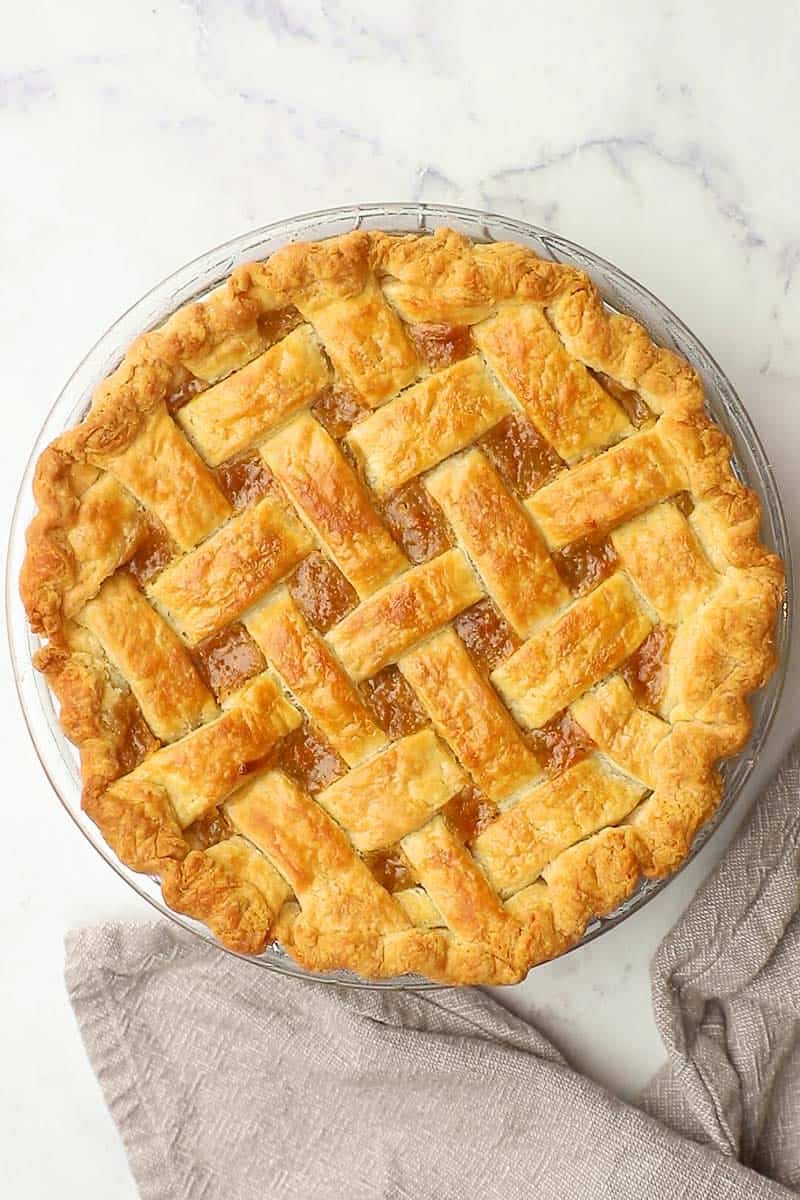
Easy Homemade Pie Crust Recipe
A good pie crust should be crisp, tender and easy to handle. This classic shortcrust pastry uses just a few everyday ingredients and works well for both sweet and savoury pies. Keep everything cool, handle the dough gently and you’ll have a dependable crust ready for your favourite filling.
Ingredients
Makes enough pastry for one 23cm pie crust, or a covered pie with a top and base.
- 250g plain flour, plus extra for dusting
- 125g cold unsalted butter, cut into small cubes
- A pinch of salt
- 3–5 tablespoons cold water
- Optional, for a sweet crust: 1 tablespoon caster sugar
Method
- Mix the dry ingredients. Put the flour and salt in a large bowl. If making a sweet pie, add the caster sugar.
- Rub in the butter. Add the cold butter and rub it into the flour with your fingertips until the mixture resembles fine breadcrumbs. Work quickly so the butter stays cool.
- Bring the dough together. Add the cold water a tablespoon at a time, mixing gently with a table knife. Stop as soon as the dough begins to hold together; it should not feel sticky.
- Chill. Shape the dough into a flat disc, wrap it and refrigerate for at least 30 minutes. Chilling makes it easier to roll and helps prevent shrinkage during baking.
- Roll out the pastry. Lightly flour the work surface and rolling pin. Roll the dough from the centre outwards, turning it regularly, until it is about 3mm thick and large enough to line your pie dish.
- Line the dish. Lift the pastry over the dish, easing it into the corners without stretching it. Trim the edges, leaving a little overhang if you plan to add a pastry lid. Chill again for 15–20 minutes before baking or filling.
How to Blind Bake a Pie Crust
Blind baking is useful when the filling needs less time in the oven than the pastry, or when it is added cold after baking.
- Heat the oven to 200°C, 180°C fan or gas mark 6.
- Prick the chilled pastry base lightly with a fork. Line it with baking paper and fill with baking beans or uncooked rice.
- Bake for 15 minutes. Carefully remove the paper and weights, then bake for a further 5–8 minutes, until the base looks dry and lightly golden.
Tips for a Crisp, Tender Crust
- Use cold butter and cold water, and avoid overworking the dough.
- Add water gradually. Different flours absorb different amounts, so you may not need all of it.
- Chill the pastry before rolling and again after lining the dish.
- If the dough cracks while rolling, press it back together rather than adding lots of extra flour.
- For a richer, more tender crust, replace a tablespoon of the water with cold milk or add one egg yolk.
Storing the Pastry
The wrapped dough will keep in the fridge for up to two days. It can also be frozen for up to three months; defrost it overnight in the fridge before rolling. Once baked, the crust is best used on the day, when it is at its crispest.
With a little patience and a light touch, homemade pie crust is simple to make and brings a lovely buttery finish to sweet and savoury bakes alike.
7 Tips for Perfectly Flaky Pie Pastry
- Use cold butter for a flaky crust.
- Weigh ingredients for reliable results.
- Rub butter in until it resembles breadcrumbs.
- Add ice-cold water a little at a time.
- Handle the dough as little as possible.
- Chill the dough before rolling it out.
- Blind-bake the crust to prevent a soggy base.
Use cold butter for a flaky crust.
Use cold butter for a flaky pie crust. As the pastry bakes, the butter melts and releases steam, creating delicate layers in the dough. Cut it into small cubes straight from the fridge and work it into the flour quickly, using your fingertips, so it stays cool. If the mixture starts to feel warm or soft, chill it before continuing.
Weigh ingredients for reliable results.
For a reliable pie crust, weigh your ingredients rather than relying on cups or estimates. Accurate amounts help you keep the right balance of flour, butter and water, so the pastry is easier to handle and turns out tender and crisp. Use cold ingredients, and add the water gradually, as you may need slightly more or less depending on your flour.
Rub butter in until it resembles breadcrumbs.
Rub the cold butter into the flour using your fingertips until the mixture looks like fine breadcrumbs. Keep the movement light and work quickly, so the butter does not warm up too much. This helps create a tender, flaky pastry; if a few small pieces of butter remain, that’s perfectly fine.
Add ice-cold water a little at a time.
Add ice-cold water a little at a time when bringing your pastry dough together. Start with one tablespoon and mix gently before adding more, stopping as soon as the dough holds together. Using too much water can make the crust tough, while keeping it cold helps prevent the butter from melting and keeps the pastry tender and flaky.
Handle the dough as little as possible.
Handle pie dough as little as possible to keep the crust tender and flaky. Overworking it develops the flour’s gluten, which can make the pastry tough and cause it to shrink as it bakes. Mix only until the dough just comes together, and avoid kneading it; if it becomes warm or sticky, wrap it and chill it briefly before rolling.
Chill the dough before rolling it out.
Chilling the dough before rolling it out helps the butter firm up, making the pastry easier to handle and less likely to stick or tear. It also gives the flour time to absorb the moisture, resulting in a smoother dough and a more tender crust. Wrap the dough and refrigerate it for at least 30 minutes, then let it soften slightly at room temperature if it feels too firm to roll.
Blind-bake the crust to prevent a soggy base.
Blind-baking the pie crust helps prevent a soggy base, particularly when the filling is moist or needs less time in the oven than the pastry. Line the chilled pastry with baking paper, fill it with baking beans or uncooked rice, and bake until the edges are set. Remove the paper and weights, then return the crust to the oven for a few minutes so the base dries and turns lightly golden before adding the filling.