Airfryer Recipes for Quick, Crispy Everyday Meals
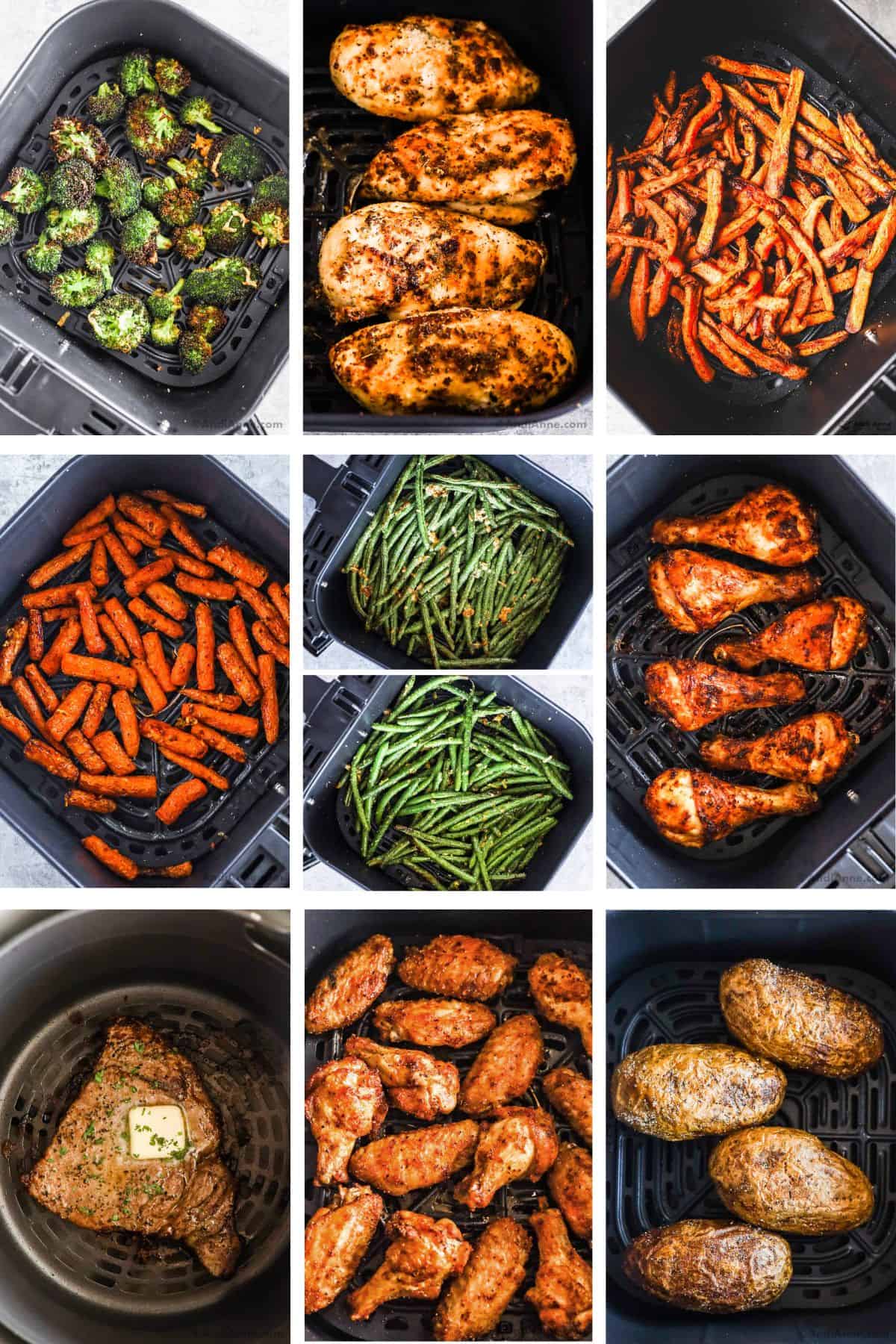
Easy Air Fryer Recipes for Every Day
An air fryer can make everyday cooking quicker and simpler, from crisp potatoes to tender salmon and colourful roasted vegetables. It circulates hot air around the food, helping it brown with little or no oil. The best results come from cooking in a single layer, turning or shaking food part-way through, and checking it early: air fryers vary in size and performance.
Before you start
- Preheat your air fryer if the manufacturer recommends it.
- Leave space between pieces so hot air can circulate. Cook in batches if needed.
- Use a small amount of oil for foods that benefit from extra browning, but avoid pouring oil directly into the drawer.
- Treat the cooking times below as a guide and check your food as it cooks.
Crisp air fryer chips
These homemade chips are golden on the outside and fluffy in the middle.
Serves: 2
Ingredients:
- 500g floury potatoes, such as Maris Piper
- 1 tablespoon olive or vegetable oil
- Salt and black pepper
Method:
- Peel the potatoes, if you like, and cut them into evenly sized chips.
- Rinse under cold water, then dry thoroughly with a clean tea towel. Toss with the oil.
- Air fry at 200°C for 20–25 minutes, shaking the basket two or three times, until golden and tender.
- Season with salt and pepper before serving.
For extra-crisp chips, soak the cut potatoes in cold water for 20–30 minutes before drying them well.
Lemon and herb salmon
A quick main course that pairs well with salad, rice or air-fried vegetables.
Serves: 2
Ingredients:
- 2 salmon fillets
- 1 teaspoon olive oil
- ½ lemon, juiced, plus wedges to serve
- ½ teaspoon dried mixed herbs
- Black pepper
Method:
- Pat the salmon dry. Rub with the oil, lemon juice, herbs and a little black pepper.
- Place the fillets skin-side down in the air fryer basket.
- Cook at 180°C for 8–12 minutes, depending on their thickness, until the fish is opaque and flakes easily.
- Serve with lemon wedges.
Garlic and paprika chicken thighs
Smoky paprika and garlic give these chicken thighs plenty of flavour, while the air fryer helps crisp the skin.
Serves: 2
Ingredients:
- 4 bone-in, skin-on chicken thighs
- 1 teaspoon olive oil
- 1 teaspoon smoked paprika
- ½ teaspoon garlic granules
- Salt and black pepper
Method:
- Pat the chicken dry. Mix the oil, paprika, garlic granules, salt and pepper, then rub over the thighs.
- Arrange the thighs in a single layer, skin-side down.
- Cook at 190°C for about 20–25 minutes, turning halfway through.
- Check that the thickest part of each thigh has reached 75°C and that the meat is cooked through before serving.
Roasted Mediterranean vegetables
A colourful side dish that is also delicious stirred through couscous or pasta.
Serves: 2–3
Ingredients:
- 1 red pepper, cut into chunks
- 1 courgette, cut into half-moons
- 1 small red onion, cut into wedges
- 150g cherry tomatoes
- 1 tablespoon olive oil
- 1 teaspoon dried oregano
- Salt and black pepper
Method:
- Toss the vegetables with the oil, oregano, salt and pepper.
- Air fry at 190°C for 10–15 minutes, shaking the basket once or twice, until tender and lightly browned.
- Serve warm, or leave to cool and add to a salad.
Cinnamon and apple bites
For a simple pudding, warm apple pieces with cinnamon and serve with yoghurt or custard.
Serves: 2
Ingredients:
- 2 eating apples, cored and cut into bite-sized pieces
- ½ teaspoon ground cinnamon
- 1 teaspoon honey or maple syrup (optional)
Method:
- Toss the apple pieces with the cinnamon and, if using, the honey or maple syrup.
- Place in a small heatproof dish that fits in your air fryer.
- Cook at 180°C for 8–12 minutes, stirring once, until soft and lightly browned.
- Serve warm with yoghurt, custard or a scoop of ice cream.
Make the most of your air fryer
Once you know how your appliance cooks, it is easy to adapt favourite dishes. Cut ingredients to a similar size for more even cooking, keep wet batters and loose seasonings under control, and clean the basket after use to prevent lingering flavours. With a few simple ingredients and a little experimentation, air fryer recipes can make weeknight meals both convenient and satisfying.
Air Fryer Recipes: 7 Frequently Asked Questions Answered
- What foods can you cook in an air fryer?
- Do you need to use oil in air fryer recipes?
- How do you convert oven cooking times and temperatures for an air fryer?
- Can you cook frozen food in an air fryer?
- How do you stop food sticking to the air fryer basket?
- How do you make chips crispy in an air fryer?
- How do you know when food is safely cooked in an air fryer?
What foods can you cook in an air fryer?
You can cook a wide range of foods in an air fryer, including chips, roast vegetables, chicken, fish, sausages, tofu and even some cakes or other baked treats. It works particularly well for foods that benefit from a crisp, browned finish, whether fresh or frozen. Cooking times vary between models, so check food as it cooks, and avoid putting loose wet batter or large amounts of liquid in the basket.
Do you need to use oil in air fryer recipes?
No, you don’t always need oil when cooking with an air fryer, as hot air does most of the work. However, a small amount can help fresh ingredients such as potatoes and vegetables brown and crisp, and can stop lean foods from drying out. Frozen foods that are already coated in oil usually need none. If a recipe calls for oil, lightly toss or brush it over the ingredients rather than pouring it into the air fryer basket.
How do you convert oven cooking times and temperatures for an air fryer?
As a general guide, reduce the oven temperature by about 20°C and shorten the cooking time by around 20% when adapting a recipe for an air fryer. For example, if a dish is cooked in a conventional oven at 200°C for 30 minutes, try air frying it at 180°C for about 24 minutes. These are only starting points: air fryers vary, and smaller portions may cook faster, so check the food early, turn or shake it if needed, and make sure it is thoroughly cooked before serving.
Can you cook frozen food in an air fryer?
Yes, many frozen foods can be cooked straight from frozen in an air fryer, including chips, vegetables and some breaded foods. You may need to add a few minutes to the cooking time, so check the packaging where available and follow the air fryer manufacturer’s guidance. Arrange food in a single layer for even cooking, shake or turn it part-way through, and make sure it is piping hot all the way through before serving.
How do you stop food sticking to the air fryer basket?
To stop food sticking to the air fryer basket, make sure it is clean and dry before cooking, then lightly coat the basket or the food with a little oil. Avoid using aerosol cooking sprays, which can damage some non-stick coatings; instead, apply oil with a brush or refillable sprayer. Arrange food in a single layer and turn it only once it has browned and released more easily. For delicate foods, use a suitably sized piece of perforated baking paper, following your air fryer’s instructions and never placing it in the basket while preheating.
How do you make chips crispy in an air fryer?
For crispy air fryer chips, cut potatoes into evenly sized pieces, soak them in cold water for 20–30 minutes, then drain and dry them thoroughly. Toss with a small amount of oil and arrange in a single layer, leaving space for the hot air to circulate. Cook at around 200°C for 20–25 minutes, shaking the basket a few times, until golden and crisp; adjust the time to suit your air fryer and the thickness of the chips.
How do you know when food is safely cooked in an air fryer?
The most reliable way to check food cooked in an air fryer is to use a clean food thermometer in the thickest part, avoiding bones. Follow the recipe or packaging instructions; as a general UK safety guide, food should reach 70°C for 2 minutes, or an equivalent combination such as 75°C for 30 seconds. Don’t rely on colour or crispness alone, as food can look cooked before the centre is safe.