
Delightful Swiss Chard Recipes to Elevate Your Culinary Creations
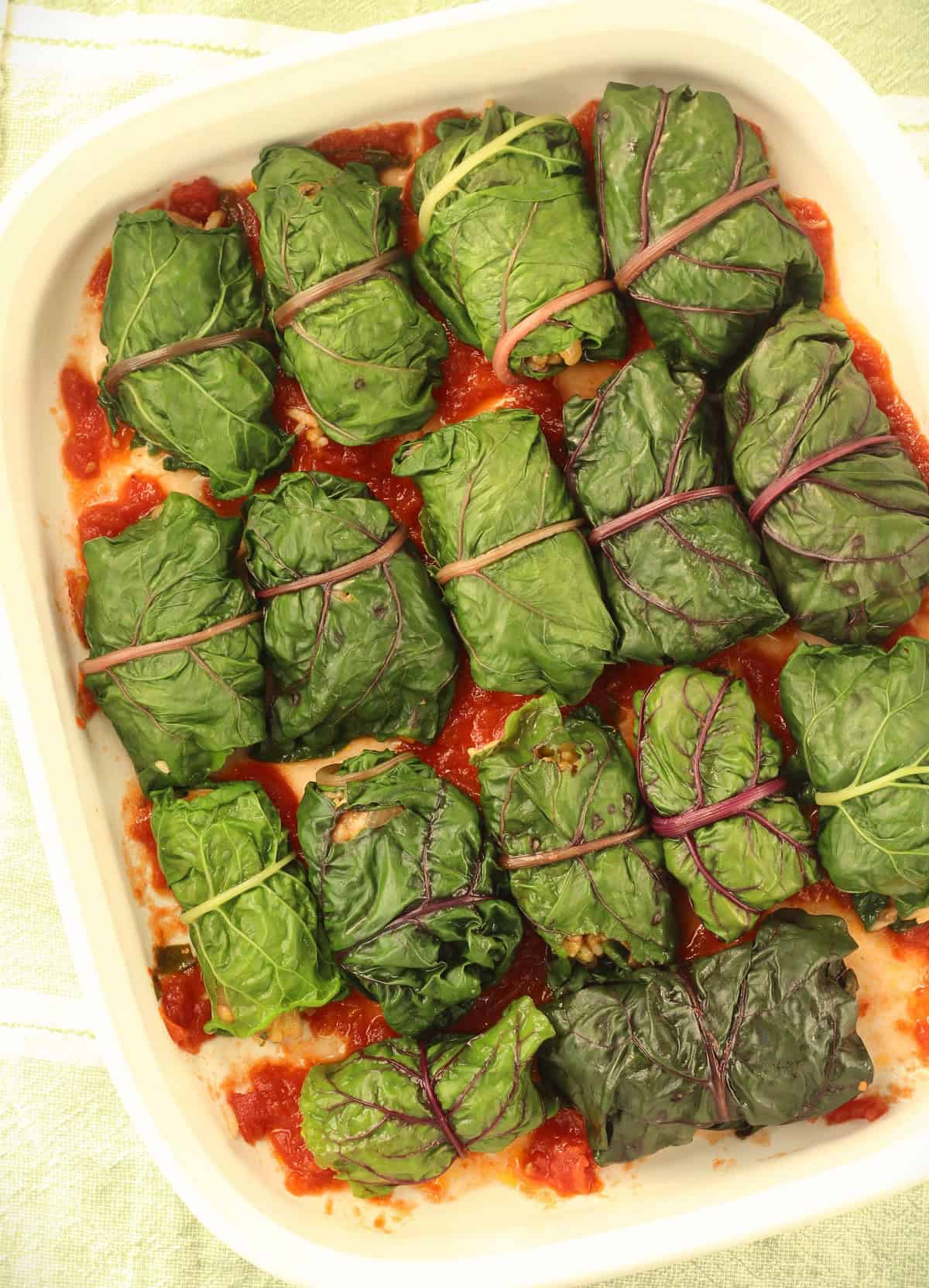
The Versatile and Nutritious Swiss Chard: Delicious Recipes to Try
Swiss chard, with its vibrant green leaves and colourful stems, is a versatile leafy green that is not only delicious but also packed with nutrients. Whether you’re looking to incorporate more greens into your diet or simply want to try something new, Swiss chard is a fantastic ingredient to work with. Here are some delightful Swiss chard recipes to inspire your culinary adventures:
Sauteed Swiss Chard with Garlic and Lemon
Heat olive oil in a pan, add minced garlic and chopped Swiss chard leaves. Cook until the leaves are wilted. Squeeze fresh lemon juice over the top and season with salt and pepper. This simple yet flavourful dish makes a perfect side for any meal.
Swiss Chard and Feta Stuffed Chicken Breast
Butterfly chicken breasts and stuff them with a mixture of sauteed Swiss chard, crumbled feta cheese, and chopped sun-dried tomatoes. Secure with toothpicks, season with herbs and spices, then bake until the chicken is cooked through. Serve with a side salad for a wholesome meal.
Swiss Chard Pesto Pasta
In a food processor, blend blanched Swiss chard leaves, toasted pine nuts, garlic, Parmesan cheese, and olive oil until smooth. Toss the pesto with cooked pasta of your choice and garnish with cherry tomatoes for a colourful and tasty dish.
Swiss Chard and Lentil Soup
Cook onions, carrots, celery, lentils, vegetable broth, and chopped Swiss chard stems in a pot until the lentils are tender. Add in the chopped Swiss chard leaves towards the end of cooking for added freshness. Season with herbs and spices for a comforting bowl of soup.
Experimenting with Swiss chard in your cooking can lead to exciting flavour combinations and nutritious meals that will delight your taste buds. Whether you enjoy it raw in salads or cooked in hearty dishes, Swiss chard is sure to become a staple in your kitchen.
Essential Guide to Swiss Chard: Preparation, Recipes, Storage, and Health Benefits
- 1. How do I prepare Swiss chard for cooking?
- 2. What are some popular Swiss chard recipes?
- 3. Can I eat Swiss chard raw in salads?
- 4. Are there any vegan Swiss chard recipes available?
- 5. How can I store fresh Swiss chard to keep it fresh longer?
- 6. What are the health benefits of including Swiss chard in my diet?
1. How do I prepare Swiss chard for cooking?
When preparing Swiss chard for cooking, start by washing the leaves thoroughly under running water to remove any dirt or debris. Trim off the tough ends of the stems and separate them from the leaves. You can use both the stems and leaves in your recipes, but they may require different cooking times. If you prefer a softer texture, consider blanching the leaves in boiling water for a few minutes before incorporating them into your dish. For the stems, you can chop them into smaller pieces for sautéing or roasting. Swiss chard is a versatile ingredient that can be enjoyed in a variety of ways once properly cleaned and prepped for cooking.
2. What are some popular Swiss chard recipes?
Swiss chard, a versatile and nutrient-rich leafy green, lends itself to a variety of popular recipes that showcase its vibrant colours and earthy flavour. Some well-loved Swiss chard recipes include sautéed Swiss chard with garlic and lemon, Swiss chard and feta stuffed chicken breast, Swiss chard pesto pasta, and Swiss chard and lentil soup. These dishes not only highlight the versatility of Swiss chard but also offer a delicious way to incorporate this nutritious ingredient into your meals. Whether you prefer simple sautés or more elaborate preparations, there is a Swiss chard recipe to suit every palate.
3. Can I eat Swiss chard raw in salads?
Swiss chard can indeed be enjoyed raw in salads, adding a vibrant burst of colour and a unique flavour profile to your dish. The tender leaves of Swiss chard offer a slightly earthy taste with a hint of sweetness, making it a refreshing addition to salads. To prepare Swiss chard for a salad, simply wash the leaves thoroughly, remove the tough stems, and tear or chop the leaves into bite-sized pieces. Pair it with your favourite salad ingredients such as cherry tomatoes, cucumbers, nuts, and a zesty dressing for a nutritious and delicious salad that showcases the versatility of Swiss chard.
4. Are there any vegan Swiss chard recipes available?
For those following a vegan diet or simply looking for plant-based options, there is a plethora of delicious vegan Swiss chard recipes to explore. From hearty Swiss chard and chickpea curry to flavourful Swiss chard and mushroom stir-fry, the versatility of this leafy green allows for endless culinary creativity without the need for animal products. Whether you prefer your Swiss chard in soups, salads, or main dishes, there are plenty of vegan-friendly recipes that showcase the vibrant flavours and nutritional benefits of this versatile ingredient.
5. How can I store fresh Swiss chard to keep it fresh longer?
To store fresh Swiss chard and extend its freshness, begin by trimming any wilted or yellow leaves and cutting off the ends of the stems. Next, place the Swiss chard in a container or a plastic bag lined with a damp paper towel to maintain moisture. Store it in the vegetable crisper drawer of the refrigerator, where it can stay fresh for up to 5-7 days. Remember to check on it periodically and discard any leaves that show signs of spoilage. Proper storage techniques can help preserve the quality of Swiss chard for longer periods, ensuring that you can enjoy its vibrant flavour and nutritional benefits in your recipes.
6. What are the health benefits of including Swiss chard in my diet?
Including Swiss chard in your diet offers a plethora of health benefits. This leafy green vegetable is rich in vitamins A, C, and K, as well as minerals like magnesium, potassium, and iron. Swiss chard is also packed with antioxidants that help combat inflammation and support overall immune function. Its high fibre content promotes digestive health and can aid in weight management. Additionally, the presence of phytonutrients in Swiss chard contributes to its anti-cancer properties, making it a valuable addition to a balanced and nutritious diet.