Delightful Swiss Chard Recipes to Elevate Your Culinary Creations
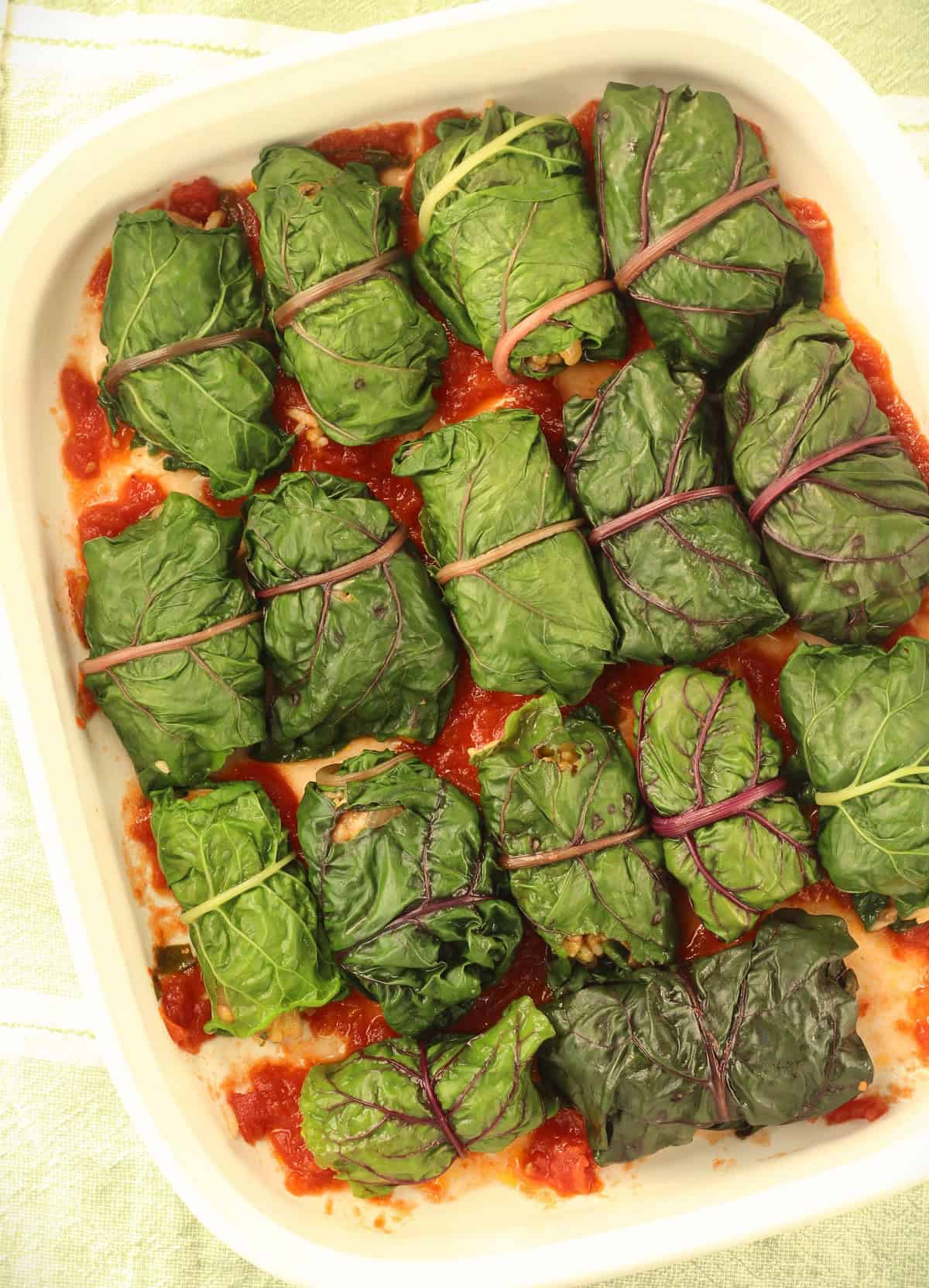
swiss chard recipes

The Versatile and Nutritious Swiss Chard: Delicious Recipes to Try

Swiss chard, with its vibrant green leaves and colourful stems, is a versatile leafy green that is not only delicious but also packed with nutrients. Whether you’re looking to incorporate more greens into your diet or simply want to try something new, Swiss chard is a fantastic ingredient to work with. Here are some delightful Swiss chard recipes to inspire your culinary adventures:

Sauteed Swiss Chard with Garlic and Lemon

Heat olive oil in a pan, add minced garlic and chopped Swiss chard leaves. Cook until the leaves are wilted. Squeeze fresh lemon juice over the top and season with salt and pepper. This simple yet flavourful dish makes a perfect side for any meal.

Swiss Chard and Feta Stuffed Chicken Breast

Butterfly chicken breasts and stuff them with a mixture of sauteed Swiss chard, crumbled feta cheese, and chopped sun-dried tomatoes. Secure with toothpicks, season with herbs and spices, then bake until the chicken is cooked through. Serve with a side salad for a wholesome meal.

Swiss Chard Pesto Pasta

In a food processor, blend blanched Swiss chard leaves, toasted pine nuts, garlic, Parmesan cheese, and olive oil until smooth. Toss the pesto with cooked pasta of your choice and garnish with cherry tomatoes for a colourful and tasty dish.

Swiss Chard and Lentil Soup

Cook onions, carrots, celery, lentils, vegetable broth, and chopped Swiss chard stems in a pot until the lentils are tender. Add in the chopped Swiss chard leaves towards the end of cooking for added freshness. Season with herbs and spices for a comforting bowl of soup.

Experimenting with Swiss chard in your cooking can lead to exciting flavour combinations and nutritious meals that will delight your taste buds. Whether you enjoy it raw in salads or cooked in hearty dishes, Swiss chard is sure to become a staple in your kitchen.


Essential Guide to Swiss Chard: Preparation, Recipes, Storage, and Health Benefits

  1. 1. How do I prepare Swiss chard for cooking?
  2. 2. What are some popular Swiss chard recipes?
  3. 3. Can I eat Swiss chard raw in salads?
  4. 4. Are there any vegan Swiss chard recipes available?
  5. 5. How can I store fresh Swiss chard to keep it fresh longer?
  6. 6. What are the health benefits of including Swiss chard in my diet?

1. How do I prepare Swiss chard for cooking?

When preparing Swiss chard for cooking, start by washing the leaves thoroughly under running water to remove any dirt or debris. Trim off the tough ends of the stems and separate them from the leaves. You can use both the stems and leaves in your recipes, but they may require different cooking times. If you prefer a softer texture, consider blanching the leaves in boiling water for a few minutes before incorporating them into your dish. For the stems, you can chop them into smaller pieces for sautéing or roasting. Swiss chard is a versatile ingredient that can be enjoyed in a variety of ways once properly cleaned and prepped for cooking.

Swiss chard, a versatile and nutrient-rich leafy green, lends itself to a variety of popular recipes that showcase its vibrant colours and earthy flavour. Some well-loved Swiss chard recipes include sautéed Swiss chard with garlic and lemon, Swiss chard and feta stuffed chicken breast, Swiss chard pesto pasta, and Swiss chard and lentil soup. These dishes not only highlight the versatility of Swiss chard but also offer a delicious way to incorporate this nutritious ingredient into your meals. Whether you prefer simple sautés or more elaborate preparations, there is a Swiss chard recipe to suit every palate.

3. Can I eat Swiss chard raw in salads?

Swiss chard can indeed be enjoyed raw in salads, adding a vibrant burst of colour and a unique flavour profile to your dish. The tender leaves of Swiss chard offer a slightly earthy taste with a hint of sweetness, making it a refreshing addition to salads. To prepare Swiss chard for a salad, simply wash the leaves thoroughly, remove the tough stems, and tear or chop the leaves into bite-sized pieces. Pair it with your favourite salad ingredients such as cherry tomatoes, cucumbers, nuts, and a zesty dressing for a nutritious and delicious salad that showcases the versatility of Swiss chard.

4. Are there any vegan Swiss chard recipes available?

For those following a vegan diet or simply looking for plant-based options, there is a plethora of delicious vegan Swiss chard recipes to explore. From hearty Swiss chard and chickpea curry to flavourful Swiss chard and mushroom stir-fry, the versatility of this leafy green allows for endless culinary creativity without the need for animal products. Whether you prefer your Swiss chard in soups, salads, or main dishes, there are plenty of vegan-friendly recipes that showcase the vibrant flavours and nutritional benefits of this versatile ingredient.

5. How can I store fresh Swiss chard to keep it fresh longer?

To store fresh Swiss chard and extend its freshness, begin by trimming any wilted or yellow leaves and cutting off the ends of the stems. Next, place the Swiss chard in a container or a plastic bag lined with a damp paper towel to maintain moisture. Store it in the vegetable crisper drawer of the refrigerator, where it can stay fresh for up to 5-7 days. Remember to check on it periodically and discard any leaves that show signs of spoilage. Proper storage techniques can help preserve the quality of Swiss chard for longer periods, ensuring that you can enjoy its vibrant flavour and nutritional benefits in your recipes.

6. What are the health benefits of including Swiss chard in my diet?

Including Swiss chard in your diet offers a plethora of health benefits. This leafy green vegetable is rich in vitamins A, C, and K, as well as minerals like magnesium, potassium, and iron. Swiss chard is also packed with antioxidants that help combat inflammation and support overall immune function. Its high fibre content promotes digestive health and can aid in weight management. Additionally, the presence of phytonutrients in Swiss chard contributes to its anti-cancer properties, making it a valuable addition to a balanced and nutritious diet.

Exploring the Art of Slow Cooker Meals: A Culinary Journey

slow cooker meals

The Delight of Slow Cooker Meals

Slow cooker meals have become a staple in many households, offering convenience, delicious flavours, and a comforting aroma that fills the home. These meals are not only easy to prepare but also allow for a hands-off cooking experience that results in tender, flavourful dishes.

Benefits of Slow Cooker Meals

One of the main advantages of slow cooker meals is the time-saving aspect. By simply preparing the ingredients, adding them to the slow cooker, and setting the timer, you can go about your day while your meal slowly simmers to perfection.

Additionally, slow cooking is known for enhancing the flavours of ingredients as they have time to meld together over low heat. This method of cooking also helps tenderise tougher cuts of meat, resulting in succulent and melt-in-your-mouth dishes.

Popular Slow Cooker Recipes

From hearty stews and soups to tender roasts and flavourful curries, the possibilities with slow cooker meals are endless. Some popular recipes include:

  • Beef Stew: A classic comfort food made with tender chunks of beef, root vegetables, and savoury broth.
  • Pulled Pork: Slow-cooked pork shoulder that is easily shredded and perfect for sandwiches or tacos.
  • Chicken Curry: A fragrant and spicy dish made with chicken thighs, curry spices, coconut milk, and vegetables.
  • Vegetarian Chilli: A hearty chilli loaded with beans, vegetables, and spices for a satisfying meat-free meal.

Tips for Successful Slow Cooking

To make the most out of your slow cooker meals, consider the following tips:

  • Layer ingredients properly to ensure even cooking.
  • Avoid lifting the lid during cooking to maintain heat and moisture levels.
  • Adjust seasoning towards the end of cooking for optimal flavour balance.
  • Cut ingredients uniformly for consistent cooking times.
  • Clean your slow cooker promptly after use for easy maintenance.

Whether you’re a busy individual looking for convenient meal options or someone who enjoys savouring rich flavours developed over time, slow cooker meals offer a delightful culinary experience that is sure to satisfy your taste buds.


Top 7 FAQs About Slow Cooker Meals: Best Dishes, Health Benefits, and Cooking Tips

  1. What should not be cooked in a slow cooker?
  2. What are the best slow-cooked meals?
  3. What are some slow cooker meals?
  4. Is food cooked in a slow cooker healthy?
  5. What cooks well in a slow cooker?
  6. Are slow cooker meals good?
  7. What foods are best cooked in a slow cooker?

What should not be cooked in a slow cooker?

When it comes to using a slow cooker, there are certain foods that are best avoided to ensure safe and delicious results. Foods that cook quickly or require precise cooking temperatures, such as seafood and delicate vegetables like spinach, are not ideal for slow cooker preparation. Dairy products like milk and soft cheeses can curdle when subjected to prolonged heat, so they are best added towards the end of cooking. Additionally, raw rice and pasta may not cook evenly in a slow cooker and could result in an undesirable texture. By being mindful of what should not be cooked in a slow cooker, you can make the most of this convenient kitchen appliance while creating tasty and satisfying meals.

What are the best slow-cooked meals?

When it comes to the best slow-cooked meals, the options are plentiful and diverse, catering to various tastes and preferences. From hearty beef stews and tender pot roasts to flavourful curries and comforting soups, there is a slow-cooked meal to suit every palate. Popular choices like pulled pork, chicken casserole, and vegetarian chilli also rank high among favourites. The beauty of slow cooking lies in its ability to transform simple ingredients into rich, aromatic dishes that are both satisfying and nourishing. Whether you’re craving a comforting classic or seeking a new culinary adventure, exploring the world of slow-cooked meals promises a delightful gastronomic journey.

What are some slow cooker meals?

When exploring the realm of slow cooker meals, a diverse array of tantalising options awaits. From hearty beef stews brimming with tender chunks of meat and root vegetables to succulent pulled pork that practically melts in your mouth, the possibilities are endless. Savour the aromatic spices and creamy coconut milk in a comforting chicken curry or indulge in a robust vegetarian chilli loaded with beans and vibrant vegetables. These slow cooker meals not only offer convenience but also promise a symphony of flavours that develop beautifully over time, making each dish a delightful culinary journey.

Is food cooked in a slow cooker healthy?

When considering the healthiness of food cooked in a slow cooker, it largely depends on the ingredients and cooking methods used. Slow cookers are known for their ability to retain nutrients in food due to the low and slow cooking process, which can help preserve vitamins and minerals. By using lean proteins, plenty of vegetables, and whole grains in your slow cooker recipes, you can create nutritious and balanced meals. However, it’s essential to be mindful of added fats, sugars, and sodium in certain recipes that may affect the overall healthfulness of the dish. With proper ingredient choices and moderation, food cooked in a slow cooker can indeed be a healthy option for those looking to enjoy convenient and flavourful meals.

What cooks well in a slow cooker?

When it comes to what cooks well in a slow cooker, the possibilities are vast and varied. Slow cookers excel at transforming tough cuts of meat into tender, succulent dishes that are bursting with flavour. From hearty stews and soups to aromatic curries and braised meats, slow cookers are perfect for creating comforting meals that require minimal effort. Additionally, vegetables, legumes, and grains can also be cooked to perfection in a slow cooker, allowing for a hassle-free way to prepare nutritious and delicious dishes. The gentle heat and long cooking times of a slow cooker work wonders in melding flavours together, making it an ideal appliance for busy individuals looking to enjoy homemade meals without the constant supervision of traditional stovetop cooking.

Are slow cooker meals good?

Slow cooker meals are not only good but also offer numerous benefits that make them a popular choice for many home cooks. The slow cooking process allows flavours to develop and ingredients to tenderise, resulting in delicious and satisfying dishes. Additionally, the convenience of preparing ingredients in the morning and coming home to a ready-to-eat meal is a major advantage for busy individuals or families. The versatility of slow cooker recipes, ranging from hearty stews to tender roasts, ensures that there is a dish to suit every palate. Overall, slow cooker meals are not just good; they are a fantastic way to enjoy flavourful and comforting food with minimal effort.

What foods are best cooked in a slow cooker?

When it comes to slow cooker meals, a variety of foods shine in this convenient cooking appliance. Dishes that benefit most from slow cooking include hearty stews with tender chunks of meat, such as beef or lamb, as the low and slow method helps to break down tough fibres for succulent results. Additionally, dishes like soups, curries, and chillies develop rich and complex flavours over time in a slow cooker. Pulled pork and shredded chicken are also favourites for their melt-in-your-mouth texture achieved through prolonged cooking. Vegetarian options like lentil dishes and bean-based stews are equally delicious when simmered slowly, allowing the flavours to meld together beautifully. Ultimately, the best foods for a slow cooker are those that benefit from long, gentle cooking to achieve maximum tenderness and flavour infusion.