Simple Vegetarian Recipes for Every Day
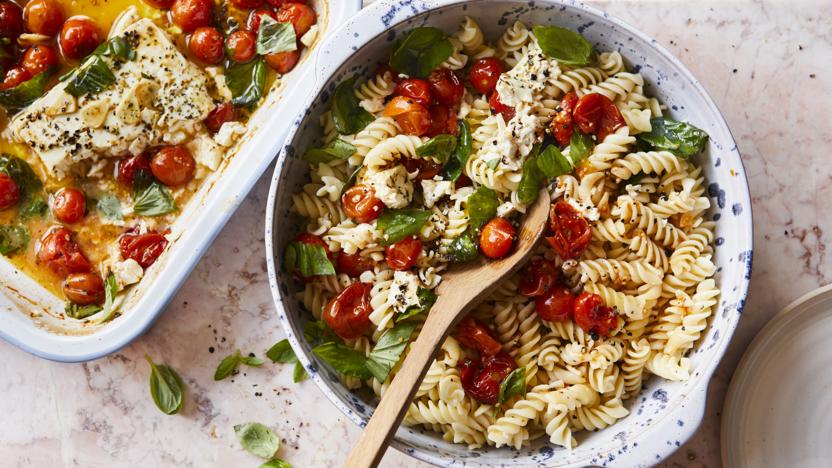
Easy Vegetarian Recipes for Every Day
Vegetarian cooking can be colourful, satisfying and wonderfully simple. Whether you’re planning a quick weeknight dinner or a leisurely weekend meal, a few everyday ingredients can become something special. These three recipes are full of flavour, easy to adapt and suitable for a vegetarian diet.
Creamy Tomato and Spinach Pasta
This comforting pasta is ready in about 25 minutes. Use your favourite pasta shape and add a pinch of chilli flakes if you like a little heat.
Ingredients
- 300g pasta
- 1 tablespoon olive oil
- 1 small onion, finely chopped
- 2 garlic cloves, crushed
- 400g tin chopped tomatoes
- 100ml single cream
- 100g fresh spinach
- 30g grated vegetarian hard cheese, plus extra to serve
- Salt and black pepper
Method
- Cook the pasta in a large pan of salted boiling water according to the packet instructions. Drain, reserving a mugful of the cooking water.
- Meanwhile, warm the olive oil in a frying pan. Cook the onion for 5 minutes until soft, then add the garlic and cook for a further minute.
- Stir in the chopped tomatoes and simmer for 8–10 minutes. Add the cream and spinach, stirring until the spinach wilts.
- Mix in the cooked pasta and grated cheese. Loosen the sauce with a splash of pasta water, then season to taste. Serve with extra cheese.
Roasted Vegetable and Chickpea Traybake
A traybake is a simple way to make a filling meal with minimal washing-up. Serve this one with couscous, rice or warm flatbreads.
Ingredients
- 1 red onion, cut into wedges
- 1 red pepper, roughly chopped
- 1 courgette, sliced
- 1 aubergine, cut into chunks
- 400g tin chickpeas, drained and rinsed
- 2 tablespoons olive oil
- 1 teaspoon ground cumin
- 1 teaspoon smoked paprika
- 1 lemon
- Small handful of fresh parsley, chopped
- Salt and black pepper
Method
- Heat the oven to 200°C (180°C fan), Gas Mark
Put the onion, pepper, courgette, aubergine and chickpeas on a large baking tray.
- Add the olive oil, cumin, smoked paprika, salt and pepper. Toss everything together and spread it out in an even layer.
- Roast for 30–35 minutes, turning the vegetables halfway through, until tender and lightly browned.
- Squeeze over the lemon juice, scatter with parsley and serve hot.
Red Lentil and Coconut Curry
Red lentils cook quickly and give this gently spiced curry a thick, comforting texture. Adjust the chilli to suit your taste.
Ingredients
- 1 tablespoon vegetable oil
- 1 onion, finely chopped
- 2 garlic cloves, crushed
- 1 tablespoon mild curry powder
- 200g red lentils, rinsed
- 400g tin chopped tomatoes
- 400ml tin coconut milk
- 300ml vegetable stock
- 100g baby spinach
- Salt and black pepper
- Fresh coriander and cooked rice, to serve
Method
- Heat the oil in a large saucepan. Add the onion and cook gently for 5–6 minutes until softened.
- Add the garlic and curry powder, then stir for 30 seconds. Tip in the lentils, tomatoes, coconut milk and vegetable stock.
- Bring to a gentle simmer and cook uncovered for 20–25 minutes, stirring occasionally, until the lentils are soft. Add a splash of water if the curry becomes too thick.
- Stir in the spinach until wilted, then season to taste. Serve with rice and fresh coriander.
Make Vegetarian Cooking Your Own
These recipes are easy to adapt. Swap vegetables according to the season, add beans for extra protein or use herbs and spices to change the flavour. For a balanced meal, combine vegetables with satisfying ingredients such as lentils, chickpeas, beans, tofu, eggs or dairy products.
With a well-stocked cupboard and a little imagination, vegetarian meals can be both straightforward and delicious.
Exploring the Benefits of Vegetarian Recipes: Nutritious, Versatile, and Delicious
- Packed with colourful vegetables.
- Often rich in fibre.
- Easy to adapt to the seasons.
- Can be quick and simple to make.
- Great for trying new flavours.
- Beans and lentils add satisfying protein.
- Ideal for using up leftover vegetables.
- Offers delicious meat-free variety.
Challenges of Vegetarian Recipes: Specialist Ingredients, Protein Planning, and Perishable Produce
- Some recipes require specialist ingredients.
- Plant-based protein may need careful planning.
- Fresh vegetables can spoil quickly.
Packed with colourful vegetables.
Vegetarian recipes are often packed with colourful vegetables, from vibrant peppers and leafy greens to bright tomatoes and golden squash. These ingredients bring a variety of flavours, textures and natural colours to the plate, making meals appealing as well as satisfying. Mixing vegetables also makes it easy to enjoy a wide range of ingredients throughout the week.
Often rich in fibre.
Many vegetarian recipes are rich in fibre, particularly those made with beans, lentils, wholegrains, vegetables, fruit, nuts and seeds. Fibre supports healthy digestion and can help meals feel more satisfying. Choosing a variety of these ingredients is an easy way to add more fibre to your everyday diet.
Easy to adapt to the seasons.
One of the advantages of vegetarian recipes is how easily they can be adapted to the seasons. Swap ingredients for whatever is fresh and readily available: use asparagus and peas in spring, tomatoes and courgettes in summer, squash and mushrooms in autumn, or root vegetables and leafy greens in winter. Seasonal produce can bring variety and flavour to familiar dishes, while making it easier to plan meals around what’s in season.
Can be quick and simple to make.
Many vegetarian recipes are quick and simple to make, making them ideal for busy days. Everyday ingredients such as vegetables, beans, lentils and pasta can be turned into a satisfying meal with just a few steps. From speedy stir-fries to hearty soups, there are plenty of options that save time without compromising on flavour.
Great for trying new flavours.
Vegetarian recipes are a great way to try new flavours and ingredients. Cooking with vegetables, pulses, herbs and spices from different cuisines can introduce you to exciting combinations, from fragrant curries to zesty salads. It’s an easy way to add variety to everyday meals and discover new favourites.
Beans and lentils add satisfying protein.
Beans and lentils are an easy, affordable way to add satisfying protein to vegetarian recipes. They also bring fibre and a hearty texture, making soups, curries, salads and stews more filling. From chickpeas in a traybake to lentils in a rich curry, these versatile ingredients help turn simple meals into nourishing, satisfying dishes.
Ideal for using up leftover vegetables.
Vegetarian recipes are an ideal way to use up leftover vegetables and reduce food waste. Add odds and ends from the fridge to a soup, curry, pasta sauce or traybake, adjusting the herbs and spices to bring everything together. It’s a simple way to make a tasty meal while making the most of what you already have.
Offers delicious meat-free variety.
Vegetarian recipes offer delicious meat-free variety, bringing together vibrant vegetables, pulses, grains, herbs and spices in countless combinations. From hearty lentil curries to fresh seasonal salads, they make it easy to discover new flavours and enjoy satisfying meals without meat.
Some recipes require specialist ingredients.
Some vegetarian recipes call for specialist ingredients, such as nutritional yeast, miso paste or meat alternatives, which may not be stocked in every supermarket. Finding them can take extra time and expense, particularly if they are only used once. However, many can be replaced with more familiar ingredients, so it is worth checking for simple alternatives before shopping.
Plant-based protein may need careful planning.
One potential drawback of vegetarian recipes is that plant-based protein may need careful planning. Foods such as beans, lentils, tofu, nuts and seeds can all contribute protein, but relying on a narrow range of ingredients may make meals less varied or satisfying. Including different protein-rich foods throughout the day can help create balanced, nourishing meals.
Fresh vegetables can spoil quickly.
One drawback of vegetarian recipes is that they often rely on fresh vegetables, which can spoil quickly if they are not stored or used in time. This may lead to food waste and extra trips to the shops, particularly when meal plans change. Choosing longer-lasting produce, such as carrots, cabbage and root vegetables, or using frozen vegetables can help reduce waste and make vegetarian cooking more convenient.