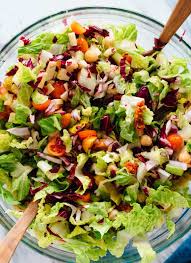
Simple Vegetarian Recipes for Every Day
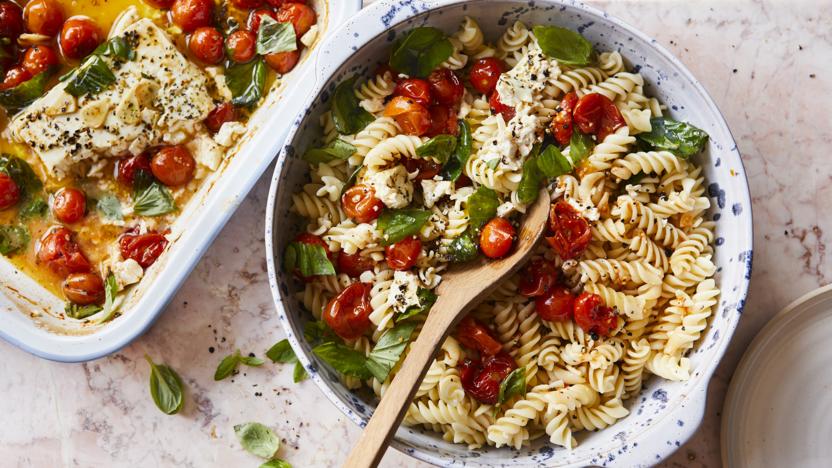
recipes vegetarian

Easy Vegetarian Recipes for Every Day

Vegetarian cooking can be colourful, satisfying and wonderfully simple. Whether you’re planning a quick weeknight dinner or a leisurely weekend meal, a few everyday ingredients can become something special. These three recipes are full of flavour, easy to adapt and suitable for a vegetarian diet.

Creamy Tomato and Spinach Pasta

This comforting pasta is ready in about 25 minutes. Use your favourite pasta shape and add a pinch of chilli flakes if you like a little heat.

Ingredients

  • 300g pasta
  • 1 tablespoon olive oil
  • 1 small onion, finely chopped
  • 2 garlic cloves, crushed
  • 400g tin chopped tomatoes
  • 100ml single cream
  • 100g fresh spinach
  • 30g grated vegetarian hard cheese, plus extra to serve
  • Salt and black pepper

Method

  1. Cook the pasta in a large pan of salted boiling water according to the packet instructions. Drain, reserving a mugful of the cooking water.
  2. Meanwhile, warm the olive oil in a frying pan. Cook the onion for 5 minutes until soft, then add the garlic and cook for a further minute.
  3. Stir in the chopped tomatoes and simmer for 8–10 minutes. Add the cream and spinach, stirring until the spinach wilts.
  4. Mix in the cooked pasta and grated cheese. Loosen the sauce with a splash of pasta water, then season to taste. Serve with extra cheese.

Roasted Vegetable and Chickpea Traybake

A traybake is a simple way to make a filling meal with minimal washing-up. Serve this one with couscous, rice or warm flatbreads.

Ingredients

  • 1 red onion, cut into wedges
  • 1 red pepper, roughly chopped
  • 1 courgette, sliced
  • 1 aubergine, cut into chunks
  • 400g tin chickpeas, drained and rinsed
  • 2 tablespoons olive oil
  • 1 teaspoon ground cumin
  • 1 teaspoon smoked paprika
  • 1 lemon
  • Small handful of fresh parsley, chopped
  • Salt and black pepper

Method

  1. Heat the oven to 200°C (180°C fan), Gas Mark

    Put the onion, pepper, courgette, aubergine and chickpeas on a large baking tray.

  2. Add the olive oil, cumin, smoked paprika, salt and pepper. Toss everything together and spread it out in an even layer.
  3. Roast for 30–35 minutes, turning the vegetables halfway through, until tender and lightly browned.
  4. Squeeze over the lemon juice, scatter with parsley and serve hot.

Red Lentil and Coconut Curry

Red lentils cook quickly and give this gently spiced curry a thick, comforting texture. Adjust the chilli to suit your taste.

Ingredients

  • 1 tablespoon vegetable oil
  • 1 onion, finely chopped
  • 2 garlic cloves, crushed
  • 1 tablespoon mild curry powder
  • 200g red lentils, rinsed
  • 400g tin chopped tomatoes
  • 400ml tin coconut milk
  • 300ml vegetable stock
  • 100g baby spinach
  • Salt and black pepper
  • Fresh coriander and cooked rice, to serve

Method

  1. Heat the oil in a large saucepan. Add the onion and cook gently for 5–6 minutes until softened.
  2. Add the garlic and curry powder, then stir for 30 seconds. Tip in the lentils, tomatoes, coconut milk and vegetable stock.
  3. Bring to a gentle simmer and cook uncovered for 20–25 minutes, stirring occasionally, until the lentils are soft. Add a splash of water if the curry becomes too thick.
  4. Stir in the spinach until wilted, then season to taste. Serve with rice and fresh coriander.

Make Vegetarian Cooking Your Own

These recipes are easy to adapt. Swap vegetables according to the season, add beans for extra protein or use herbs and spices to change the flavour. For a balanced meal, combine vegetables with satisfying ingredients such as lentils, chickpeas, beans, tofu, eggs or dairy products.

With a well-stocked cupboard and a little imagination, vegetarian meals can be both straightforward and delicious.


Exploring the Benefits of Vegetarian Recipes: Nutritious, Versatile, and Delicious

  1. Packed with colourful vegetables.
  2. Often rich in fibre.
  3. Easy to adapt to the seasons.
  4. Can be quick and simple to make.
  5. Great for trying new flavours.
  6. Beans and lentils add satisfying protein.
  7. Ideal for using up leftover vegetables.
  8. Offers delicious meat-free variety.


Challenges of Vegetarian Recipes: Specialist Ingredients, Protein Planning, and Perishable Produce

  1. Some recipes require specialist ingredients.
  2. Plant-based protein may need careful planning.
  3. Fresh vegetables can spoil quickly.

Packed with colourful vegetables.

Vegetarian recipes are often packed with colourful vegetables, from vibrant peppers and leafy greens to bright tomatoes and golden squash. These ingredients bring a variety of flavours, textures and natural colours to the plate, making meals appealing as well as satisfying. Mixing vegetables also makes it easy to enjoy a wide range of ingredients throughout the week.

Often rich in fibre.

Many vegetarian recipes are rich in fibre, particularly those made with beans, lentils, wholegrains, vegetables, fruit, nuts and seeds. Fibre supports healthy digestion and can help meals feel more satisfying. Choosing a variety of these ingredients is an easy way to add more fibre to your everyday diet.

Easy to adapt to the seasons.

One of the advantages of vegetarian recipes is how easily they can be adapted to the seasons. Swap ingredients for whatever is fresh and readily available: use asparagus and peas in spring, tomatoes and courgettes in summer, squash and mushrooms in autumn, or root vegetables and leafy greens in winter. Seasonal produce can bring variety and flavour to familiar dishes, while making it easier to plan meals around what’s in season.

Can be quick and simple to make.

Many vegetarian recipes are quick and simple to make, making them ideal for busy days. Everyday ingredients such as vegetables, beans, lentils and pasta can be turned into a satisfying meal with just a few steps. From speedy stir-fries to hearty soups, there are plenty of options that save time without compromising on flavour.

Great for trying new flavours.

Vegetarian recipes are a great way to try new flavours and ingredients. Cooking with vegetables, pulses, herbs and spices from different cuisines can introduce you to exciting combinations, from fragrant curries to zesty salads. It’s an easy way to add variety to everyday meals and discover new favourites.

Beans and lentils add satisfying protein.

Beans and lentils are an easy, affordable way to add satisfying protein to vegetarian recipes. They also bring fibre and a hearty texture, making soups, curries, salads and stews more filling. From chickpeas in a traybake to lentils in a rich curry, these versatile ingredients help turn simple meals into nourishing, satisfying dishes.

Ideal for using up leftover vegetables.

Vegetarian recipes are an ideal way to use up leftover vegetables and reduce food waste. Add odds and ends from the fridge to a soup, curry, pasta sauce or traybake, adjusting the herbs and spices to bring everything together. It’s a simple way to make a tasty meal while making the most of what you already have.

Offers delicious meat-free variety.

Vegetarian recipes offer delicious meat-free variety, bringing together vibrant vegetables, pulses, grains, herbs and spices in countless combinations. From hearty lentil curries to fresh seasonal salads, they make it easy to discover new flavours and enjoy satisfying meals without meat.

Some recipes require specialist ingredients.

Some vegetarian recipes call for specialist ingredients, such as nutritional yeast, miso paste or meat alternatives, which may not be stocked in every supermarket. Finding them can take extra time and expense, particularly if they are only used once. However, many can be replaced with more familiar ingredients, so it is worth checking for simple alternatives before shopping.

Plant-based protein may need careful planning.

One potential drawback of vegetarian recipes is that plant-based protein may need careful planning. Foods such as beans, lentils, tofu, nuts and seeds can all contribute protein, but relying on a narrow range of ingredients may make meals less varied or satisfying. Including different protein-rich foods throughout the day can help create balanced, nourishing meals.

Fresh vegetables can spoil quickly.

One drawback of vegetarian recipes is that they often rely on fresh vegetables, which can spoil quickly if they are not stored or used in time. This may lead to food waste and extra trips to the shops, particularly when meal plans change. Choosing longer-lasting produce, such as carrots, cabbage and root vegetables, or using frozen vegetables can help reduce waste and make vegetarian cooking more convenient.

Delicious Vegan Dinner Recipes to Satisfy Your Plant-Based Cravings

vegan dinner recipes

Vegan Dinner Recipes: Delicious Plant-Based Dishes to Try

Are you looking to add more plant-based meals to your dinner rotation? Vegan dinner recipes offer a variety of delicious options that are not only nutritious but also bursting with flavour. Whether you’re a seasoned vegan or just looking to incorporate more meatless meals into your diet, these recipes are sure to satisfy your taste buds.

Roasted Vegetable Quinoa Bowl

This hearty bowl combines roasted seasonal vegetables with protein-packed quinoa for a filling and nutritious meal. Drizzle with a tangy balsamic vinaigrette for an extra burst of flavour.

Vegan Lentil Curry

A comforting and aromatic lentil curry is perfect for a cosy night in. Packed with spices, lentils, and creamy coconut milk, this dish is sure to warm you up from the inside out.

Chickpea Spinach Stuffed Sweet Potatoes

Baked sweet potatoes stuffed with a flavourful mix of chickpeas, spinach, and spices make for a satisfying and nutrient-rich dinner option. Top with a dollop of dairy-free yogurt for added creaminess.

Vegan Mushroom Stroganoff

This creamy mushroom stroganoff is a vegan twist on the classic comfort food dish. Rich in umami flavours and served over pasta or rice, it’s sure to become a new favourite in your meal repertoire.

Spicy Black Bean Tacos

Spice up your dinner routine with these zesty black bean tacos. Packed with protein and topped with fresh salsa and avocado, they are perfect for a quick and satisfying weeknight meal.

These vegan dinner recipes showcase the endless possibilities of plant-based cooking. Whether you’re craving something hearty and comforting or light and refreshing, there’s a vegan dish out there waiting to be enjoyed.

Experiment with different ingredients, flavours, and cooking techniques to discover your favourite vegan dinners that will nourish both your body and soul.


8 Tips for Creating Delicious and Nutritious Vegan Dinners

  1. Experiment with different plant-based proteins like tofu, tempeh, lentils, and chickpeas.
  2. Incorporate a variety of vegetables to ensure a balanced meal with plenty of nutrients.
  3. Try using herbs and spices to add flavour without relying on animal products.
  4. Explore international cuisines for vegan-friendly dishes that are naturally plant-based.
  5. Don’t forget about grains like quinoa, brown rice, and whole wheat pasta for filling meals.
  6. Get creative with sauces and dressings made from ingredients like nut butters, tahini, or avocado.
  7. Consider adding nuts and seeds for extra texture and healthy fats in your vegan dinners.
  8. Plan ahead by batch cooking or preparing ingredients in advance to make weeknight dinners easier.

Experiment with different plant-based proteins like tofu, tempeh, lentils, and chickpeas.

To elevate your vegan dinner repertoire, consider experimenting with a diverse array of plant-based proteins such as tofu, tempeh, lentils, and chickpeas. These versatile ingredients not only offer a substantial source of protein but also bring unique textures and flavours to your dishes. Whether you’re stir-frying marinated tofu, grilling tempeh for a smoky twist, simmering hearty lentils in a curry, or roasting crispy chickpeas for added crunch, incorporating these plant-based proteins can add depth and variety to your meals while keeping them deliciously satisfying and nutritious.

Incorporate a variety of vegetables to ensure a balanced meal with plenty of nutrients.

When exploring vegan dinner recipes, it is essential to incorporate a diverse selection of vegetables to create a well-rounded meal that is rich in nutrients. By including a variety of colourful vegetables such as leafy greens, vibrant bell peppers, hearty root vegetables, and nutrient-dense cruciferous veggies, you can ensure that your dinner not only tastes delicious but also provides your body with essential vitamins, minerals, and antioxidants. Embracing a rainbow of plant-based ingredients guarantees a balanced and nourishing dining experience that promotes overall health and vitality.

Try using herbs and spices to add flavour without relying on animal products.

Enhancing the taste of vegan dinner recipes can be effortlessly achieved by incorporating a diverse array of herbs and spices. By leveraging the aromatic profiles of herbs like basil, thyme, and rosemary, alongside spices such as cumin, paprika, and turmeric, one can elevate the flavours of plant-based dishes without the need for animal products. These natural seasonings not only bring depth and richness to meals but also provide a healthy and vibrant alternative to traditional seasoning methods. Embracing herbs and spices is a wonderful way to infuse your vegan dinners with creativity and deliciousness while staying true to a plant-based lifestyle.

Explore international cuisines for vegan-friendly dishes that are naturally plant-based.

When seeking vegan dinner recipes, consider exploring international cuisines for a diverse range of plant-based dishes that are inherently vegan-friendly. Many cultures around the world have culinary traditions that heavily feature fruits, vegetables, legumes, and grains, making it easier to find delicious vegan options. From Mediterranean mezze to Asian stir-fries and Latin American bean dishes, venturing into global cuisine can introduce you to a wealth of flavours and cooking techniques that celebrate the natural goodness of plant-based ingredients.

Don’t forget about grains like quinoa, brown rice, and whole wheat pasta for filling meals.

When exploring vegan dinner recipes, it’s essential to incorporate a variety of grains such as quinoa, brown rice, and whole wheat pasta into your meals. These wholesome grains not only add a satisfying element to your dishes but also provide essential nutrients and fibre for a well-rounded meal. Whether used as a base for stir-fries, salads, or casseroles, grains can elevate the heartiness of your vegan dinners while keeping you full and nourished.

Get creative with sauces and dressings made from ingredients like nut butters, tahini, or avocado.

When exploring vegan dinner recipes, one valuable tip is to get creative with sauces and dressings crafted from ingredients such as nut butters, tahini, or avocado. These versatile and flavourful additions can elevate the taste profile of your dishes, providing richness and depth without the need for dairy or animal products. Whether drizzled over roasted vegetables, tossed with grains, or used as a dip for plant-based proteins, these homemade sauces and dressings can truly enhance the overall dining experience while keeping your meals vibrant and satisfying.

Consider adding nuts and seeds for extra texture and healthy fats in your vegan dinners.

When exploring vegan dinner recipes, incorporating nuts and seeds can elevate both the texture and nutritional value of your meals. These crunchy additions not only provide a satisfying crunch but also contribute healthy fats, protein, and essential nutrients to your dishes. Whether sprinkled on top for a finishing touch or blended into sauces for added richness, nuts and seeds offer a versatile way to enhance the flavour profile and overall appeal of your plant-based dinners.

Plan ahead by batch cooking or preparing ingredients in advance to make weeknight dinners easier.

Planning ahead is key when it comes to incorporating vegan dinner recipes into your weeknight routine. By batch cooking or preparing ingredients in advance, you can streamline the cooking process and ensure that a delicious and nutritious meal is always within reach. Whether it’s chopping vegetables, cooking grains, or prepping sauces, taking the time to get organised will make it easier to whip up a satisfying vegan dinner even on the busiest of evenings. This simple tip can help you stay on track with your plant-based eating goals and enjoy stress-free meals throughout the week.

Wholesome Vegetarian Dinner Recipes to Satisfy Your Palate

vegetarian dinner recipes

Vegetarian Dinner Recipes

Delicious Vegetarian Dinner Recipes to Try

Are you looking for some tasty and nutritious vegetarian dinner ideas? Look no further! Here are a few mouth-watering recipes that will satisfy your taste buds:

Roasted Vegetable Quinoa Bowl

This colourful bowl is packed with roasted vegetables, fluffy quinoa, and a zesty dressing. It’s a wholesome and filling dinner option that’s easy to prepare.

Lentil Shepherd’s Pie

A vegetarian twist on the classic shepherd’s pie, this version uses hearty lentils as the base instead of meat. Topped with creamy mashed potatoes, it’s a comforting and satisfying meal.

Spinach and Ricotta Stuffed Peppers

These vibrant peppers are filled with a delicious mixture of spinach, ricotta cheese, herbs, and spices. Baked to perfection, they make for an elegant yet simple dinner dish.

Chickpea Curry with Coconut Rice

This flavourful curry combines tender chickpeas with aromatic spices and creamy coconut milk. Serve it over fragrant coconut rice for a truly indulgent vegetarian dinner experience.

Whether you’re a dedicated vegetarian or simply looking to incorporate more plant-based meals into your diet, these recipes are sure to delight your palate and nourish your body. Give them a try and enjoy a delicious meat-free dinner tonight!


Top 8 FAQs on Crafting Delicious and Nutritious Vegetarian Dinners

  1. 1. What are some easy vegetarian dinner recipes for beginners?
  2. 2. How can I make a protein-rich vegetarian dinner?
  3. 3. Are there any quick vegetarian dinner ideas for busy weeknights?
  4. 4. What are some popular vegetarian alternatives to traditional meat dishes?
  5. 5. Can you suggest some kid-friendly vegetarian dinner options?
  6. 6. How do I create a well-balanced vegetarian dinner plate?
  7. 7. Are there any budget-friendly vegetarian dinner recipes that are also nutritious?
  8. 8. What are some creative ways to incorporate more vegetables into my vegetarian dinners?

1. What are some easy vegetarian dinner recipes for beginners?

For beginners looking to explore vegetarian dinner options, there are several easy and delicious recipes to try. Simple dishes like vegetable stir-fry with tofu, pasta primavera loaded with seasonal veggies, or a hearty chickpea and sweet potato curry are great choices. For a quick and nutritious meal, consider making a colourful veggie wrap with hummus or a quinoa salad packed with fresh ingredients. These recipes require minimal cooking skills and ingredients, making them perfect for those new to vegetarian cooking. Experimenting with different flavours and textures can be both fun and rewarding on your journey to discovering the joys of vegetarian cuisine.

2. How can I make a protein-rich vegetarian dinner?

For those seeking protein-rich vegetarian dinner options, there are various delicious and nutritious recipes to explore. Incorporating ingredients such as legumes (like lentils, chickpeas, and beans), tofu, tempeh, quinoa, nuts, seeds, and dairy or plant-based protein sources can help create a well-balanced meal. Dishes like lentil stew, chickpea curry, tofu stir-fry, quinoa salad with mixed beans, or nutty vegetable stir-fry provide ample protein content while offering diverse flavours and textures. By combining different protein sources with a variety of vegetables and whole grains, it is possible to enjoy a satisfying and wholesome vegetarian dinner that meets your nutritional needs.

3. Are there any quick vegetarian dinner ideas for busy weeknights?

For those seeking quick vegetarian dinner ideas to fit into busy weeknights, there are plenty of delicious and time-efficient options to consider. One popular choice is a simple stir-fry with an assortment of fresh vegetables, tofu, and a flavourful sauce served over rice or noodles. Another speedy option is a hearty vegetable and bean soup that can be prepared in advance and reheated when needed. Additionally, veggie-packed wraps or sandwiches with hummus, avocado, and assorted greens make for a satisfying meal that can be assembled in minutes. These quick vegetarian dinner ideas are perfect for those hectic evenings when time is of the essence but flavour and nutrition are still a priority.

For those seeking vegetarian alternatives to traditional meat dishes, there are several popular options that offer both flavour and nutrition. Plant-based substitutes like tofu, tempeh, and seitan can be used to create dishes that mimic the texture and taste of meat. Lentils, chickpeas, and beans are versatile ingredients that can be incorporated into stews, burgers, and curries for a hearty and satisfying meal. Vegetables such as mushrooms, eggplants, and zucchinis can also be grilled, roasted, or sautéed to add depth and complexity to vegetarian dishes. These alternatives not only provide a delicious dining experience but also showcase the variety and creativity of vegetarian cuisine.

5. Can you suggest some kid-friendly vegetarian dinner options?

When it comes to kid-friendly vegetarian dinner options, there are plenty of delicious and nutritious choices to consider. From cheesy vegetable quesadillas to hearty lentil sloppy joes, there are many recipes that can appeal to children’s taste buds while providing essential nutrients. Pasta with homemade tomato sauce and hidden veggies, veggie-loaded pizza with a whole wheat crust, or even sweet potato and black bean tacos are just a few examples of meals that kids are likely to enjoy. By getting creative with ingredients and presentation, you can ensure that your little ones have fun exploring new flavours while maintaining a balanced vegetarian diet.

6. How do I create a well-balanced vegetarian dinner plate?

Creating a well-balanced vegetarian dinner plate involves incorporating a variety of nutrient-rich foods to ensure you get all the essential vitamins, minerals, and protein your body needs. Start by including a generous portion of vegetables, such as leafy greens, colourful bell peppers, and cruciferous vegetables like broccoli. Add a source of plant-based protein, such as beans, lentils, tofu, or quinoa. Include whole grains like brown rice or whole wheat pasta for sustained energy. Don’t forget healthy fats from sources like avocado, nuts, or seeds. Finally, season your meal with herbs and spices for added flavour without relying on excessive salt or unhealthy condiments. By following these guidelines and experimenting with different ingredients, you can create a well-rounded and satisfying vegetarian dinner plate that nourishes your body and delights your taste buds.

7. Are there any budget-friendly vegetarian dinner recipes that are also nutritious?

For those seeking budget-friendly yet nutritious vegetarian dinner options, there are plenty of delicious recipes to explore. From hearty lentil soups and bean chilli to vegetable stir-fries and pasta dishes with seasonal produce, the possibilities are endless. Incorporating affordable ingredients like pulses, grains, legumes, and fresh vegetables can result in wholesome meals that are not only kind to your wallet but also packed with essential nutrients. With a bit of creativity and smart meal planning, you can enjoy satisfying vegetarian dinners that are both economical and good for your health.

8. What are some creative ways to incorporate more vegetables into my vegetarian dinners?

Looking to enhance your vegetarian dinners with a variety of vegetables? There are several creative ways to do so. One approach is to experiment with different cooking methods such as roasting, grilling, or stir-frying vegetables to bring out their natural flavours and textures. Another idea is to blend vegetables into sauces, soups, or stews for added nutrition and depth of flavour. Additionally, consider incorporating vegetables in unconventional ways, such as spiralizing zucchini as a pasta alternative or using cauliflower rice in place of traditional rice. By thinking outside the box and exploring new vegetable-centric recipes, you can elevate your vegetarian dinners and enjoy a diverse range of delicious and nutritious meals.

Wholesome Delights: Explore These Healthy Salad Recipes

healthy salad recipes

Delicious and Nutritious: Healthy Salad Recipes to Try

Salads are a fantastic way to incorporate a variety of nutrients into your diet while enjoying a burst of fresh flavours. Whether you’re looking for a light lunch or a vibrant side dish, these healthy salad recipes are sure to tantalise your taste buds.

Greek Quinoa Salad

Ingredients:

  • 1 cup cooked quinoa
  • Cherry tomatoes, halved
  • Cucumber, diced
  • Red onion, thinly sliced
  • Feta cheese, crumbled
  • Kalamata olives
  • Fresh parsley, chopped
  • Olive oil and lemon dressing

Instructions:

  1. In a large bowl, combine quinoa, tomatoes, cucumber, red onion, feta cheese, olives, and parsley.
  2. Toss the salad with olive oil and lemon dressing until well coated.
  3. Serve chilled and enjoy!

Kale and Avocado Salad

Ingredients:

  • Fresh kale leaves, destemmed and chopped
  • Ripe avocado, diced
  • Cranberries or pomegranate seeds for sweetness

Instructions:

– In a large bowl mix kale leaves with diced avocado.

– Add cranberries or pomegranate seeds for extra sweetness.

– Drizzle with a light vinaigrette dressing.

– Toss gently to combine all ingredients.

– Serve as a healthy and refreshing salad option.

These healthy salad recipes are not only nutritious but also bursting with flavour. Whether you’re following a specific diet or simply looking to add more greens to your meals, these salads are perfect for any occasion. Get creative with your ingredients and enjoy the benefits of eating fresh and wholesome foods!

Bon appétit!


Six Tips for Crafting Nutritious and Delicious Salads

  1. Include a variety of colourful vegetables for different nutrients.
  2. Add protein sources like grilled chicken, boiled eggs, or chickpeas for a filling salad.
  3. Use healthy fats such as avocado slices, nuts, or seeds to boost flavour and nutrition.
  4. Opt for homemade dressings using olive oil and vinegar instead of store-bought ones high in added sugars and preservatives.
  5. Experiment with fresh herbs like basil, mint, or coriander to enhance the taste of your salad.
  6. Consider adding whole grains like quinoa or brown rice to increase the fibre content and make the salad more satisfying.

Include a variety of colourful vegetables for different nutrients.

Including a variety of colourful vegetables in your salads is a great tip for boosting the nutritional value of your meal. Different coloured vegetables contain a range of nutrients, vitamins, and antioxidants that are essential for maintaining good health. By incorporating a rainbow of veggies like red peppers, yellow bell peppers, green spinach, purple cabbage, and orange carrots, you can ensure that you’re getting a diverse array of beneficial compounds to support your well-being. So, next time you prepare a salad, remember to mix and match different coloured vegetables to create a visually appealing dish that’s also packed with essential nutrients.

Add protein sources like grilled chicken, boiled eggs, or chickpeas for a filling salad.

Enhance the nutritional value and satiety of your salads by incorporating protein-rich sources such as grilled chicken, boiled eggs, or chickpeas. These additions not only contribute to a more filling meal but also provide essential nutrients to support your overall health and energy levels. Including protein in your salads can help you feel satisfied for longer periods and maintain muscle mass, making it a smart choice for those seeking a balanced and wholesome diet.

Use healthy fats such as avocado slices, nuts, or seeds to boost flavour and nutrition.

Incorporating healthy fats like avocado slices, nuts, or seeds into your salads is a simple yet effective way to enhance both the flavour and nutritional value of your meal. Not only do these ingredients add a satisfying crunch and richness to your salad, but they also provide essential nutrients such as omega-3 fatty acids and vitamin E. By including these healthy fats in your salad recipes, you can elevate the taste profile while reaping the benefits of a well-rounded and nourishing dish.

Opt for homemade dressings using olive oil and vinegar instead of store-bought ones high in added sugars and preservatives.

When preparing healthy salad recipes, a valuable tip is to opt for homemade dressings featuring olive oil and vinegar over store-bought alternatives that are often laden with added sugars and preservatives. By creating your own dressings, you can control the quality of ingredients used and avoid unnecessary additives that may compromise the nutritional value of your salad. Olive oil and vinegar not only enhance the flavour of your salads but also offer numerous health benefits, making them a wholesome choice for dressing up your greens.

Experiment with fresh herbs like basil, mint, or coriander to enhance the taste of your salad.

Enhance the flavour profile of your salads by experimenting with an array of fresh herbs such as basil, mint, or coriander. These aromatic additions not only bring a burst of freshness to your dish but also elevate the overall taste experience. Whether you’re looking to add a subtle hint of sweetness with basil, a refreshing kick with mint, or a zesty twist with coriander, incorporating these herbs into your salad recipes can take your culinary creations to the next level. Embrace the versatility and vibrancy that fresh herbs offer and transform your salads into delightful and nutritious masterpieces.

Consider adding whole grains like quinoa or brown rice to increase the fibre content and make the salad more satisfying.

To enhance the nutritional value of your salads, incorporating whole grains such as quinoa or brown rice is a smart choice. These grains not only boost the fibre content of the salad but also contribute to a more satisfying and filling meal. By adding whole grains, you can create a healthy salad that not only tastes delicious but also provides long-lasting energy and promotes overall well-being.