Exploring the Culinary Delights of Armenian Cuisine

armenian cuisine

The Rich Flavours of Armenian Cuisine

Armenian cuisine is a delightful fusion of flavours, traditions, and history that have been passed down through generations. Known for its rich and hearty dishes, Armenian food reflects the country’s diverse cultural influences and agricultural abundance.

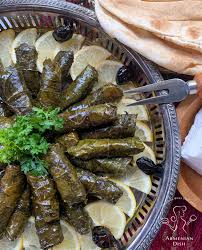
One of the staples of Armenian cuisine is lavash, a thin and soft flatbread that is enjoyed with various dishes. Another popular dish is dolma, which consists of grape leaves stuffed with a mixture of rice, minced meat, and herbs. Khorovats, or Armenian barbecue, is a beloved favourite that features grilled meats marinated in a blend of spices.

Vegetables play a prominent role in Armenian cooking, with eggplant being a star ingredient in dishes like ajapsandali (vegetable stew) and badrijani (stuffed eggplant). Lentils and bulgur are commonly used in soups and salads, adding depth and nutrition to the cuisine.

No Armenian meal is complete without dessert. Pakhlava, a sweet pastry made with layers of nuts and honey, is a popular treat during special occasions. Gata, a sweet bread filled with sugar and nuts, is another indulgent delight that showcases the artistry of Armenian bakers.

Armenian cuisine not only delights the taste buds but also tells a story of resilience and creativity. The use of fresh ingredients, aromatic spices, and traditional cooking methods all contribute to the unique identity of Armenian food.

Whether you are savouring a comforting bowl of harissa (chicken and wheat porridge) or enjoying the tangy flavours of matnakash (sour yogurt soup), Armenian cuisine invites you to experience a true feast for the senses.


Exploring the Rich Tapestry of Armenian Cuisine: A Celebration of Flavour, Tradition, and Diversity

  1. Rich in flavour and aroma due to the use of fresh herbs and spices.
  2. Offers a variety of vegetarian dishes that are both nutritious and delicious.
  3. Showcases a blend of Middle Eastern, Mediterranean, and Caucasian culinary influences.
  4. Includes traditional bread like lavash, which is an essential part of every meal.
  5. Features hearty meat dishes such as khorovats (barbecue) that are grilled to perfection.
  6. Incorporates unique ingredients like pomegranate seeds, apricots, and walnuts for added texture and taste.
  7. Boasts a range of sweet desserts like baklava and gata that satisfy any sweet tooth.
  8. Reflects the agricultural abundance of Armenia with farm-fresh produce and dairy products.
  9. Celebrates seasonal festivals with special dishes that have been cherished for centuries.


Considerations of Armenian Cuisine: Hearty Portions, Preparation Time, Ingredient Accessibility, and Dietary Preferences

  1. Armenian cuisine can be quite heavy and calorie-dense, which may not suit those looking for lighter meal options.
  2. Some traditional Armenian dishes require intricate preparation techniques and long cooking times, making them time-consuming to prepare.
  3. Certain Armenian dishes contain ingredients that may be less familiar or accessible outside of Armenia, making it challenging to replicate the authentic flavours.
  4. The use of animal fats and oils in some Armenian recipes may not align with dietary preferences or restrictions of certain individuals.

Rich in flavour and aroma due to the use of fresh herbs and spices.

Armenian cuisine stands out for its exceptional richness in flavour and aroma, attributed to the meticulous use of fresh herbs and spices. The vibrant culinary tradition of Armenia incorporates a diverse array of aromatic herbs such as mint, parsley, coriander, and dill, enhancing the taste profile of dishes with their fragrant notes. Additionally, a harmonious blend of spices like cumin, paprika, cinnamon, and sumac infuse each recipe with depth and complexity, creating a sensory experience that is both captivating and unforgettable. The careful selection and expert combination of these fresh ingredients elevate Armenian cuisine to a level of culinary excellence that delights the palate and tantalizes the senses.

Offers a variety of vegetarian dishes that are both nutritious and delicious.

Armenian cuisine shines in its ability to cater to vegetarians with a diverse array of dishes that are not only nutritious but also bursting with delicious flavours. From hearty vegetable stews like ajapsandali to flavourful lentil soups and fresh salads, Armenian cuisine showcases the art of creating satisfying meat-free meals that appeal to both the palate and the health-conscious diner. With a focus on using fresh produce, aromatic herbs, and wholesome grains, Armenian vegetarian dishes offer a delightful culinary experience that celebrates the abundance of plant-based ingredients in a truly delectable way.

Showcases a blend of Middle Eastern, Mediterranean, and Caucasian culinary influences.

Armenian cuisine shines brightly as it beautifully showcases a harmonious blend of Middle Eastern, Mediterranean, and Caucasian culinary influences. This unique fusion of flavours and techniques creates a diverse and vibrant gastronomic experience that sets Armenian food apart. From the aromatic spices reminiscent of Middle Eastern dishes to the fresh seafood and olive oil typical of Mediterranean cuisine, and the hearty meats and dairy products characteristic of Caucasian fare, Armenian culinary traditions offer a delightful tapestry of tastes that cater to a wide range of palates.

Includes traditional bread like lavash, which is an essential part of every meal.

Armenian cuisine boasts a captivating pro with its inclusion of traditional bread like lavash, a staple that holds significant cultural importance and is considered an essential part of every meal. This thin and soft flatbread not only serves as a versatile accompaniment to various dishes but also symbolizes the deep-rooted traditions and heritage of Armenia. Its presence on the dining table signifies the warmth and hospitality that are integral to Armenian culinary customs, making every meal a wholesome experience enriched by the comforting presence of lavash.

Features hearty meat dishes such as khorovats (barbecue) that are grilled to perfection.

Armenian cuisine shines with its hearty meat dishes, exemplified by the mouth-watering khorovats, a type of barbecue that showcases the art of grilling to perfection. The tender and flavourful meats, marinated with a blend of aromatic spices, are expertly grilled to create a smoky and succulent dish that is a true delight for meat lovers. The tradition of khorovats not only highlights the culinary skills of Armenian cooks but also embodies the spirit of communal gatherings and celebrations where friends and family come together to savour these delicious grilled delicacies.

Incorporates unique ingredients like pomegranate seeds, apricots, and walnuts for added texture and taste.

Armenian cuisine stands out for its innovative use of distinctive ingredients such as pomegranate seeds, apricots, and walnuts, which elevate dishes with their unique textures and flavours. The sweet-tart burst of pomegranate seeds adds a refreshing contrast to savoury dishes, while apricots bring a subtle sweetness that enhances the overall taste profile. Walnuts, with their rich nuttiness and crunch, provide depth and complexity to various recipes. By incorporating these special ingredients, Armenian cuisine not only showcases creativity but also offers a truly unforgettable culinary experience.

Boasts a range of sweet desserts like baklava and gata that satisfy any sweet tooth.

Armenian cuisine boasts a delightful range of sweet desserts, such as baklava and gata, that are sure to satisfy any sweet tooth. Baklava, with its layers of flaky pastry, nuts, and honey, offers a perfect balance of crunchy texture and sweet indulgence. On the other hand, gata, a traditional Armenian sweet bread filled with sugar and nuts, showcases the country’s expertise in creating delectable treats. Whether you prefer the nutty richness of baklava or the comforting sweetness of gata, Armenian desserts are a true delight for those with a penchant for sugary delights.

Reflects the agricultural abundance of Armenia with farm-fresh produce and dairy products.

Armenian cuisine shines brightly in its reflection of the agricultural abundance of Armenia, boasting a wealth of farm-fresh produce and dairy products. From vibrant fruits and vegetables cultivated in fertile lands to creamy cheeses and yoghurts sourced from local dairy farms, Armenian dishes are a celebration of the bountiful harvests that grace the country’s landscapes. This emphasis on using high-quality, locally-sourced ingredients not only enhances the flavours of traditional Armenian recipes but also underscores the deep connection between the people and the land they call home.

Celebrates seasonal festivals with special dishes that have been cherished for centuries.

Armenian cuisine shines brightly in its tradition of celebrating seasonal festivals with special dishes that have been cherished for centuries. Each festival brings an array of unique culinary delights that reflect the bounty of the season and the cultural significance of the occasion. From Easter to New Year’s, Armenians gather around tables filled with dishes steeped in history and symbolism, creating a sense of connection to their heritage and community through the shared experience of enjoying these time-honoured recipes.

Armenian cuisine can be quite heavy and calorie-dense, which may not suit those looking for lighter meal options.

Armenian cuisine, while rich in flavour and tradition, is often characterised by its hearty and calorie-dense nature. This aspect of Armenian food may not be ideal for individuals seeking lighter meal options or watching their calorie intake. Dishes like khorovats (barbecue) and dolma (stuffed grape leaves) are delicious but can be quite filling and high in calories. For those with dietary preferences towards lighter fare, exploring lighter variations or smaller portions of Armenian dishes may be a more suitable approach to enjoy the diverse flavours of this cuisine without compromising on health goals.

Some traditional Armenian dishes require intricate preparation techniques and long cooking times, making them time-consuming to prepare.

Traditional Armenian cuisine, while rich in flavour and cultural significance, poses a challenge with its intricate preparation techniques and lengthy cooking times. The dedication and patience required to master these recipes can be daunting for modern-day cooks seeking quick and convenient meal options. From labor-intensive dishes like dolma to slow-cooked stews such as harissa, the time commitment involved in preparing authentic Armenian meals may deter individuals looking for more efficient culinary experiences. Despite this con, the reward of savouring a meticulously crafted Armenian dish often outweighs the time invested in its creation, offering a taste of tradition and history with every bite.

Certain Armenian dishes contain ingredients that may be less familiar or accessible outside of Armenia, making it challenging to replicate the authentic flavours.

In exploring Armenian cuisine, one notable challenge arises from the use of ingredients that may be less familiar or readily available outside of Armenia. The authenticity of certain Armenian dishes relies on specific components that contribute to their distinct flavours and textures. This can pose a hurdle for those seeking to replicate traditional recipes outside the country, as sourcing these unique ingredients may prove difficult. The essence of Armenian cuisine lies in its regional produce and culinary heritage, making it a rewarding yet sometimes challenging endeavour to recreate the true essence of these dishes beyond Armenia’s borders.

The use of animal fats and oils in some Armenian recipes may not align with dietary preferences or restrictions of certain individuals.

In Armenian cuisine, a potential drawback for some individuals lies in the use of animal fats and oils in certain recipes. This aspect may not align with the dietary preferences or restrictions of those following specific dietary guidelines or seeking to reduce their intake of animal products. While these ingredients contribute to the rich and indulgent flavours characteristic of Armenian dishes, individuals with dietary considerations may need to exercise caution or seek alternative options to fully enjoy the culinary delights of Armenian cuisine.

Exploring the Exquisite Cuisine of Armenia

cuisine

The Culinary Delights of Armenia

Armenian cuisine is a true reflection of the country’s rich history, vibrant culture, and diverse influences. With a blend of flavours, spices, and traditional cooking methods passed down through generations, Armenian food holds a special place in the hearts of both locals and visitors.

One of the most iconic dishes in Armenian cuisine is khorovats, a type of barbecue that features skewered meat grilled to perfection over open flames. The smoky aroma and tender texture of khorovats are a testament to the skill and dedication that goes into preparing this beloved dish.

Another staple in Armenian cuisine is dolma, which consists of grape leaves stuffed with a mixture of rice, minced meat, herbs, and spices. This dish showcases the intricate flavours and meticulous craftsmanship that define Armenian cooking.

Armenia is also known for its delectable pastries, such as gata (sweet bread) and pakhlava (a type of baklava). These desserts are often enjoyed during special occasions and celebrations, adding a touch of sweetness to gatherings with family and friends.

Moreover, Armenian cuisine features an abundance of fresh fruits, vegetables, herbs, and dairy products that are sourced locally and used to create wholesome dishes bursting with flavour. From hearty stews to refreshing salads, Armenian food offers something for every palate.

Whether you’re indulging in traditional dishes at a local restaurant or exploring the bustling markets filled with fresh produce and aromatic spices, the culinary journey in Armenia is sure to leave you craving more. So next time you find yourself in this enchanting country, be sure to savour the culinary delights that await you.


Exploring Culture, Creativity, and Connection: The Benefits of Cuisine

  1. Cuisine allows us to explore different cultures through their unique flavours and ingredients.
  2. Cooking and enjoying delicious meals can be a creative and fulfilling experience for individuals of all skill levels.
  3. Sharing a meal with loved ones fosters connections and strengthens relationships.
  4. Eating well-balanced and nutritious cuisine is essential for maintaining good health and well-being.
  5. Discovering new dishes and culinary techniques can broaden our culinary horizons and expand our palate.


Five Drawbacks of Cuisine: Health Risks, Nutritional Imbalances, and Accessibility Challenges

  1. Highly processed foods can be detrimental to health
  2. Excessive consumption of certain cuisines may lead to nutritional imbalances
  3. Food allergies and intolerances can limit options for some individuals
  4. Some cuisines may be high in saturated fats and sugars, posing risks for heart health
  5. Availability of authentic ingredients for certain cuisines may be limited in certain regions

Cuisine allows us to explore different cultures through their unique flavours and ingredients.

Exploring different cultures through their unique flavours and ingredients is one of the most captivating aspects of cuisine. Each dish tells a story, reflecting the history, traditions, and values of a particular culture. By immersing ourselves in diverse culinary experiences, we not only satisfy our taste buds but also gain a deeper understanding and appreciation for the world around us. From spicy curries to delicate pastries, every bite offers a glimpse into the soul of a community, making cuisine a powerful tool for cultural exploration and connection.

Cooking and enjoying delicious meals can be a creative and fulfilling experience for individuals of all skill levels.

Embarking on the culinary journey of cooking and savouring delicious meals can offer a creative and fulfilling experience for individuals, regardless of their skill level. From experimenting with new ingredients and flavour combinations to honing cooking techniques and presentation skills, the process of preparing a meal allows for personal expression and exploration. Whether it’s mastering a complex recipe or simply enjoying the satisfaction of a homemade dish, the joy of creating something nourishing and delightful in the kitchen transcends expertise, making it a rewarding endeavour for all who partake.

Sharing a meal with loved ones fosters connections and strengthens relationships.

Sharing a meal with loved ones is a cherished tradition that goes beyond simply satisfying hunger. It provides an opportunity to bond, engage in meaningful conversations, and create lasting memories together. The act of coming together around a table to enjoy delicious food fosters connections and strengthens relationships by fostering a sense of unity and togetherness. Whether it’s a casual dinner at home or a festive gathering during special occasions, the shared experience of dining with loved ones nourishes both the body and the soul, creating moments that are treasured for years to come.

Eating well-balanced and nutritious cuisine is essential for maintaining good health and well-being.

Consuming a well-balanced and nutritious cuisine plays a crucial role in sustaining optimal health and overall well-being. By incorporating a variety of nutrient-rich foods into our diet, we provide our bodies with the essential vitamins, minerals, and antioxidants needed to support vital functions and promote longevity. A diet rich in fruits, vegetables, whole grains, lean proteins, and healthy fats not only fuels our bodies but also helps to prevent chronic diseases, boost immunity, and enhance our energy levels. Making mindful choices about what we eat can have a profound impact on our physical health, mental clarity, and emotional balance, ultimately leading to a more vibrant and fulfilling life.

Discovering new dishes and culinary techniques can broaden our culinary horizons and expand our palate.

Exploring unfamiliar dishes and culinary techniques can be a delightful adventure that enriches our gastronomic experiences and introduces us to a world of diverse flavours and textures. By stepping outside our culinary comfort zones, we open ourselves up to new tastes and traditions that not only broaden our palate but also deepen our appreciation for the artistry and creativity behind different cuisines. Embracing the discovery of new dishes can truly expand our culinary horizons, allowing us to savour the joys of experimentation and cultural exploration through the universal language of food.

Highly processed foods can be detrimental to health

Consuming highly processed foods poses a significant con to cuisine as it can have detrimental effects on health. These foods are often loaded with unhealthy additives, preservatives, and excessive amounts of sugar, salt, and unhealthy fats. Regular consumption of such processed foods has been linked to various health issues, including obesity, heart disease, diabetes, and other chronic conditions. By prioritising fresh, whole ingredients and minimising the intake of heavily processed foods, individuals can make healthier choices that support their overall well-being and longevity.

Excessive consumption of certain cuisines may lead to nutritional imbalances

Excessive consumption of certain cuisines can potentially lead to nutritional imbalances, posing risks to one’s overall health and well-being. Diets high in processed foods, saturated fats, sugars, and sodium may contribute to deficiencies in essential nutrients such as vitamins, minerals, and fibre. These imbalances can increase the likelihood of developing various health issues, including obesity, heart disease, diabetes, and other chronic conditions. It is crucial to maintain a balanced diet that incorporates a variety of nutrient-rich foods to support optimal health and prevent the negative consequences associated with overindulging in less nutritious cuisines.

Food allergies and intolerances can limit options for some individuals

Food allergies and intolerances can indeed pose a significant challenge for individuals when it comes to enjoying cuisine. For those affected, the need to carefully navigate menus and ingredients can limit their dining options and potentially restrict them from fully experiencing the diverse flavours and dishes that a culinary scene has to offer. This con highlights the importance of awareness and accommodation in the food industry to ensure that everyone, regardless of their dietary restrictions, can still partake in the joy of exploring different cuisines in a safe and inclusive manner.

Some cuisines may be high in saturated fats and sugars, posing risks for heart health

Some cuisines, while delicious and flavourful, may pose risks to heart health due to their high content of saturated fats and sugars. Consuming foods rich in these components regularly can contribute to elevated cholesterol levels and increased risk of heart disease. It is important to be mindful of the ingredients and cooking methods used in certain cuisines to make healthier choices that support overall cardiovascular well-being. Balancing indulgence with moderation and incorporating nutrient-rich alternatives can help mitigate the potential negative impact on heart health associated with such culinary practices.

Availability of authentic ingredients for certain cuisines may be limited in certain regions

The availability of authentic ingredients for certain cuisines may pose a challenge in specific regions, limiting the ability to recreate traditional dishes with true authenticity. Factors such as climate, local agricultural practices, and import restrictions can impact the sourcing of key ingredients essential for certain cuisines. This limitation may lead to adaptations or substitutions in recipes, altering the original flavours and textures that define a particular culinary tradition. As a result, enthusiasts and chefs in these regions may need to get creative or explore alternative options to capture the essence of a cuisine when faced with ingredient scarcity.

Creative Culinary Creations: Exploring Exquisite Recipes

recipes

The Art of Cooking: Exploring Delicious Recipes

Cooking is not just about preparing food; it is a form of art that allows us to express creativity and passion in the kitchen. One of the joys of cooking lies in discovering new recipes and experimenting with different flavours and ingredients.

Traditional Delights

Many cultures around the world have their own traditional recipes that have been passed down through generations. These recipes often reflect the unique heritage and culinary practices of a particular region.

Exploring Flavours

From spicy curries to delicate pastries, there is a vast array of flavours to explore in the world of cooking. Each ingredient adds its own distinct taste, creating a harmonious blend that tantalises the taste buds.

Tips and Tricks

When trying out new recipes, it’s important to be open to experimentation. Don’t be afraid to adjust seasonings or substitute ingredients to suit your preferences. Cooking is a journey of discovery, so embrace the process with enthusiasm!

Culinary Creativity

Whether you’re a seasoned chef or a novice in the kitchen, there is always room for creativity when it comes to cooking. Feel free to add your own personal touch to recipes, turning them into signature dishes that reflect your individual style.

The Joy of Sharing

One of the most rewarding aspects of cooking is sharing your creations with others. Whether it’s hosting a dinner party or simply treating your loved ones to a home-cooked meal, food has a way of bringing people together and creating lasting memories.

So why not embark on a culinary adventure today? Explore new recipes, unleash your creativity in the kitchen, and savour the delightful flavours that await you!


9 Essential Tips for Perfecting Your Recipes

  1. Read the recipe thoroughly before starting.
  2. Ensure you have all the ingredients and tools needed.
  3. Follow measurements accurately for best results.
  4. Prep ingredients before cooking to save time.
  5. Taste and adjust seasoning as you go along.
  6. Don’t overcrowd the pan when cooking to avoid steaming instead of browning.
  7. Let meat rest after cooking for juicier results.
  8. Clean as you cook to make post-meal cleanup easier.
  9. Experiment with flavours and techniques to make the recipe your own.

Read the recipe thoroughly before starting.

Before embarking on any culinary journey, it is essential to heed the wise advice of reading the recipe thoroughly before commencing. By taking the time to familiarise oneself with the ingredients, measurements, and cooking instructions, one sets the foundation for a successful cooking experience. This simple yet crucial step not only ensures a smoother cooking process but also allows for better preparation and understanding of the dish at hand. So, before donning your apron and reaching for the pots and pans, take a moment to absorb the recipe in its entirety – your taste buds will thank you later.

Ensure you have all the ingredients and tools needed.

It is essential to ensure you have all the necessary ingredients and tools before starting a recipe. Having everything prepared and within reach not only saves time but also ensures a smooth cooking process. By checking and organizing your ingredients and equipment beforehand, you can focus on the cooking method and enjoy the creative aspect of preparing a delicious dish without interruptions or last-minute stress. This simple tip can make a significant difference in the outcome of your culinary creations.

Follow measurements accurately for best results.

It is crucial to follow measurements accurately when preparing recipes to achieve the best results. Precision in measuring ingredients ensures that the flavours and textures of the dish are perfectly balanced. Whether it’s a pinch of salt or a cup of flour, each measurement plays a vital role in creating a delicious and well-executed dish. By adhering to the specified measurements, you can enhance the overall quality of your cooking and elevate your culinary creations to new heights.

Prep ingredients before cooking to save time.

When it comes to cooking efficiently, a valuable tip is to prepare all your ingredients before you start cooking. This simple yet effective practice not only saves time during the cooking process but also ensures that you have everything ready and within reach. By prepping ingredients in advance, you can focus on the cooking itself, leading to a smoother and more enjoyable culinary experience.

Taste and adjust seasoning as you go along.

When preparing a dish, it is essential to taste and adjust the seasoning as you progress. By regularly sampling the flavours during cooking, you can ensure that the dish reaches the perfect balance of taste and seasoning. This tip allows you to fine-tune the flavour profile according to your preferences, resulting in a delicious and well-seasoned meal that will delight your taste buds.

Don’t overcrowd the pan when cooking to avoid steaming instead of browning.

To ensure optimal browning and flavour development in your dishes, it is essential to avoid overcrowding the pan while cooking. By allowing enough space between ingredients, you prevent them from steaming instead of achieving a desirable caramelised texture. This simple tip not only enhances the visual appeal of your culinary creations but also ensures that each ingredient cooks evenly and retains its natural flavours. So, remember to give your ingredients room to breathe in the pan for delicious results every time.

Let meat rest after cooking for juicier results.

For juicier and more flavourful results, it is essential to allow meat to rest after cooking. This crucial step allows the juices within the meat to redistribute, ensuring a tender and succulent texture. By giving the meat time to rest, you enhance its overall taste and juiciness, creating a more enjoyable dining experience. So next time you cook meat, remember the importance of letting it rest before serving to savour the delicious results.

Clean as you cook to make post-meal cleanup easier.

Cleaning as you cook is a valuable tip that can significantly streamline the post-meal cleanup process. By tidying up spills, washing utensils, and wiping down surfaces while preparing a meal, you not only maintain a neat and organised cooking environment but also reduce the amount of cleaning required once the meal is served. This efficient practice not only saves time but also allows you to fully enjoy your culinary creations without the looming task of a messy kitchen afterwards.

Experiment with flavours and techniques to make the recipe your own.

When it comes to cooking, a valuable tip is to experiment with flavours and techniques to make the recipe your own. By adding a personal touch through innovative ingredient combinations or unique cooking methods, you can elevate a dish to reflect your individual taste and style. Embracing creativity in the kitchen allows for a truly bespoke culinary experience that not only enhances the flavour profile but also showcases your passion for cooking.