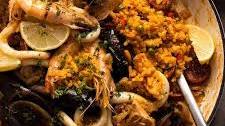
Savoury Delights: A Delectable Meatball Recipe for Every Occasion

meatball recipe

The Perfect Meatball Recipe: A Culinary Delight

Meatballs are a classic dish that never fails to satisfy the taste buds. Whether served with pasta, in a sandwich, or on their own, meatballs are a versatile and delicious option for any meal. If you’re looking to elevate your culinary skills and impress your guests, look no further than this perfect meatball recipe.

Ingredients:

  • 500g minced beef
  • 1 onion, finely chopped
  • 2 cloves of garlic, minced
  • 1/2 cup breadcrumbs
  • 1/4 cup grated Parmesan cheese
  • 1 egg
  • 1 teaspoon dried oregano
  • Salt and pepper to taste
  • Olive oil for frying

Instructions:

  1. In a large bowl, combine the minced beef, onion, garlic, breadcrumbs, Parmesan cheese, egg, oregano, salt, and pepper. Mix well until all ingredients are evenly incorporated.
  2. Using your hands, shape the mixture into small meatballs of equal size.
  3. Heat olive oil in a pan over medium heat. Add the meatballs in batches and cook until browned on all sides.
  4. Once cooked through, remove the meatballs from the pan and place them on a paper towel to drain any excess oil.

    Serve hot with your favourite sauce or accompaniment.

These homemade meatballs are sure to be a hit at your next gathering. The combination of flavours and textures will leave everyone coming back for more. Enjoy the satisfaction of creating a delicious meal from scratch with this perfect meatball recipe!


7 Essential Tips for Perfectly Flavoured and Tender Meatballs

  1. Use a combination of beef and pork mince for best flavour.
  2. Add finely chopped onions and garlic to enhance the taste.
  3. Mix in breadcrumbs soaked in milk to keep the meatballs moist.
  4. Season generously with salt, pepper, and herbs like parsley or oregano.
  5. Roll the meatballs gently to avoid making them dense and tough.
  6. Brown the meatballs in a hot pan before finishing cooking in sauce for extra flavour.
  7. Allow the meatballs to rest for a few minutes before serving to let the flavours settle.

Use a combination of beef and pork mince for best flavour.

For the best flavour in your meatball recipe, consider using a combination of beef and pork mince. The blend of these two meats adds depth and richness to the dish, creating a more complex and satisfying taste experience. The beef provides a robust flavour, while the pork adds tenderness and juiciness to the meatballs. By combining these two types of mince, you can elevate the overall taste profile of your meatballs and impress your guests with a delicious culinary creation.

Add finely chopped onions and garlic to enhance the taste.

To enhance the flavour profile of your meatball recipe, consider adding finely chopped onions and garlic. These aromatic ingredients not only bring a depth of flavour to the dish but also provide a subtle sweetness and savouriness that complement the meat perfectly. The onions add a tender texture, while the garlic infuses a rich, earthy taste. Incorporating these elements into your meatball mixture will elevate the overall taste and ensure a satisfying culinary experience for you and your guests.

Mix in breadcrumbs soaked in milk to keep the meatballs moist.

To ensure your meatballs turn out moist and tender, a helpful tip is to mix breadcrumbs soaked in milk into the meat mixture. The breadcrumbs act as a binding agent while the milk adds moisture, resulting in meatballs that are juicy and flavourful. This simple yet effective technique helps to prevent the meatballs from becoming dry during cooking, enhancing their overall texture and taste. Give this tip a try next time you prepare meatballs for a delectable dining experience.

Season generously with salt, pepper, and herbs like parsley or oregano.

For a flavourful and aromatic twist to your meatball recipe, remember to season generously with a blend of salt, pepper, and fragrant herbs such as parsley or oregano. These simple yet essential additions not only enhance the taste of the meatballs but also elevate the overall dining experience. The combination of savoury seasoning and aromatic herbs will create a delicious harmony that will leave your taste buds craving for more.

Roll the meatballs gently to avoid making them dense and tough.

When preparing your meatball recipe, it is essential to handle the mixture with care. A helpful tip to keep in mind is to roll the meatballs gently. By doing so, you can avoid compacting the meat too tightly, which can result in dense and tough meatballs. This simple technique helps maintain a light and tender texture, ensuring that your meatballs turn out perfectly succulent and flavourful.

Brown the meatballs in a hot pan before finishing cooking in sauce for extra flavour.

For an extra burst of flavour, a great tip to enhance your meatball recipe is to brown the meatballs in a hot pan before finishing cooking them in sauce. This step not only adds a rich caramelized exterior to the meatballs but also helps seal in the juices, resulting in a more succulent and flavourful end result. By taking the time to brown the meatballs first, you’ll elevate the overall taste and texture of your dish, making it a truly memorable culinary experience for all who indulge.

Allow the meatballs to rest for a few minutes before serving to let the flavours settle.

Allowing the meatballs to rest for a few minutes before serving is a crucial step in ensuring that the flavours fully develop and harmonize. This short resting period allows the juices to redistribute within the meatballs, resulting in a more tender and flavourful bite. By exercising patience and letting the meatballs settle, you enhance the overall dining experience, allowing your guests to savour every delicious aspect of this delectable dish.

Delicious Paella Recipe: A Taste of Spain in Your Kitchen

paella recipe

The Perfect Paella Recipe

Paella is a beloved Spanish dish that has captured the hearts and taste buds of people around the world. This iconic dish, originating from Valencia, is a delicious medley of rice, saffron, vegetables, and various proteins. Here’s how you can recreate the magic of authentic paella in your own kitchen.

Ingredients:

  • 400g paella rice
  • 800ml chicken or vegetable stock
  • 200g chicken thighs, diced
  • 150g chorizo sausage, sliced
  • 1 onion, finely chopped
  • 2 garlic cloves, minced
  • 1 red bell pepper, sliced
  • 100g green beans, trimmed and halved
  • A pinch of saffron threads
  • Salt and pepper to taste
  • Olive oil for cooking

Instructions:

  1. In a paella pan or large skillet, heat olive oil over medium heat. Add the chicken and chorizo, and cook until browned.
  2. Add the onion, garlic, red pepper, and green beans to the pan. Sauté until the vegetables are softened.

    Note: Traditional paella pans are wide and shallow to allow the rice to cook evenly.

Buen provecho!

Buen provecho!

Buen provecho!

Buen provecho!

Buen provecho!


Essential Paella FAQs: Rice, Ingredients, Cooking Techniques, and Alternatives

  1. 1. What type of rice is best for paella?
  2. 2. Can I make paella without saffron?
  3. 3. Is seafood essential in a traditional paella recipe?
  4. 4. How do I achieve the perfect socarrat in my paella?
  5. 5. Can I use a regular skillet instead of a paella pan?
  6. 6. Are there any vegetarian or vegan alternatives to the classic paella recipe?

1. What type of rice is best for paella?

When it comes to making paella, choosing the right type of rice is crucial to achieving the perfect texture and flavour. The best rice for paella is a short-grain variety such as Bomba or Calasparra rice. These types of rice are able to absorb more liquid without becoming mushy, resulting in a dish with distinct grains that are not overly sticky. The unique texture of these rice varieties helps to create the signature consistency of paella, allowing it to soak up the rich flavours of the broth and ingredients while remaining firm and separate.

2. Can I make paella without saffron?

Many people wonder whether they can make paella without saffron, a key ingredient known for its distinct flavour and vibrant colour. While saffron plays a significant role in traditional paella recipes, it is possible to create a delicious variation of the dish without it. You can experiment with alternative seasonings or spices to add depth and complexity to your paella, ensuring that it still captures the essence of this iconic Spanish dish.

3. Is seafood essential in a traditional paella recipe?

In a traditional paella recipe, seafood is often considered a key ingredient that adds depth and richness to the dish. While seafood, such as prawns, mussels, and squid, is commonly included in seafood paella variations, it is not necessarily essential in all traditional paella recipes. The beauty of paella lies in its versatility, allowing for different regional and personal interpretations. Some traditional paellas may focus more on chicken, rabbit, or vegetables as the main ingredients, showcasing the diverse culinary influences found across various regions of Spain. Ultimately, whether seafood is included or not, what truly matters is the careful balance of flavours and textures that make each paella unique and delicious.

4. How do I achieve the perfect socarrat in my paella?

Achieving the perfect socarrat in your paella is a key element to mastering this iconic Spanish dish. Socarrat refers to the caramelized crust that forms on the bottom of the paella pan, adding a depth of flavour and texture to the dish. To achieve the coveted socarrat, it is essential to increase the heat towards the end of cooking, allowing the rice to crisp up and develop that characteristic golden-brown crust. Patience and attention are crucial as you listen for the sizzling sound that indicates the socarrat is forming. By mastering this technique, you can elevate your paella to an authentic and delicious culinary experience.

5. Can I use a regular skillet instead of a paella pan?

When it comes to making paella, using a regular skillet as a substitute for a traditional paella pan is possible, but it may affect the final result. Paella pans are wide and shallow, allowing the rice to cook evenly and develop that signature socarrat (crispy bottom layer). A regular skillet may not provide the same surface area for the rice to spread out, potentially leading to uneven cooking or a lack of that coveted crispy texture. However, if a paella pan is not available, a skillet can still be used with some adjustments in cooking time and technique to achieve a delicious paella dish.

6. Are there any vegetarian or vegan alternatives to the classic paella recipe?

For those seeking vegetarian or vegan alternatives to the classic paella recipe, there are indeed delicious options available. Instead of using meat or seafood, you can incorporate a variety of plant-based ingredients such as artichokes, mushrooms, peas, and bell peppers to create a flavoursome and satisfying dish. By replacing chicken or seafood stock with vegetable stock and omitting animal products, you can enjoy a mouth-watering vegetarian or vegan paella that retains the essence of this iconic Spanish dish while catering to different dietary preferences.

Delightful Chicken Recipes to Elevate Your Culinary Experience

chicken recipes

The Ultimate Guide to Delicious Chicken Recipes

Chicken is a versatile and delicious protein that can be prepared in countless ways to suit every taste palate. Whether you prefer classic comfort food dishes or exotic flavours, there is a chicken recipe out there for you. Here are some mouth-watering chicken recipes to inspire your next culinary adventure:

Classic Roast Chicken

A timeless favourite, roast chicken is a simple yet satisfying dish that never fails to impress. Season the chicken with herbs, garlic, and lemon, then roast until golden brown and juicy.

Spicy Chicken Curry

For those who crave bold flavours, a spicy chicken curry is the perfect choice. Simmer tender chicken pieces in a fragrant blend of spices, coconut milk, and tomatoes for a dish that will warm both body and soul.

Lemon Herb Grilled Chicken

Fire up the grill for a summery delight – lemon herb grilled chicken. Marinate the chicken in a zesty mixture of lemon juice, olive oil, garlic, and fresh herbs before grilling to perfection.

Crispy Fried Chicken

No list of chicken recipes would be complete without crispy fried chicken. Coat succulent chicken pieces in seasoned flour and fry until golden and crunchy for a finger-licking good meal.

Chicken Alfredo Pasta

If you’re craving comfort food, look no further than creamy chicken Alfredo pasta. Toss tender pieces of chicken with fettuccine pasta in a rich Alfredo sauce for a decadent treat.

Whether you’re cooking for yourself or hosting a dinner party, these delicious chicken recipes are sure to please. Get creative in the kitchen and experiment with different ingredients and seasonings to make each dish your own!

Explore more delightful recipes at voce-armena.info!


Nine Reasons Why Chicken Recipes Are a Must-Have in Your Culinary Repertoire

  1. Chicken is a lean protein source that supports muscle growth and repair.
  2. Chicken is versatile and can be cooked in various ways to suit different tastes.
  3. Chicken cooks relatively quickly, making it ideal for busy weeknight meals.
  4. Chicken pairs well with a wide range of ingredients, allowing for endless flavour combinations.
  5. Chicken is budget-friendly and widely available in most grocery stores.
  6. Chicken can be adapted to fit different dietary preferences, such as low-carb or gluten-free diets.
  7. Chicken is a great source of essential nutrients like protein, vitamins B6 and B12, and zinc.
  8. Chicken recipes are often simple and straightforward, making them accessible to home cooks of all skill levels.
  9. Cooking chicken at home allows you to control the quality of ingredients and tailor the dish to your preferences.


Challenges of Cooking Chicken: Avoiding Dryness, Managing Complexity, and Balancing Nutrition

  1. Chicken can easily become dry if overcooked, requiring careful monitoring during the cooking process.
  2. Some chicken recipes can be time-consuming and labor-intensive, involving multiple steps and ingredients.
  3. Certain chicken dishes may be high in calories and fat, especially those that involve frying or heavy cream-based sauces.

Chicken is a lean protein source that supports muscle growth and repair.

Chicken is a fantastic choice when it comes to maintaining a healthy diet, as it is a lean protein source that plays a crucial role in supporting muscle growth and repair. Packed with essential nutrients and low in fat, chicken provides the necessary building blocks for strong muscles while aiding in the recovery process after physical activity. Incorporating chicken into your meals not only promotes overall health but also helps you achieve your fitness goals effectively.

Chicken is versatile and can be cooked in various ways to suit different tastes.

Chicken is a remarkably versatile ingredient that lends itself to a wide array of culinary possibilities. Its mild flavour and adaptable texture make it perfect for a diverse range of cooking methods, from roasting and grilling to stir-frying and stewing. Whether you prefer spicy curries, comforting casseroles, or light salads, chicken can be transformed to suit any taste preference with the right combination of herbs, spices, and cooking techniques. Its ability to take on different flavours and styles makes chicken a beloved choice for home cooks and professional chefs alike seeking to create dishes that cater to a variety of palates.

Chicken cooks relatively quickly, making it ideal for busy weeknight meals.

One of the key advantages of chicken recipes is the quick cooking time that chicken offers, making it a perfect choice for busy weeknight meals. Whether you’re grilling, roasting, or stir-frying, chicken cooks up swiftly compared to other proteins, allowing you to prepare a delicious and nutritious meal in no time. This convenience makes chicken an excellent option for those hectic days when you need a speedy yet satisfying dinner without compromising on flavour or quality.

Chicken pairs well with a wide range of ingredients, allowing for endless flavour combinations.

Chicken’s versatility shines through its ability to complement a diverse array of ingredients, paving the way for an infinite spectrum of flavour combinations. Whether it’s being paired with zesty citrus fruits, aromatic herbs, creamy sauces, or bold spices, chicken effortlessly adapts to various culinary influences. This flexibility not only makes chicken recipes a delight to cook but also offers endless opportunities for creativity in the kitchen, ensuring that every dish is a unique and delicious experience.

Chicken is budget-friendly and widely available in most grocery stores.

Chicken is a popular choice for home cooks due to its affordability and widespread availability in most grocery stores. Whether you’re planning a family meal or a dinner party, chicken offers a cost-effective option without compromising on taste or versatility. Its accessibility makes it easy to incorporate into a variety of dishes, from simple weeknight dinners to elaborate culinary creations, making it a go-to ingredient for many cooking enthusiasts.

Chicken can be adapted to fit different dietary preferences, such as low-carb or gluten-free diets.

Chicken is a versatile ingredient that offers the flexibility to cater to various dietary preferences, making it a popular choice for those following specific eating plans like low-carb or gluten-free diets. Whether grilled, roasted, or stir-fried, chicken can be easily adapted with different seasonings and accompaniments to create delicious and satisfying meals that align with individual dietary needs. Its ability to be transformed into a wide range of dishes while remaining nutritious and flavourful makes chicken a go-to option for those looking to maintain a healthy lifestyle without compromising on taste.

Chicken is a great source of essential nutrients like protein, vitamins B6 and B12, and zinc.

Chicken is not only a versatile ingredient for a variety of delicious dishes, but it also serves as a fantastic source of essential nutrients. Packed with high-quality protein, vitamins B6 and B12, as well as zinc, chicken offers a nutritious boost to any diet. Incorporating chicken into your meals not only adds flavour and texture but also provides vital nutrients that support overall health and well-being.

Chicken recipes are often simple and straightforward, making them accessible to home cooks of all skill levels.

Chicken recipes have a notable advantage in their simplicity and straightforwardness, which renders them highly accessible to home cooks of all skill levels. Whether you are a beginner in the kitchen or a seasoned chef, working with chicken allows for easy experimentation and adaptation to personal preferences. From basic roasting techniques to complex flavour combinations, chicken recipes offer a versatile canvas for culinary creativity, making them a popular choice for meals enjoyed by families and food enthusiasts alike.

Cooking chicken at home allows you to control the quality of ingredients and tailor the dish to your preferences.

By cooking chicken at home, you have the advantage of controlling the quality of ingredients used and customising the dish to suit your preferences. This level of control ensures that you can select fresh, high-quality chicken and choose seasonings and flavours that align perfectly with your taste buds. Whether you prefer a certain level of spice, a specific cooking method, or dietary restrictions, preparing chicken recipes at home empowers you to create a meal that is not only delicious but also tailored to meet your exact requirements.

Chicken can easily become dry if overcooked, requiring careful monitoring during the cooking process.

One common downside of cooking chicken is the risk of it becoming dry if overcooked. This issue necessitates vigilant attention and precise monitoring throughout the cooking process to ensure that the chicken remains tender and juicy. Overcooking can strip the chicken of its natural moisture, resulting in a less appetising texture and flavour. Therefore, it is crucial to follow cooking times and temperatures accurately to avoid this pitfall and enjoy perfectly cooked chicken dishes every time.

Some chicken recipes can be time-consuming and labor-intensive, involving multiple steps and ingredients.

Preparing certain chicken recipes can be a daunting task due to their time-consuming and labor-intensive nature. From marinating the chicken to executing intricate cooking techniques, these recipes often involve multiple steps and a long list of ingredients. While the end result may be delicious, the effort required to create these dishes can deter busy individuals looking for quick and easy meal options. Despite the challenges, dedicated cooks who are willing to invest time and energy in the kitchen can still enjoy the rewarding experience of crafting complex and flavourful chicken dishes.

Certain chicken dishes may be high in calories and fat, especially those that involve frying or heavy cream-based sauces.

Indulging in certain chicken dishes can come with a downside – they may be high in calories and fat, particularly those that require frying or are smothered in heavy cream-based sauces. While these dishes may be incredibly tempting and delicious, it’s important to enjoy them in moderation to maintain a balanced diet. Opting for healthier cooking methods like grilling, baking, or using lighter sauce alternatives can help reduce the calorie and fat content of your favourite chicken recipes without compromising on flavour.

Exploring Armenia’s Rich Cultural Heritage

armenia's cultural

The Rich Cultural Heritage of Armenia

Armenia, a country nestled in the Caucasus region, boasts a cultural heritage that is as diverse as it is ancient. From its traditional music and dance to its unique cuisine and craftsmanship, Armenia’s cultural tapestry is woven with threads of history, tradition, and resilience.

Music and Dance

Music and dance hold a special place in Armenian culture. The haunting melodies of the duduk, a traditional woodwind instrument, evoke emotions that resonate with the soul. Armenian folk dances, with their intricate footwork and vibrant costumes, tell stories of love, joy, and triumph.

Cuisine

Armenian cuisine is a reflection of the country’s rich agricultural heritage. Dishes like dolma (stuffed grape leaves), khorovats (barbecue), and lavash (flatbread) are not just meals but expressions of love and hospitality. Armenians take pride in their culinary traditions, passed down through generations.

Craftsmanship

The art of craftsmanship runs deep in Armenian culture. From intricate khachkars (stone crosses) to colourful ceramics and carpets, Armenian artisans showcase their skills through exquisite handiwork. Each piece tells a story of craftsmanship honed over centuries.

Language and Literature

The Armenian language is one of the oldest in the world, with a rich literary tradition to match. Works by renowned poets such as Hovhannes Shiraz and Paruyr Sevak capture the essence of Armenian identity and resilience. Literature has long been a source of pride for Armenians, preserving their stories for future generations.

In conclusion, Armenia’s cultural heritage is a treasure trove waiting to be explored. Its music, dance, cuisine, craftsmanship, language, and literature all contribute to a vibrant tapestry that reflects the soul of this ancient land.


Exploring Armenian Culture: Music, Dance, Cuisine, Craftsmanship, Literature, Language, Festivals, and Modernisation

  1. What traditional music instruments are popular in Armenian culture?
  2. How is dance used to express cultural themes in Armenia?
  3. What are some famous dishes in Armenian cuisine?
  4. How does Armenian craftsmanship reflect the country’s heritage?
  5. Who are some notable poets and writers in Armenian literature?
  6. What role does language play in preserving Armenian culture?
  7. Are there any traditional festivals or celebrations unique to Armenia?
  8. How has modernisation impacted traditional aspects of Armenian culture?

In Armenian culture, several traditional music instruments hold significant popularity and cultural importance. One of the most iconic instruments is the duduk, a hauntingly beautiful woodwind instrument known for its soul-stirring melodies. The duduk’s melancholic tones have the power to evoke deep emotions and are often featured in traditional Armenian music. Additionally, instruments like the zurna (a wind instrument), kamancha (a string instrument), and dhol (a drum) play vital roles in creating the rich tapestry of Armenian musical heritage. Each instrument contributes its unique sound to the vibrant mosaic of Armenian cultural expression, showcasing the depth and diversity of Armenia’s musical traditions.

How is dance used to express cultural themes in Armenia?

Dance in Armenia serves as a powerful medium for expressing cultural themes and narratives. Through intricate footwork, graceful movements, and vibrant costumes, Armenian dance embodies the essence of tradition, history, and identity. Each dance tells a story, whether it be a celebration of love and joy or a depiction of historical events and folklore. The choreography often reflects the rhythms of daily life, agricultural practices, or spiritual beliefs, offering a glimpse into the soul of Armenian culture. By preserving and showcasing traditional dances, Armenians not only honour their heritage but also convey their rich cultural legacy to audiences around the world.

What are some famous dishes in Armenian cuisine?

Armenian cuisine is renowned for its delectable dishes that showcase a blend of flavours and traditions. Some famous dishes in Armenian cuisine include dolma, which consists of grape leaves stuffed with a tantalising mixture of rice, minced meat, and herbs. Another popular dish is khorovats, a flavourful barbecue typically made with marinated meat skewered and grilled to perfection. Additionally, lavash, a thin and soft flatbread baked in a traditional clay oven, is a staple in Armenian meals. These dishes not only satisfy the taste buds but also offer a glimpse into the rich culinary heritage of Armenia.

How does Armenian craftsmanship reflect the country’s heritage?

Armenian craftsmanship serves as a poignant reflection of the country’s rich heritage, encapsulating centuries of tradition, artistry, and cultural identity. From intricately carved khachkars to vibrant ceramics and ornate carpets, each piece crafted by Armenian artisans tells a story deeply rooted in history and symbolism. The meticulous attention to detail and the use of traditional techniques passed down through generations not only showcase the skill and dedication of the craftsmen but also highlight Armenia’s resilience and creativity in preserving its cultural legacy. Through these masterpieces of craftsmanship, Armenia’s heritage is not just preserved but celebrated, offering a glimpse into the soul of a nation with a profound connection to its past.

Who are some notable poets and writers in Armenian literature?

Armenian literature boasts a rich tradition of notable poets and writers who have made significant contributions to the cultural landscape. Among them, Hovhannes Shiraz stands out for his poignant verses that capture the essence of Armenian identity and emotions. Paruyr Sevak is revered for his profound insights into human nature and societal issues. Silva Kaputikyan, known for her lyrical poetry and feminist themes, has left a lasting impact on Armenian literature. These luminaries, among others, have shaped the literary heritage of Armenia and continue to inspire generations with their timeless works.

What role does language play in preserving Armenian culture?

Language plays a pivotal role in preserving Armenian culture as it serves as a vessel for transmitting traditions, values, and stories across generations. The Armenian language, one of the oldest in the world, carries with it the collective memory and identity of the Armenian people. Through literature, poetry, and oral traditions passed down through centuries, language acts as a bridge connecting Armenians to their past and shaping their present. By preserving and promoting the use of the Armenian language, the cultural heritage of Armenia is safeguarded, ensuring that its rich history and traditions continue to thrive in an ever-evolving world.

Are there any traditional festivals or celebrations unique to Armenia?

Armenia is home to a variety of traditional festivals and celebrations that are deeply rooted in its rich cultural heritage. One such unique event is Vardavar, a joyful festival celebrated with water fights and festivities to commemorate the transfiguration of Jesus. Another significant celebration is Trndez, where bonfires are lit to purify and ward off evil spirits on the eve of the Feast of the Presentation of Jesus at the Temple. These traditional festivals not only showcase Armenia’s vibrant customs but also provide a glimpse into the spiritual and cultural essence of the country.

How has modernisation impacted traditional aspects of Armenian culture?

Modernisation has brought both opportunities and challenges to traditional aspects of Armenian culture. While advancements in technology and globalisation have provided new platforms for showcasing and preserving cultural practices, they have also introduced elements that may dilute or overshadow traditional customs. The younger generation’s exposure to Western influences and changing lifestyles has led to a shift in attitudes towards certain traditions. However, efforts are being made to strike a balance between embracing modernity and safeguarding the rich heritage of Armenian culture. By adapting to the demands of the modern world while holding onto key cultural values, Armenians are navigating the complexities of preserving their identity in a rapidly changing society.

Exploring the Enriching Culture of Armenia

The Rich and Diverse Culture of Armenia

Armenia, a country nestled in the Caucasus region between Europe and Asia, boasts a culture that is as ancient as it is vibrant. From its captivating folk music to its intricate traditional dances, Armenia’s cultural heritage is a tapestry of influences that have shaped the nation over millennia.

Music and Dance

Music and dance are integral parts of Armenian culture, with roots dating back to prehistoric times. Traditional Armenian music often features haunting melodies played on instruments like the duduk, a double-reed woodwind instrument considered the national instrument of Armenia. Meanwhile, Armenian dance forms such as Kochari and Tamzara showcase the grace and precision that are hallmarks of Armenian folk dancing.

Art and Architecture

The art and architecture of Armenia reflect the country’s rich history and diverse influences. From ancient monasteries like Tatev Monastery perched on mountain cliffs to the modernist designs found in Yerevan, Armenia’s capital city, the country’s architectural landscape is a testament to its enduring artistic legacy.

Cuisine

Armenian cuisine is a celebration of flavour and tradition. Dishes like khorovats (barbecue), dolma (stuffed grape leaves), and lavash (flatbread) are staples of Armenian cooking, showcasing the country’s love for fresh ingredients and bold spices. Meals in Armenia are often shared with family and friends, underscoring the importance of community in Armenian culture.

Language and Literature

The Armenian language is one of the oldest in the world, with a rich literary tradition that dates back to the fifth century. Works by renowned Armenian poets such as Hovhannes Shiraz and Paruyr Sevak continue to inspire readers with their evocative verses that capture the essence of Armenian identity.

In conclusion, Armenia’s culture is a treasure trove of artistry, history, and tradition that continues to captivate people around the world. With its unique blend of influences from East and West, Armenia stands as a testament to the enduring power of cultural heritage.


Exploring Armenian Culture: Hospitality, Cuisine, History, Religion, and Music

  1. Armenians are known for their strong sense of hospitality and generosity towards guests.
  2. Traditional Armenian cuisine is rich in flavour and includes dishes like dolma, khorovats (barbecue), and lavash (flatbread).
  3. Armenia has a long history dating back to ancient times, with many historical sites and landmarks to explore.
  4. The Armenian Apostolic Church plays a significant role in the country’s culture and heritage.
  5. Traditional Armenian music and dance are important aspects of the cultural identity, with instruments like the duduk being widely used.

Armenians are known for their strong sense of hospitality and generosity towards guests.

Armenians are renowned for their unwavering commitment to hospitality and generosity when welcoming guests. It is ingrained in Armenian culture to treat visitors with warmth and kindness, often going above and beyond to ensure their comfort and well-being. This tradition of hospitality reflects the deep-rooted values of community, respect, and camaraderie that are integral to Armenian society. Whether inviting guests into their homes for a meal or offering a helping hand to strangers in need, Armenians exemplify the spirit of hospitality in all aspects of their lives.

Traditional Armenian cuisine is rich in flavour and includes dishes like dolma, khorovats (barbecue), and lavash (flatbread).

Traditional Armenian cuisine is a culinary delight that tantalizes the taste buds with its rich flavours and diverse offerings. From the succulent dolma, stuffed grape leaves bursting with savoury goodness, to the mouth-watering khorovats, a barbecue dish that sizzles with aromatic spices, and the comforting lavash, a soft and versatile flatbread that accompanies many meals – Armenian cuisine is a true reflection of the country’s vibrant culinary heritage.

Armenia has a long history dating back to ancient times, with many historical sites and landmarks to explore.

Armenia, steeped in a rich cultural heritage dating back to ancient times, offers a captivating journey through history with its abundance of historical sites and landmarks waiting to be explored. From ancient monasteries perched on rugged cliffs to majestic fortresses that stand as testaments to Armenia’s past, each site tells a story of the nation’s enduring legacy and the diverse influences that have shaped its identity over the centuries.

The Armenian Apostolic Church plays a significant role in the country’s culture and heritage.

The Armenian Apostolic Church holds a pivotal position in shaping Armenia’s culture and heritage. As one of the oldest national churches in the world, it serves as a cornerstone of Armenian identity, influencing various aspects of daily life, celebrations, and traditions. The church’s rich history, religious practices, and architectural marvels not only reflect the spiritual beliefs of the Armenian people but also contribute to the preservation and promotion of their cultural heritage through generations.

Traditional Armenian music and dance are important aspects of the cultural identity, with instruments like the duduk being widely used.

Traditional Armenian music and dance play a significant role in shaping the cultural identity of Armenia. The haunting melodies of instruments like the duduk hold a special place in the hearts of Armenians, evoking a sense of nostalgia and pride. These art forms not only showcase the country’s rich heritage but also serve as a means of preserving age-old traditions and connecting generations through music and movement.

Exploring the Timeless Charms of Armenian Traditions and Rituals

armenian traditions and rituals

The Rich Tapestry of Armenian Traditions and Rituals

Armenia, a country steeped in history and culture, boasts a plethora of traditions and rituals that have been passed down through generations. These age-old practices not only reflect the values and beliefs of the Armenian people but also serve as a vibrant tapestry that weaves together the past, present, and future.

Weddings: A Celebration of Love and Unity

Armenian weddings are grand affairs filled with joy, music, and symbolism. One of the most cherished traditions is the “khosk-kap” ceremony, where the groom asks for the bride’s hand in marriage from her family. This ritual signifies respect for tradition and the coming together of two families.

Easter: A Time of Renewal and Rebirth

Easter holds special significance in Armenian culture as a time of spiritual reflection and renewal. The week leading up to Easter, known as Holy Week, is marked by various rituals such as lighting candles in churches and participating in processions that symbolize Jesus Christ’s journey to crucifixion.

Harvest Festivals: Honouring Nature’s Bounty

Armenians have a deep connection to the land, which is reflected in their harvest festivals. During events such as Vardavar, people gather to celebrate the abundance of nature by dousing each other with water—a symbolic act of purification and fertility.

Birthdays: A Time for Blessings and Well Wishes

Birthdays are joyous occasions in Armenian culture, often celebrated with feasts, music, and dancing. It is common for friends and family to offer blessings and well wishes to the birthday celebrant, reflecting a sense of community and love.

In conclusion, Armenian traditions and rituals play a vital role in preserving the country’s rich heritage and fostering a sense of unity among its people. From weddings to harvest festivals, these practices continue to be cherished and upheld as an integral part of Armenian identity.


Understanding Armenian Traditions: Etiquette, Values, Beliefs, and Cultural Practices

  1. What is the etiquette for Armenian guests?
  2. What are the values of Armenian culture?
  3. What are the beliefs of the Armenian people?
  4. What are the traditions of Armenia?

What is the etiquette for Armenian guests?

When it comes to Armenian traditions and rituals, understanding the etiquette for Armenian guests is essential for a harmonious and respectful interaction. Armenian guests are expected to show warmth and hospitality, often bringing gifts such as flowers or sweets when visiting someone’s home. It is customary to remove shoes upon entering a house, as a sign of respect for the host’s space. Additionally, guests are encouraged to engage in polite conversation, express gratitude for the hospitality shown, and participate in any traditional customs or rituals that may be observed during gatherings. By adhering to these etiquettes, guests can contribute to a positive and memorable experience while honouring Armenian cultural norms.

What are the values of Armenian culture?

Armenian culture is deeply rooted in a set of values that have shaped the identity of its people for centuries. Honour, respect, and hospitality are fundamental pillars of Armenian society, emphasising the importance of treating others with dignity and kindness. Family bonds hold great significance, with strong ties between relatives forming the foundation of Armenian communities. Additionally, a profound reverence for tradition and history is evident in various rituals and customs that are upheld with pride and reverence. Overall, the values of Armenian culture reflect a deep sense of unity, resilience, and a profound connection to both the past and the present.

What are the beliefs of the Armenian people?

The beliefs of the Armenian people are deeply rooted in a combination of Christian faith, cultural heritage, and historical experiences. Christianity, particularly the Armenian Apostolic Church, holds a central place in Armenian identity, shaping many aspects of daily life and traditions. Armenians also hold strong reverence for family values, community bonds, and respect for elders. Additionally, a profound connection to the land and nature is reflected in various rituals and festivals that honour the bounty of the earth. Overall, the beliefs of the Armenian people encompass a rich tapestry of spiritual devotion, cultural pride, and a sense of unity that have been cherished for centuries.

What are the traditions of Armenia?

Armenia is steeped in a rich tapestry of traditions that have been cherished for centuries. From vibrant wedding ceremonies filled with music and symbolism to solemn Easter rituals that symbolize renewal and rebirth, Armenian traditions are diverse and deeply rooted in the country’s cultural heritage. Harvest festivals honouring nature’s bounty, birthday celebrations filled with blessings and well wishes, and various other customs showcase the strong sense of community and connection to the land that define Armenian culture. These traditions serve as a testament to the values, beliefs, and resilience of the Armenian people, reflecting a deep reverence for tradition and a celebration of life’s milestones.

Exploring Armenia’s Rich Tapestry of Culture and Time-Honoured Traditions

armenia culture and traditions

The Rich Culture and Time-Honoured Traditions of Armenia

Armenia, a country nestled in the Caucasus region, boasts a vibrant culture steeped in history and tradition. From its ancient roots to modern influences, Armenian culture is a tapestry of diverse customs and practices that have been passed down through generations.

Art and Craftsmanship

Armenia is renowned for its exquisite craftsmanship, particularly in the realm of traditional arts. Intricate handwoven carpets, delicate pottery, and ornate jewellery are just a few examples of the artistic treasures that reflect Armenia’s rich cultural heritage. These crafts not only serve as decorative pieces but also carry deep symbolic meanings that connect them to the country’s history and identity.

Cuisine

Armenian cuisine is a delightful fusion of flavours and ingredients that have been perfected over centuries. From hearty meat dishes like khorovats (barbecue) to delicate pastries such as gata (sweet bread), Armenian food is a celebration of local produce and culinary expertise. Sharing meals with family and friends is an integral part of Armenian culture, fostering a sense of community and togetherness.

Festivals and Celebrations

Throughout the year, Armenians come together to celebrate a myriad of festivals that honour their traditions and beliefs. Events like Vardavar, which involves water fights to commemorate the Transfiguration of Jesus Christ, or Navasard, a festival marking the Armenian New Year, showcase the vibrant spirit and joyous nature of Armenian culture.

Music and Dance

Music and dance play an integral role in Armenian culture, serving as expressions of emotion, storytelling, and community bonding. Traditional instruments like the duduk (woodwind instrument) produce haunting melodies that evoke deep emotions, while lively folk dances such as kochari embody the energy and vitality of Armenian traditions.

Religious Heritage

Armenia’s religious heritage is deeply intertwined with its cultural identity. The country was the first to adopt Christianity as its state religion in 301 AD, leading to the construction of numerous monasteries, churches, and religious sites that stand as testaments to Armenia’s enduring faith and spiritual legacy.

In conclusion, Armenia’s culture is a treasure trove of artistry, gastronomy, festivities, music, dance, and spirituality. It is a living testament to the resilience and creativity of its people who continue to preserve their traditions while embracing modern influences. To experience Armenia is to embark on a journey through time where ancient customs intertwine with contemporary expressions in a harmonious blend that defines this remarkable nation.


Understanding Armenian Culture: Etiquette, Traditions, Fascinating Facts, and Culinary Delights

  1. What is the etiquette for Armenian guests?
  2. What is Armenian culture known for?
  3. What are 5 interesting facts about Armenia?
  4. What is Armenian culture food?

What is the etiquette for Armenian guests?

When it comes to etiquette for Armenian guests, there are several important customs to keep in mind. Armenians place a strong emphasis on hospitality and respect towards visitors, considering guests as blessings. It is customary for guests to remove their shoes before entering someone’s home as a sign of respect. Additionally, bringing a small gift, such as flowers or sweets, for the host is greatly appreciated. During gatherings, it is polite to wait until the host invites you to start eating and to express gratitude for the hospitality shown. Engaging in meaningful conversations and showing genuine interest in Armenian culture and traditions further enhances the guest experience and fosters positive interactions with hosts.

What is Armenian culture known for?

Armenian culture is renowned for its rich tapestry of traditions that have been meticulously preserved and passed down through generations. From its intricate craftsmanship in arts and crafts to its delectable cuisine that tantalizes the taste buds, Armenia is a treasure trove of cultural treasures. The country’s vibrant festivals and celebrations bring communities together in joyous revelry, while its music and dance forms serve as expressions of emotion and storytelling. Armenian culture is also deeply rooted in its religious heritage, with numerous churches and monasteries standing as testaments to the country’s spiritual legacy. Overall, Armenian culture is celebrated for its diversity, authenticity, and the unwavering pride with which its people uphold their customs and beliefs.

What are 5 interesting facts about Armenia?

Armenia, a country rich in culture and traditions, holds a tapestry of intriguing aspects that captivate visitors and locals alike. Five fascinating facts about Armenia include its status as the first country to adopt Christianity as a state religion in 301 AD, the presence of Mount Ararat, a national symbol and biblical landmark, the invention of the Armenian alphabet by Mesrop Mashtots in the 5th century, the tradition of lavash, a thin unleavened flatbread recognized as intangible cultural heritage by UNESCO, and the enduring practice of khachkar carving, intricate stone crosses that blend artistry with spirituality. These unique facets contribute to Armenia’s distinctive charm and allure, making it a destination brimming with history and wonder.

What is Armenian culture food?

Armenian culture food is a delightful reflection of the country’s rich culinary heritage, characterised by a diverse array of flavours and dishes that have been perfected over generations. From succulent barbecue meats known as khorovats to aromatic pilafs and delicate pastries like gata, Armenian cuisine is a celebration of fresh ingredients, traditional recipes, and communal dining experiences. The emphasis on sharing meals with loved ones underscores the importance of food not just as sustenance but as a means of fostering connections and preserving cultural traditions. Each bite of Armenian cuisine tells a story steeped in history, creativity, and the warmth of hospitality that defines this vibrant culinary tradition.

Exploring the Timeless Beauty of Armenian Customs

The Rich Tapestry of Armenian Customs

Armenia, a country steeped in history and tradition, boasts a vibrant tapestry of customs that have been passed down through generations. These customs not only reflect the cultural identity of the Armenian people but also serve as a testament to their resilience and unity.

One of the most cherished Armenian customs is the tradition of hospitality. Armenians are known for their warm and welcoming nature, with guests often being treated like family members. It is customary for hosts to offer an abundance of food and drink to their guests, ensuring that they feel comfortable and well taken care of.

Another important custom in Armenian culture is the emphasis on respect for elders. Elders are revered within Armenian society, with their wisdom and experience held in high regard. It is common for younger generations to seek guidance and advice from their elders, fostering a strong sense of intergenerational connection.

Armenians also place great importance on traditions surrounding family and community. Family gatherings are a central part of Armenian life, providing an opportunity for loved ones to come together, share stories, and strengthen bonds. Community events such as festivals and celebrations further reinforce the sense of unity among Armenians.

Religious customs also play a significant role in Armenian culture, with the majority of Armenians belonging to the Armenian Apostolic Church. Religious ceremonies and rituals are deeply ingrained in daily life, offering spiritual guidance and comfort to many individuals.

In addition to these customs, Armenia boasts a rich heritage of music, dance, art, and craftsmanship that further enriches its cultural landscape. Traditional dances such as the Kochari and traditional musical instruments like the duduk showcase the artistic talents of the Armenian people.

Overall, Armenian customs serve as a reflection of the values and beliefs that have shaped this ancient nation over centuries. Through these customs, Armenians celebrate their heritage, foster connections with one another, and preserve their unique cultural identity for future generations to cherish.


Celebrating Armenian Customs: Hospitality, Heritage, and Community

  1. Armenian customs emphasise the importance of hospitality, making guests feel welcomed and valued.
  2. Respect for elders is a central tenet of Armenian customs, fostering strong intergenerational bonds.
  3. Family gatherings are a cherished tradition in Armenian culture, providing opportunities for loved ones to come together.
  4. Armenian customs promote a sense of community and unity through shared celebrations and festivals.
  5. Religious customs offer spiritual guidance and comfort to many Armenians who belong to the Armenian Apostolic Church.
  6. The rich heritage of music, dance, and art in Armenian customs showcases the artistic talents of the Armenian people.
  7. Traditional dances like the Kochari and musical instruments such as the duduk add vibrancy to Armenian cultural practices.
  8. Armenian customs serve as a means of preserving and celebrating the unique cultural identity of Armenia.


Challenges of Armenian Customs: Tradition, Inequality, and Conformity

  1. Some Armenian customs may be seen as overly traditional and resistant to change, hindering societal progress.
  2. Certain customs in Armenia may perpetuate gender stereotypes and inequalities within the society.
  3. The emphasis on hospitality in Armenian customs can sometimes lead to financial strain on hosts who feel obligated to provide lavish feasts for guests.
  4. Strict adherence to certain customs may create barriers for individuals who wish to express themselves freely or pursue alternative lifestyles.
  5. Religious customs in Armenia may marginalize those who do not adhere to the dominant faith, leading to feelings of exclusion or discrimination.
  6. In some cases, the strong focus on family and community in Armenian customs can result in pressure on individuals to conform to societal expectations rather than follow their own aspirations.

Armenian customs emphasise the importance of hospitality, making guests feel welcomed and valued.

Armenian customs place a strong emphasis on the virtue of hospitality, where guests are not just welcomed but truly cherished. The tradition of hospitality in Armenia goes beyond mere politeness; it embodies a deep-rooted respect for visitors, treating them as honoured guests deserving of the utmost care and attention. This cultural value highlights the warmth and generosity of the Armenian people, creating an environment where guests feel not only welcomed but truly valued and appreciated.

Respect for elders is a central tenet of Armenian customs, fostering strong intergenerational bonds.

Respect for elders holds a central place in Armenian customs, embodying the deep-rooted value of honouring wisdom and experience. This tradition not only underscores the importance of acknowledging the contributions of older generations but also serves as a cornerstone for nurturing strong intergenerational bonds within Armenian families and communities. By upholding respect for elders as a guiding principle, Armenians pass down traditions, knowledge, and values from one generation to the next, fostering a sense of unity and continuity that strengthens familial ties and cultural identity.

Family gatherings are a cherished tradition in Armenian culture, providing opportunities for loved ones to come together.

Family gatherings hold a special place in Armenian customs, embodying the essence of togetherness and unity within the community. These gatherings serve as a time-honoured tradition where relatives and loved ones gather to share meals, stories, and laughter. The warmth and closeness experienced during these gatherings not only strengthen familial bonds but also create lasting memories that are treasured for generations to come. In Armenian culture, family gatherings are more than just events; they are moments of joy, connection, and love that uphold the values of kinship and solidarity.

Armenian customs promote a sense of community and unity through shared celebrations and festivals.

Armenian customs excel in fostering a strong sense of community and unity by emphasising shared celebrations and festivals. These cultural practices bring people together, creating bonds that transcend individual differences and unite communities in joyous gatherings. Through these communal events, Armenians not only honour their traditions but also strengthen their connections with one another, reinforcing a collective identity that is built on mutual respect and solidarity.

Religious customs offer spiritual guidance and comfort to many Armenians who belong to the Armenian Apostolic Church.

Religious customs play a vital role in Armenian culture, offering spiritual guidance and solace to numerous Armenians who are part of the Armenian Apostolic Church. Through religious rituals and ceremonies deeply rooted in tradition, individuals find a sense of connection to their faith, community, and heritage. These customs not only provide a framework for spiritual growth but also serve as a source of comfort during challenging times, fostering a strong sense of belonging and support within the Armenian community.

The rich heritage of music, dance, and art in Armenian customs showcases the artistic talents of the Armenian people.

The rich heritage of music, dance, and art within Armenian customs serves as a testament to the artistic talents that have flourished among the Armenian people. From traditional dances like the Kochari to the haunting melodies of the duduk, Armenian culture is alive with vibrant expressions of creativity and skill. Through their artistic endeavours, Armenians not only celebrate their cultural identity but also showcase their innate ability to captivate audiences with evocative performances that have been passed down through generations.

Traditional dances like the Kochari and musical instruments such as the duduk add vibrancy to Armenian cultural practices.

Traditional dances like the Kochari and musical instruments such as the duduk play a pivotal role in adding vibrancy to Armenian cultural practices. The spirited movements of the Kochari dance and the haunting melodies of the duduk not only entertain and captivate audiences but also serve as a means of preserving Armenia’s rich artistic heritage. These traditional forms of expression not only showcase the talent and creativity of the Armenian people but also provide a deeper connection to their history and identity, making them an integral part of Armenia’s cultural tapestry.

Armenian customs serve as a means of preserving and celebrating the unique cultural identity of Armenia.

Armenian customs serve as a vital means of preserving and celebrating the distinct cultural identity of Armenia. By upholding age-old traditions and practices, Armenians not only honour their rich heritage but also pass down invaluable aspects of their culture to future generations. These customs embody the values, beliefs, and experiences that define the Armenian people, fostering a strong sense of unity and pride within the community. Through the continuation of these customs, Armenia maintains its cultural legacy and stands as a beacon of tradition in an ever-changing world.

Some Armenian customs may be seen as overly traditional and resistant to change, hindering societal progress.

Some Armenian customs may be perceived as overly traditional and resistant to change, potentially impeding societal progress. The strong emphasis on upholding longstanding traditions in Armenian culture can sometimes create barriers to embracing new ideas and evolving social norms. This resistance to change may limit opportunities for innovation and adaptation, hindering the advancement of certain aspects of society. While preserving cultural heritage is important, striking a balance between tradition and modernity is crucial for fostering growth and development within Armenian communities.

Certain customs in Armenia may perpetuate gender stereotypes and inequalities within the society.

In Armenia, certain customs have been observed to perpetuate gender stereotypes and inequalities within the society. Traditional gender roles often dictate specific expectations and behaviours for men and women, reinforcing outdated notions of masculinity and femininity. This can lead to disparities in opportunities, rights, and treatment based on gender, ultimately hindering progress towards gender equality. Addressing these ingrained customs that contribute to gender biases is crucial in promoting a more inclusive and equitable society where individuals are valued for their abilities and character, regardless of their gender.

The emphasis on hospitality in Armenian customs can sometimes lead to financial strain on hosts who feel obligated to provide lavish feasts for guests.

The strong emphasis on hospitality within Armenian customs, while a cherished tradition, can inadvertently place a financial burden on hosts. The cultural expectation of providing elaborate feasts and generous hospitality to guests may lead to hosts feeling pressured to go above and beyond their means, resulting in financial strain. Despite the genuine desire to show warmth and generosity, the need to uphold this custom of lavish entertaining can sometimes create challenges for individuals or families who may struggle to meet these expectations without sacrificing their own financial well-being.

Strict adherence to certain customs may create barriers for individuals who wish to express themselves freely or pursue alternative lifestyles.

The strict adherence to certain Armenian customs, while deeply rooted in tradition and cultural heritage, can inadvertently create barriers for individuals seeking to express themselves freely or explore alternative lifestyles. In a society where conformity to established norms is often expected, those who deviate from traditional customs may face challenges in fully embracing their individuality or pursuing unconventional paths. This rigidity in customs may limit personal freedom and hinder the exploration of diverse perspectives and lifestyles, potentially stifling creativity and innovation among individuals who seek to break away from societal expectations. Finding a balance between upholding cherished traditions and allowing space for personal expression is essential in fostering a more inclusive and dynamic cultural landscape within Armenia.

Religious customs in Armenia may marginalize those who do not adhere to the dominant faith, leading to feelings of exclusion or discrimination.

In Armenia, the strong emphasis on religious customs can inadvertently create a sense of marginalization for individuals who do not align with the dominant faith. This exclusivity may result in feelings of exclusion and discrimination towards those who hold different beliefs or do not practice the predominant religion. While religious customs hold significant cultural and historical value in Armenian society, it is important to recognise and address the potential impact of such practices on fostering inclusivity and respect for diversity within the community.

In some cases, the strong focus on family and community in Armenian customs can result in pressure on individuals to conform to societal expectations rather than follow their own aspirations.

In some instances, the emphasis on family and community within Armenian customs can exert pressure on individuals to adhere to societal norms at the expense of pursuing their own dreams and aspirations. The strong sense of duty towards family and the collective can sometimes overshadow individual desires, leading to a conflict between personal fulfilment and societal expectations. This conundrum highlights the delicate balance that individuals may face in navigating between upholding traditional values and striving for personal growth and self-expression within Armenian culture.


The Essential Role of a Customs Agent in International Trade Compliance

The Role of a Customs Agent in International Trade

Customs agents play a crucial role in facilitating international trade by ensuring that goods entering or leaving a country comply with relevant regulations and laws. These professionals act as intermediaries between importers, exporters, and government authorities, helping to streamline the customs clearance process and prevent any potential issues or delays.

Responsibilities of a Customs Agent

Customs agents are responsible for a variety of tasks, including:

  • Assessing and calculating duties and taxes on imported goods
  • Verifying the accuracy of import/export documentation
  • Ensuring compliance with trade regulations and restrictions
  • Communicating with customs officials to resolve any issues that may arise
  • Conducting inspections to detect illegal or prohibited goods

Skills Required

To excel in their role, customs agents need to possess a range of skills, including:

  • Attention to detail
  • Knowledge of international trade laws and regulations
  • Strong communication skills
  • Problem-solving abilities
  • Ability to work under pressure and meet deadlines

The Importance of Customs Agents

The work of customs agents is vital in ensuring the smooth flow of goods across borders while also safeguarding national security and economic interests. By verifying the legitimacy of shipments and preventing the entry of illicit products, customs agents help protect consumers, businesses, and the overall integrity of global trade.

In conclusion, customs agents play an essential role in international trade by overseeing the movement of goods across borders in a compliant and efficient manner. Their expertise and diligence contribute to maintaining the integrity of trade relationships between nations while upholding regulatory standards.


5 Essential Tips for Navigating Customs with Ease

  1. Ensure you have all necessary documentation ready before approaching the customs agent.
  2. Be honest and cooperative with the customs agent to expedite the process.
  3. Declare all items accurately to avoid penalties or delays at customs.
  4. Respect the authority of the customs agent and follow their instructions politely.
  5. Stay informed about any specific regulations or restrictions that may apply to your situation.

Ensure you have all necessary documentation ready before approaching the customs agent.

It is essential to ensure that you have all the necessary documentation prepared before approaching the customs agent. Having your paperwork in order, including invoices, permits, and any other relevant documents, can help streamline the customs clearance process and prevent delays or complications. By being well-prepared, you demonstrate professionalism and compliance with regulations, making the interaction with the customs agent more efficient and successful.

Be honest and cooperative with the customs agent to expedite the process.

It is advisable to be honest and cooperative when dealing with customs agents to expedite the process of customs clearance. By providing accurate information and being forthcoming about the contents of your shipment, you can help the customs agent assess and process your goods more efficiently. Cooperation and transparency not only facilitate a smoother clearance process but also demonstrate your commitment to compliance with trade regulations, ultimately contributing to a positive and hassle-free experience at the border.

Declare all items accurately to avoid penalties or delays at customs.

It is crucial to declare all items accurately when dealing with customs agents to avoid potential penalties or delays during the clearance process. Providing truthful and detailed information about the goods being imported or exported ensures compliance with regulations and helps facilitate a smooth and efficient customs procedure. Failure to declare items properly can lead to fines, confiscation of goods, or even legal consequences. By being transparent and thorough in your declarations, you not only adhere to the law but also contribute to a hassle-free experience when dealing with customs authorities.

Respect the authority of the customs agent and follow their instructions politely.

It is essential to respect the authority of the customs agent and adhere to their instructions politely when engaging in international trade activities. Customs agents are responsible for enforcing regulations and ensuring compliance with trade laws, making their guidance crucial for a smooth clearance process. By showing respect and cooperation towards customs agents, individuals can help facilitate efficient customs procedures and demonstrate a commitment to following legal requirements, ultimately contributing to successful trade transactions.

Stay informed about any specific regulations or restrictions that may apply to your situation.

It is crucial to stay informed about any specific regulations or restrictions that may apply to your situation when dealing with customs agents. Being aware of the relevant laws and requirements can help ensure a smooth and efficient customs clearance process. By staying informed, you can avoid potential delays, penalties, or other complications that may arise from non-compliance with import/export regulations. Keeping up-to-date with the latest information will enable you to navigate the customs procedures with confidence and accuracy, ultimately facilitating successful international trade transactions.

Unlocking Success: Your Comprehensive Guide to a Keto Meal Plan

keto meal plan

The Ultimate Guide to a Keto Meal Plan

Following a ketogenic diet can be a great way to achieve weight loss and improve overall health. A keto meal plan focuses on high-fat, moderate-protein, and low-carb foods to put your body in a state of ketosis, where it burns fat for energy instead of carbohydrates.

Benefits of a Keto Meal Plan

Weight Loss: By reducing carb intake, your body switches to burning fat for fuel, leading to effective weight loss.

Improved Energy Levels: Ketones produced during ketosis provide a steady source of energy, avoiding the energy crashes associated with high-carb diets.

Better Mental Clarity: Many people report improved focus and mental clarity when following a keto meal plan.

Sample Keto Meal Plan

Breakfast: Scrambled eggs cooked in butter with avocado slices.

Lunch: Grilled chicken salad with olive oil dressing and feta cheese.

Snack: Handful of almonds or celery sticks with cream cheese.

Dinner: Baked salmon with asparagus sautéed in coconut oil.

Tips for Success

  • Adequate Hydration: Drink plenty of water to stay hydrated and support digestion.
  • Moderate Protein Intake: Ensure your protein intake is moderate to avoid hindering ketosis.
  • Incorporate Healthy Fats: Include sources of healthy fats like avocados, nuts, and olive oil in your meals.
  • Avoid Processed Foods: Stick to whole, unprocessed foods to maximise the benefits of the keto diet.

Remember that consulting with a healthcare professional or nutritionist before starting any new diet plan is always recommended. With dedication and proper planning, a keto meal plan can help you achieve your health goals effectively.


9 Essential Tips for Crafting a Successful Keto Meal Plan

  1. Focus on consuming high-fat foods like avocados, nuts, and seeds.
  2. Limit your intake of carbohydrates, especially from sources like bread, pasta, and sugary foods.
  3. Include a moderate amount of protein in your meals from sources like meat, fish, and tofu.
  4. Opt for healthy fats such as olive oil, coconut oil, and butter in cooking.
  5. Incorporate low-carb vegetables like spinach, broccoli, and cauliflower into your dishes.
  6. Stay hydrated by drinking plenty of water throughout the day.
  7. Plan your meals in advance to ensure you have keto-friendly options available.
  8. Monitor your nutrient intake to avoid any deficiencies while on a keto diet.
  9. Consult with a healthcare professional before starting a keto meal plan if you have any health concerns.

Focus on consuming high-fat foods like avocados, nuts, and seeds.

When following a keto meal plan, it is essential to focus on consuming high-fat foods such as avocados, nuts, and seeds. These nutrient-dense foods not only provide the necessary fats to support ketosis but also offer a variety of vitamins, minerals, and antioxidants that are beneficial for overall health. Incorporating avocados, nuts, and seeds into your meals can help you feel satiated and satisfied while reaping the benefits of a ketogenic diet.

Limit your intake of carbohydrates, especially from sources like bread, pasta, and sugary foods.

When following a keto meal plan, it is crucial to limit your intake of carbohydrates, particularly from sources such as bread, pasta, and sugary foods. These high-carb items can hinder the process of ketosis, where the body switches to burning fat for energy. By reducing consumption of these foods and focusing on high-fat and low-carb options, you can effectively maintain ketosis and reap the benefits of a ketogenic diet.

Include a moderate amount of protein in your meals from sources like meat, fish, and tofu.

To optimise the effectiveness of your keto meal plan, it is essential to include a moderate amount of protein in your meals sourced from options such as meat, fish, and tofu. Protein plays a crucial role in maintaining muscle mass and supporting overall health while following a ketogenic diet. By incorporating these protein-rich foods into your meals, you can ensure that your body receives the necessary nutrients for sustained energy levels and optimal functioning.

Opt for healthy fats such as olive oil, coconut oil, and butter in cooking.

When following a keto meal plan, it is essential to opt for healthy fats like olive oil, coconut oil, and butter in your cooking. These sources of fats not only add flavour to your meals but also provide the necessary fuel for your body during ketosis. By incorporating these healthy fats into your cooking, you can support your weight loss goals and promote overall well-being on a ketogenic diet.

Incorporate low-carb vegetables like spinach, broccoli, and cauliflower into your dishes.

Incorporating low-carb vegetables such as spinach, broccoli, and cauliflower into your dishes is a smart way to add essential nutrients while keeping your carb intake in check on a keto meal plan. These vegetables not only provide vitamins and minerals but also contribute to the overall flavour and texture of your meals. By including a variety of nutrient-dense veggies, you can create satisfying and balanced keto-friendly dishes that support your health goals.

Stay hydrated by drinking plenty of water throughout the day.

Staying hydrated is a crucial aspect of a successful keto meal plan. By drinking plenty of water throughout the day, you not only support your body’s overall hydration needs but also aid in digestion and the process of ketosis. Water helps to flush out toxins, regulate body temperature, and maintain optimal bodily functions. Ensuring adequate hydration can also help prevent common side effects such as headaches and fatigue that may occur when transitioning to a ketogenic diet. Remember to make water your go-to beverage choice to stay on track with your keto journey and promote overall well-being.

Plan your meals in advance to ensure you have keto-friendly options available.

Planning your meals in advance is a crucial tip for successfully following a keto meal plan. By preparing and organising your meals ahead of time, you can ensure that you always have keto-friendly options available when hunger strikes. This approach helps you avoid impulsive food choices and makes it easier to stay on track with your dietary goals. Whether it’s meal prepping for the week or simply planning out your daily menu, taking the time to strategise your meals can set you up for success on your keto journey.

Monitor your nutrient intake to avoid any deficiencies while on a keto diet.

It is crucial to monitor your nutrient intake carefully when following a keto meal plan to prevent any potential deficiencies. Since the diet restricts certain food groups, such as high-carb fruits and grains, it’s important to ensure you are getting essential vitamins and minerals from other sources. Incorporating a variety of nutrient-dense foods like leafy greens, nuts, and seeds can help maintain a balanced diet and support overall health while on a ketogenic regimen.

Consult with a healthcare professional before starting a keto meal plan if you have any health concerns.

It is crucial to consult with a healthcare professional before embarking on a keto meal plan, especially if you have any underlying health concerns. Seeking guidance from a doctor or nutritionist can help ensure that the diet is safe and suitable for your individual needs. They can provide valuable insights and recommendations tailored to your health status, helping you approach the keto meal plan in a way that promotes both weight loss and overall well-being.