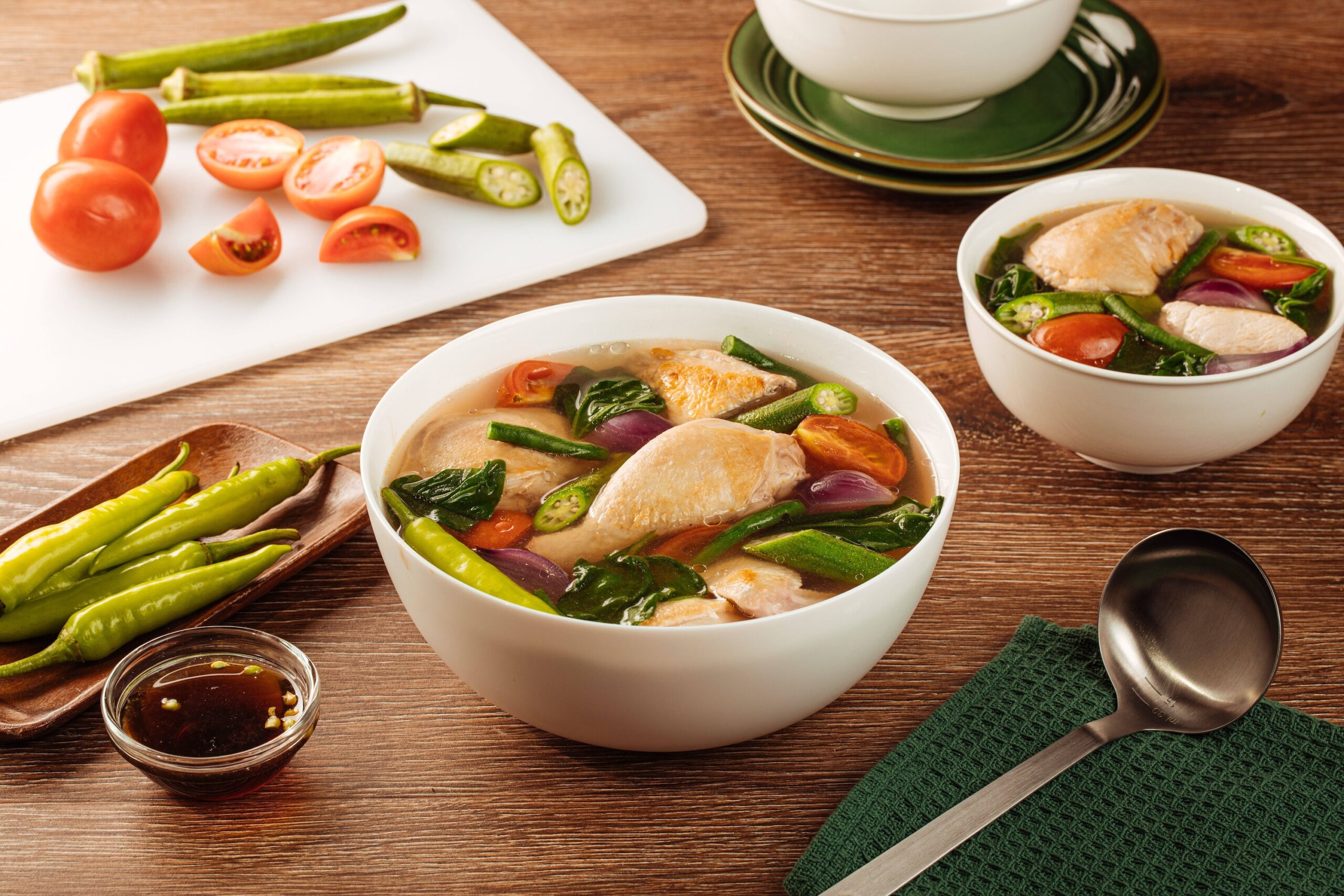
Delightful Tinola Recipe: A Taste of Filipino Comfort

tinola recipe

The Delightful Tinola Recipe: A Taste of Filipino Comfort
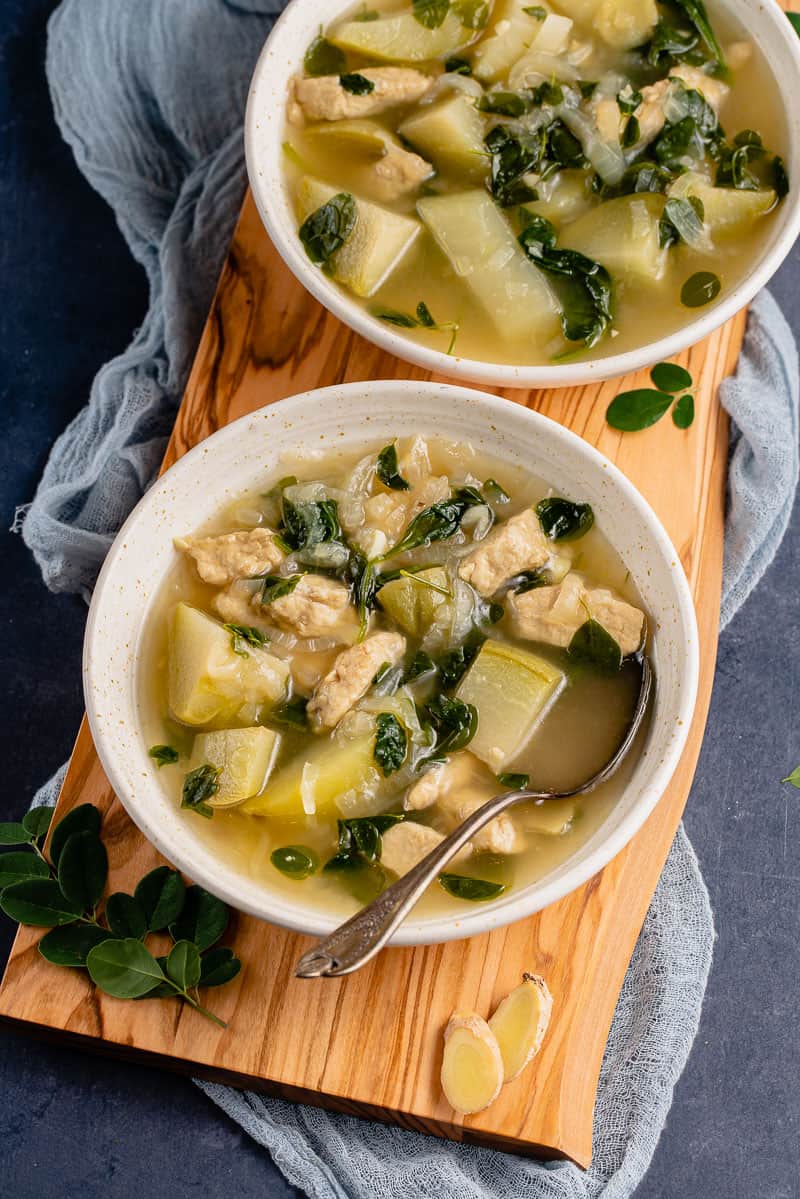
When it comes to Filipino comfort food, few dishes evoke the feeling of home quite like Tinola. This traditional soup is a staple in many Filipino households, loved for its light yet flavourful broth and tender chicken pieces.

Ingredients:

  • 1 whole chicken, cut into pieces
  • 2 tablespoons cooking oil
  • 4 cloves garlic, minced
  • 1 onion, sliced
  • Thumb-sized ginger, sliced thinly
  • 2-3 cups water or chicken broth
  • Green papaya or chayote, peeled and cut into chunks
  • Fish sauce and pepper to taste
  • Fresh spinach leaves for garnish

Instructions:

  1. In a pot, sauté garlic, onion, and ginger in cooking oil until fragrant.
  2. Add the chicken pieces and cook until lightly browned.
  3. Pour water or chicken broth into the pot and bring to a boil. Simmer until the chicken is tender.
  4. Add the green papaya or chayote chunks and cook until they are soft but not mushy.
  5. Season with fish sauce and pepper to taste.
  6. Garnish with fresh spinach leaves before serving hot. Enjoy your comforting bowl of Tinola!

Tinola is best enjoyed with steamed rice on the side. Its clear broth infused with ginger and garlic flavours is soothing to both the stomach and soul. Whether served during rainy days or family gatherings, Tinola never fails to bring warmth and satisfaction to those who partake in its savoury goodness.

So why not try your hand at making this beloved Filipino dish? With simple ingredients and easy steps, Tinola can easily become a regular feature on your dining table – a reminder of home-cooked comfort no matter where you may be.


Understanding Tinola: A Guide to Ingredients, Variations, and Cultural Significance

  1. What is the soup that Filipinos eat when sick?
  2. What ingredient is tinola?
  3. What is the English term for tinola?
  4. What are the ingredients in tinola?
  5. Do you put patis in tinola?
  6. Is tinola sayote or papaya better?

What is the soup that Filipinos eat when sick?

In Filipino culture, the soup that is often consumed when feeling under the weather is Tinola. This traditional dish is believed to have comforting and healing properties, making it a popular choice for those who are sick or feeling unwell. With its light yet nourishing broth, tender chicken pieces, and aromatic ginger-infused flavour, Tinola is not only a delicious meal but also a source of warmth and comfort during times of illness. Its soothing qualities and easy-to-digest ingredients make it a go-to option for providing relief and sustenance to both body and soul.

What ingredient is tinola?

Tinola, a popular Filipino dish known for its comforting qualities, typically consists of a few key ingredients that contribute to its distinctive flavour profile. The main components of a traditional tinola recipe include chicken pieces, ginger, garlic, onion, and either green papaya or chayote. These ingredients come together in a light and savoury broth that is seasoned with fish sauce and pepper to taste. The combination of these simple yet flavourful elements is what makes tinola a beloved dish in Filipino cuisine, cherished for its nourishing qualities and ability to evoke feelings of warmth and home.

What is the English term for tinola?

In Filipino cuisine, the traditional dish known as Tinola does not have a direct English translation for its name. However, Tinola is commonly referred to as a Filipino chicken soup with ginger and green papaya or chayote. The essence of Tinola lies in its light and aromatic broth infused with the flavours of ginger and garlic, creating a comforting and nourishing meal that is cherished by many. While there may not be an exact English equivalent for the term “Tinola,” its unique blend of ingredients and distinctive taste make it a beloved dish in Filipino culinary culture.

What are the ingredients in tinola?

One of the most frequently asked questions about Tinola is regarding its ingredients. The key components of this beloved Filipino dish include a whole chicken, garlic, onion, ginger, green papaya or chayote, water or chicken broth, fish sauce, pepper, and fresh spinach leaves for garnish. These simple yet essential ingredients come together to create a light and flavourful soup that is both comforting and nourishing. Each element plays a crucial role in enhancing the overall taste and aroma of Tinola, making it a true culinary delight for those who savour its traditional flavours.

Do you put patis in tinola?

In the preparation of Tinola, a traditional Filipino dish, the use of patis, a type of fish sauce, is a common practice that adds depth and savoury flavour to the broth. While some recipes may call for patis as an essential ingredient, its inclusion in Tinola can vary based on personal preference and regional variations. The addition of patis enhances the overall umami profile of the dish, complementing the chicken and vegetables with its distinctive taste. Ultimately, whether or not to put patis in Tinola is a matter of individual taste and culinary tradition, allowing for flexibility in adapting this beloved recipe to suit different palates.

Is tinola sayote or papaya better?

When it comes to the choice between using sayote (chayote) or papaya in Tinola, it ultimately boils down to personal preference. Sayote, with its mild flavour and crunchy texture, adds a refreshing element to the soup. On the other hand, papaya offers a softer texture and a slightly sweeter taste that some may find appealing. Both vegetables work well in enhancing the overall taste and texture of Tinola, so it’s worth experimenting with both options to see which one resonates more with your palate. Ultimately, whether you opt for sayote or papaya, the essence of Tinola lies in its comforting broth and tender chicken, making it a beloved Filipino dish cherished for its simplicity and heartwarming flavours.
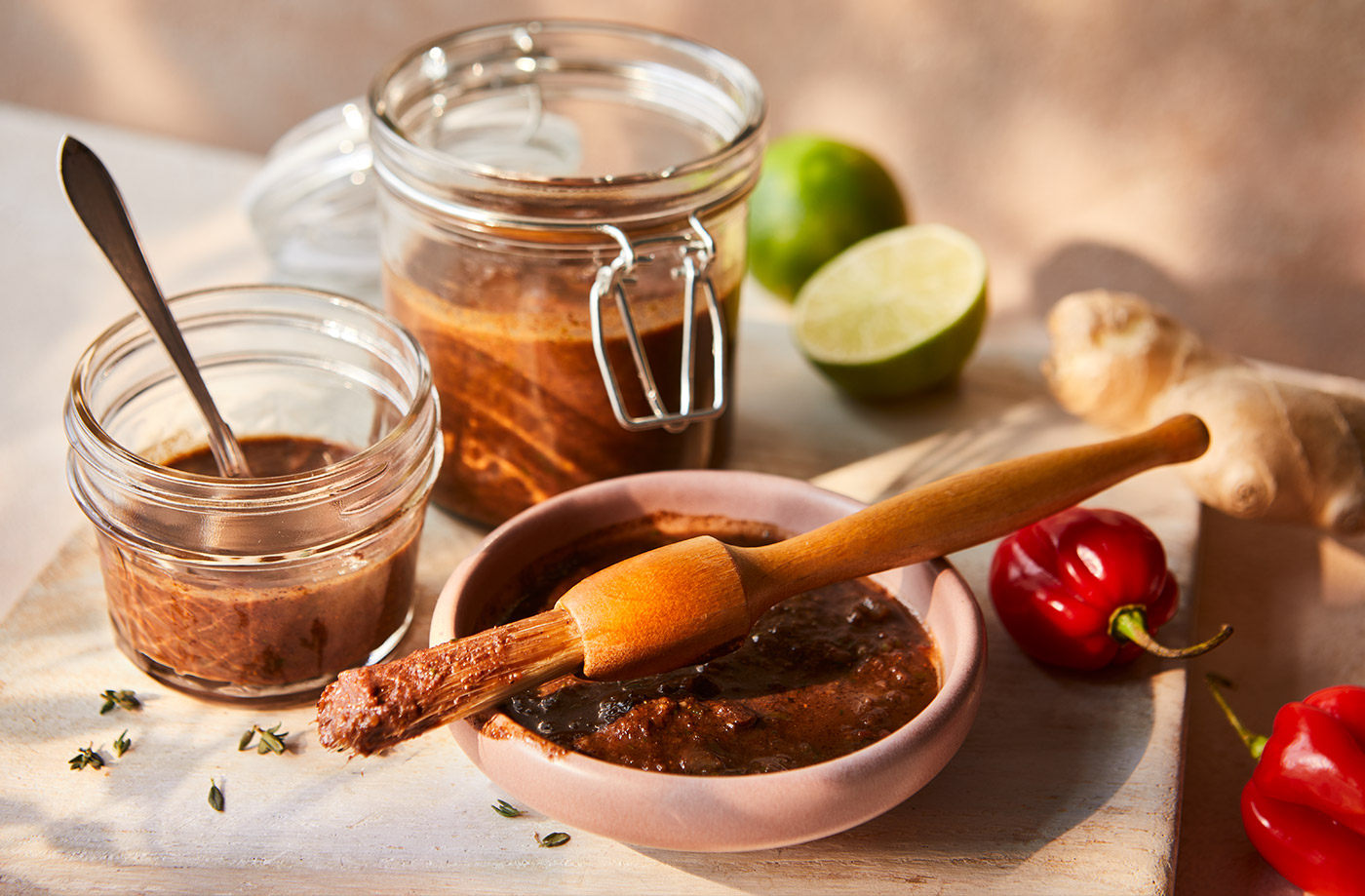

Elevate Your Culinary Creations with the Art of Marinade

marinade

The Art of Marinade: Elevating Flavours in Your Cooking

Marinade, a magical concoction of herbs, spices, oils, and acids, has the power to transform ordinary ingredients into extraordinary dishes. Whether you’re grilling meat, roasting vegetables, or preparing seafood, the art of marinating can take your cooking to new heights.

At its core, a marinade serves two essential purposes: to enhance flavour and tenderize the main ingredient. The acidic components like vinegar or citrus juice help break down proteins, resulting in a more tender and juicy end product. Meanwhile, herbs and spices infuse the food with complex layers of taste that tantalize the palate.

When creating a marinade, the possibilities are endless. You can experiment with different combinations of ingredients to suit your taste preferences and the dish you’re preparing. For meats, classic marinade components include garlic, soy sauce, olive oil, and herbs like rosemary and thyme. For seafood, a citrus-based marinade with fresh herbs can work wonders.

It’s important to note that marinating times vary depending on the type of ingredient. While delicate fish may only need 15-30 minutes in the marinade, tougher cuts of meat like beef or lamb could benefit from several hours or even overnight marination for optimal flavour penetration.

Whether you’re planning a barbecue with friends or simply looking to elevate your weeknight dinners, don’t underestimate the power of a well-crafted marinade. With a little creativity and experimentation in the kitchen, you can unlock a world of bold flavours and tender textures that will keep your taste buds coming back for more.


Understanding Marinades: Types, Terminology, and Simple Recipes

  1. What are the three types of marinades?
  2. What is correct, marinade or marinate?
  3. What is the difference between marinade and marination?
  4. What is called marinade?
  5. How to make a simple marinade?
  6. What is in a marinade?

What are the three types of marinades?

Marinades can be broadly categorized into three main types based on their composition and intended use. The first type is acidic marinades, which typically contain ingredients like vinegar, citrus juice, or yogurt. These marinades work to tenderize tougher cuts of meat by breaking down proteins. The second type is enzymatic marinades, which feature ingredients such as pineapple, papaya, or kiwi that contain natural enzymes to tenderize meat. Lastly, there are dry rubs, which consist of a mixture of spices and herbs applied directly onto the surface of the food to add flavour and create a crust when cooked. Each type of marinade offers a unique way to enhance the taste and texture of dishes, allowing for endless culinary possibilities in the kitchen.

What is correct, marinade or marinate?

The frequent question regarding the usage of “marinade” or “marinate” often arises due to their similar-sounding nature. The distinction lies in their respective roles within cooking terminologies. “Marinade” is a noun that refers to the mixture of ingredients used to flavour and tenderize food before cooking, while “marinate” is a verb describing the action of soaking food in a marinade. Therefore, one would prepare a marinade and then marinate the food in it to enhance its taste and texture. Understanding this subtle yet crucial difference can help clarify the correct usage of these terms in culinary contexts.

What is the difference between marinade and marination?

When exploring the realm of culinary techniques, a common query that arises is the distinction between marinade and marination. In essence, a marinade refers to the flavourful liquid or mixture of ingredients used to soak and coat food before cooking. On the other hand, marination is the process of allowing the food to sit in this marinade for a period of time, allowing the flavours to penetrate and enhance the taste and texture of the dish. While marinade denotes the actual mixture, marination signifies the action of infusing food with those enticing flavours through soaking or coating before cooking. Understanding this subtle disparity can help home cooks and chefs alike master the art of flavour enhancement in their culinary creations.

What is called marinade?

A marinade is a seasoned liquid mixture typically made with ingredients such as herbs, spices, oils, acids (like vinegar or citrus juice), and sometimes sweeteners. It is used to flavour and tenderize meat, seafood, or vegetables before cooking. The process of marinating involves soaking the main ingredient in the marinade for a period of time, allowing the flavours to penetrate and enhance the overall taste and texture of the dish. Marinades can vary widely in composition and are often customised to complement specific types of food or desired flavour profiles.

How to make a simple marinade?

Creating a simple marinade is a straightforward yet rewarding process that can elevate the flavour of your dishes. To make a basic marinade, start with a combination of olive oil, acid (such as vinegar or citrus juice), herbs (like parsley or rosemary), garlic, salt, and pepper. Simply mix these ingredients together in a bowl or resealable bag, add your choice of protein or vegetables, and ensure they are evenly coated. Allow the ingredients to marinate in the refrigerator for at least 30 minutes to several hours, depending on the desired intensity of flavour. This easy-to-make marinade will infuse your food with delicious taste and tenderize it for a truly delightful culinary experience.

What is in a marinade?

A marinade typically consists of a combination of ingredients that work together to enhance the flavour and texture of the main ingredient being marinated. Common components found in a marinade include acidic elements such as vinegar, citrus juice, or yogurt, which help tenderize the meat or vegetables. Oils like olive oil or sesame oil are often used to carry flavours and ensure even coating. Herbs and spices add depth and complexity to the marinade, with options ranging from garlic and onion to cumin and paprika. Each element in a marinade plays a crucial role in infusing the dish with delicious nuances that elevate the overall taste experience.

Savoury Delights: Creative Appetizer Ideas to Impress Your Guests

appetizer ideas

Delicious Appetizer Ideas to Impress Your Guests

When hosting a gathering or dinner party, serving appetizers is a fantastic way to kick off the festivities and tantalize your guests’ taste buds. If you’re looking for some inspiration, here are some mouth-watering appetizer ideas that are sure to impress:

Bruschetta with Tomato and Basil

Simple yet elegant, bruschetta topped with fresh tomatoes, basil, garlic, and a drizzle of balsamic glaze is a classic crowd-pleaser. The combination of flavours and textures will leave your guests wanting more.

Mini Caprese Skewers

For a bite-sized appetizer that packs a punch, try assembling mini caprese skewers with cherry tomatoes, mozzarella balls, fresh basil leaves, and a drizzle of olive oil. These colourful skewers are not only visually appealing but also delicious.

Stuffed Mushrooms

Stuffed mushrooms filled with a savoury mixture of cream cheese, garlic, herbs, and breadcrumbs are a savoury delight that will disappear in no time. These bite-sized treats are perfect for vegetarians and meat-lovers alike.

Prawn Cocktail

A retro favourite that never goes out of style, prawn cocktail served in individual glasses with tangy cocktail sauce and fresh lemon wedges is an elegant and refreshing appetizer option.

Cheese Platter

Create an impressive cheese platter featuring an assortment of cheeses such as brie, cheddar, gouda, and blue cheese accompanied by crackers, fruits, nuts, and honey. This versatile appetizer is perfect for grazing and pairs well with wine.

With these delectable appetizer ideas at your disposal, you can elevate your entertaining game and leave your guests raving about the delicious start to the meal.


Eight Essential Tips for Creating an Appetising Selection of Starters

  1. Serve a variety of appetizers to cater to different tastes.
  2. Include both hot and cold appetizers for contrast.
  3. Incorporate fresh ingredients for vibrant flavours.
  4. Consider dietary restrictions when planning appetizers.
  5. Balance heavier items with lighter options to create a well-rounded selection.
  6. Use seasonal produce to enhance the freshness of your appetizers.
  7. Experiment with different textures, such as crunchy, creamy, and crispy.
  8. Presentation is key – make your appetizers visually appealing.

Serve a variety of appetizers to cater to different tastes.

When planning your appetizer spread, consider serving a variety of options to cater to different tastes and preferences. By offering a diverse selection of appetizers, including vegetarian, seafood, meat-based, and cheese options, you ensure that all your guests can find something they enjoy. This approach not only adds excitement and variety to your menu but also shows thoughtfulness in accommodating the diverse palates of your guests. Whether it’s light and refreshing or rich and indulgent, providing a range of appetizers is a surefire way to please everyone at your gathering.

Include both hot and cold appetizers for contrast.

For a well-rounded appetizer spread that caters to various preferences and adds depth to your menu, consider incorporating both hot and cold appetizers. The contrast between the warmth of hot appetizers and the refreshing coolness of cold ones not only offers a sensory experience but also provides a diverse range of flavours and textures for your guests to enjoy. This balanced combination ensures that there is something for everyone, creating a dynamic and engaging start to your meal.

Incorporate fresh ingredients for vibrant flavours.

When it comes to creating appetizers that truly stand out, incorporating fresh ingredients is key to achieving vibrant flavours that excite the palate. By using fresh herbs, ripe tomatoes, crisp vegetables, and quality cheeses, you can enhance the taste and visual appeal of your appetizers. The natural brightness and aroma of fresh ingredients not only add depth to the dish but also showcase your attention to detail and commitment to providing a memorable culinary experience for your guests.

Consider dietary restrictions when planning appetizers.

When planning appetizers, it is essential to consider dietary restrictions to ensure that all guests can enjoy the culinary offerings. Taking into account various dietary needs such as vegetarian, vegan, gluten-free, or nut allergies allows you to provide a diverse selection of appetizers that cater to everyone’s preferences and requirements. By being mindful of dietary restrictions, you can create a welcoming and inclusive dining experience where all guests feel valued and well-catered for.

Balance heavier items with lighter options to create a well-rounded selection.

When planning your appetizer menu, it’s essential to strike a balance between heavier items and lighter options to ensure a well-rounded selection. By incorporating a mix of rich, indulgent bites with refreshing and lighter fare, you can cater to a variety of tastes and preferences among your guests. This thoughtful approach not only adds depth to your spread but also allows for a more dynamic dining experience, where guests can enjoy a diverse range of flavours and textures before the main course.

Use seasonal produce to enhance the freshness of your appetizers.

Using seasonal produce is a clever tip to enhance the freshness and flavour of your appetizers. By incorporating fruits, vegetables, and herbs that are in season, you not only ensure that your dishes are at their peak taste but also support local farmers and reduce environmental impact. Seasonal ingredients add a vibrant touch to your appetizers, making them even more appealing to your guests’ palates. So, next time you plan your menu, consider using seasonal produce to elevate the quality of your appetizers and create a memorable dining experience.

Experiment with different textures, such as crunchy, creamy, and crispy.

When preparing appetizers, it’s worth exploring a variety of textures to create a dynamic and satisfying culinary experience for your guests. Incorporating elements like crunchy, creamy, and crispy textures can add depth and contrast to your appetizer spread. For example, pairing crispy crostini with creamy goat cheese and a crunchy nut topping can tantalize the taste buds and provide a delightful sensory experience. By experimenting with different textures, you can elevate your appetizers to new heights and impress your guests with a diverse range of flavours and mouthfeel sensations.

Presentation is key – make your appetizers visually appealing.

When it comes to appetizer ideas, remember that presentation is key. Making your appetizers visually appealing not only enhances the overall dining experience but also entices your guests to indulge. Consider the colours, textures, and arrangement of your appetizers to create an inviting spread that is as delightful to look at as it is to eat. A well-presented dish can elevate the perceived taste and quality of the food, setting the tone for a memorable dining occasion.

Traditional Sinigang Recipe: A Taste of Filipino Comfort Food

sinigang recipe

The Perfect Sinigang Recipe: A Taste of Filipino Comfort Food

Sinigang is a beloved Filipino dish known for its sour and savoury flavour profile that warms the soul. This traditional soup is a staple in Filipino households, often enjoyed during family gatherings or on rainy days. Let’s explore how to create the perfect sinigang that will transport you to the heart of Filipino cuisine.

Ingredients:

  • 500g pork ribs or belly
  • 1 large onion, quartered
  • 2 medium tomatoes, quartered
  • 1 radish, sliced
  • 1 eggplant, sliced
  • 10-12 pieces of string beans, cut into 2-inch lengths
  • 2 pieces of green chillies (optional)
  • 1 pack of sinigang mix (tamarind soup base)
  • Salt and pepper to taste

Instructions:

  1. In a large pot, bring water to a boil and add the pork ribs or belly. Let it simmer until the meat is tender.
  2. Add the onions and tomatoes to the pot. Let them cook until they become soft and fragrant.

  3. Add the sinigang mix to the pot and stir well to dissolve.

  4. Add the radish, eggplant, string beans, and green chillies. Let them simmer until all vegetables are cooked but still slightly crunchy.

  5. Season with salt and pepper according to your taste.

  6. Serve hot with steamed rice.

    Variations:

    Sinigang can be made with different types of meat such as shrimp, fish or beef. You can also adjust the sourness level by adding more tamarind mix or fresh tamarind pods. Some people like to add leafy greens like water spinach or kangkong for added freshness.

    Whether you’re a seasoned fan of Filipino cuisine or trying sinigang for the first time, this dish is sure to delight your taste buds with its unique blend of flavours. Give this recipe a try and experience the comfort and warmth of sinigang in your own home.

    Bon appétit!


9 Reasons to Love Sinigang: A Versatile, Comforting, and Authentic Filipino Dish

  1. Deliciously tangy and savoury flavour profile.
  2. Versatile recipe that can be made with different types of meat.
  3. Comforting and warming, perfect for cold or rainy days.
  4. Easy to prepare with simple ingredients.
  5. Healthy dish packed with a variety of vegetables.
  6. Customisable sourness level to suit personal taste preferences.
  7. Great way to experience authentic Filipino cuisine at home.
  8. Suitable for family gatherings or intimate meals.
  9. Pairs perfectly with steamed rice for a satisfying meal.


Challenges in Preparing Traditional Sinigang: Time, Ingredients, and Taste Preferences

  1. Preparation can be time-consuming due to the need to cook the meat until tender.
  2. Finding traditional ingredients like tamarind soup base may be challenging in some regions.
  3. The sourness level of sinigang may not appeal to those who prefer milder flavours.

Deliciously tangy and savoury flavour profile.

The sinigang recipe boasts a deliciously tangy and savoury flavour profile that sets it apart as a truly comforting and satisfying dish. The perfect balance of sourness from the tamarind base, combined with the rich savouriness of the pork or other meat, creates a symphony of tastes that excite the palate. Each spoonful offers a burst of tanginess followed by a deep umami richness, making sinigang a culinary delight that is both refreshing and deeply satisfying.

Versatile recipe that can be made with different types of meat.

One of the standout advantages of the sinigang recipe is its versatility in accommodating various types of meat. Whether you prefer pork, shrimp, fish, or beef, sinigang can be easily tailored to suit your taste preferences and dietary choices. This flexibility allows individuals to explore different flavour profiles and textures while still enjoying the comforting and tangy essence that defines this beloved Filipino dish.

Comforting and warming, perfect for cold or rainy days.

Sinigang’s comforting and warming qualities make it the perfect dish to enjoy on cold or rainy days. The sour and savoury broth, infused with a medley of vegetables and tender meat, provides a soothing sensation that warms both the body and the soul. Whether seeking solace from the chill of winter or looking for a culinary embrace during a rainy afternoon, sinigang offers a delicious respite that brings comfort with every spoonful.

Easy to prepare with simple ingredients.

One of the key advantages of the sinigang recipe is its ease of preparation using simple ingredients. With just a few basic components like pork ribs or belly, vegetables, and a sinigang mix, you can create a delicious and comforting soup that captures the essence of Filipino cuisine. This accessibility makes sinigang a popular choice for home cooks looking to whip up a satisfying meal without the need for complex or hard-to-find ingredients. The straightforward nature of this recipe ensures that anyone can enjoy the delightful flavours of sinigang with minimal effort and maximum flavour.

Healthy dish packed with a variety of vegetables.

Sinigang stands out as a healthy dish due to its abundance of vegetables that not only enhance its flavour but also contribute to its nutritional value. Packed with a diverse array of vegetables such as radish, eggplant, string beans, and more, sinigang offers a colourful and nutrient-rich dining experience. These vegetables provide essential vitamins, minerals, and dietary fibre, making sinigang a wholesome choice for those looking to enjoy a delicious meal while prioritising their health.

Customisable sourness level to suit personal taste preferences.

One of the standout advantages of the sinigang recipe is its customisable sourness level, allowing individuals to tailor the dish to their personal taste preferences. Whether you prefer a more tangy and sharp flavour or a milder, subtle sourness, sinigang offers flexibility in adjusting the amount of tamarind mix or fresh tamarind pods used in the broth. This adaptability ensures that each serving of sinigang can be uniquely crafted to satisfy individual palates, making it a versatile and appealing dish for a wide range of taste preferences.

Great way to experience authentic Filipino cuisine at home.

Indulging in a sinigang recipe is a wonderful opportunity to immerse yourself in the authentic flavours of Filipino cuisine right in the comfort of your own home. This traditional dish encapsulates the essence of Filipino cooking with its perfect balance of sourness and savoury notes, offering a genuine taste of the Philippines that is sure to transport you to the bustling streets and vibrant markets of this culinary-rich nation. Embrace the warmth and hospitality of Filipino culture by savouring a bowl of sinigang, a dish that not only satisfies your taste buds but also nourishes your soul with its comforting and familiar embrace.

Suitable for family gatherings or intimate meals.

Sinigang recipe is a versatile dish that is perfect for both family gatherings and intimate meals. Its comforting and flavourful nature makes it ideal for bringing loved ones together around the dining table, creating a sense of warmth and togetherness. Whether shared during a festive celebration with extended family or enjoyed in a cozy setting with close friends, sinigang’s ability to cater to different occasions makes it a go-to choice for those looking to create memorable dining experiences that foster connection and joy.

Pairs perfectly with steamed rice for a satisfying meal.

Sinigang’s delightful sour and savoury broth pairs perfectly with fluffy steamed rice, creating a harmonious and satisfying meal that is sure to please your taste buds. The tender meat, vibrant vegetables, and tangy tamarind base of the sinigang complement the simplicity of steamed rice, offering a well-rounded dining experience that is both comforting and fulfilling. Whether enjoyed on a chilly evening or as a hearty lunch option, the combination of sinigang and steamed rice is a classic Filipino favourite that never fails to bring joy to the table.

Preparation can be time-consuming due to the need to cook the meat until tender.

One potential downside of preparing sinigang is the time-consuming process required to cook the meat until it reaches the desired tenderness. This step can demand patience and attention to ensure that the meat is perfectly cooked and infused with flavour. However, while this aspect of the recipe may require some extra time and effort, the end result of tender, succulent meat in a rich and tangy broth makes it well worth the wait. The slow cooking process also allows the flavours to meld together, creating a deeply satisfying dish that embodies the essence of Filipino comfort food.

Finding traditional ingredients like tamarind soup base may be challenging in some regions.

In certain regions, one potential drawback of preparing a sinigang recipe is the difficulty in sourcing traditional ingredients like tamarind soup base. The unique flavour of sinigang largely depends on this key ingredient, which can pose a challenge for those living in areas where it may not be readily available. However, with some creativity and resourcefulness, alternative options or substitutes can be explored to recreate the distinct sourness that defines this beloved Filipino dish.

The sourness level of sinigang may not appeal to those who prefer milder flavours.

For individuals who lean towards milder flavours, the pronounced sourness of sinigang may present a challenge. This traditional Filipino dish is renowned for its tangy and sharp taste, derived from the tamarind base. The sourness can be quite intense for those unaccustomed to such bold flavours, potentially overshadowing the subtler notes of other ingredients in the dish. Adjusting the level of sourness in sinigang may be necessary to cater to varying taste preferences and ensure a more balanced flavour profile that aligns with individual palates.

Succulent Ribeye Steak Recipe: A Mouth-Watering Delight

ribeye steak recipe

The Perfect Ribeye Steak Recipe

There’s nothing quite like a juicy, flavourful ribeye steak cooked to perfection. Whether you’re hosting a dinner party or simply craving a delicious meal, this ribeye steak recipe is sure to impress your taste buds.

Ingredients:

  • 2 ribeye steaks (about 1 inch thick)
  • 2 cloves of garlic, minced
  • 2 tablespoons of olive oil
  • Salt and pepper to taste
  • Fresh rosemary sprigs for garnish

Instructions:

  1. Remove the ribeye steaks from the refrigerator and let them sit at room temperature for about 30 minutes.
  2. Preheat your grill or grill pan over high heat.
  3. In a small bowl, mix the minced garlic, olive oil, salt, and pepper to create a marinade.
  4. Brush the marinade onto both sides of the ribeye steaks.
  5. Place the steaks on the hot grill and cook for about 4-5 minutes on each side for medium-rare doneness. Adjust cooking time according to your desired level of doneness.
  6. Once cooked to your liking, remove the steaks from the grill and let them rest for a few minutes before serving.
  7. Garnish with fresh rosemary sprigs for an extra burst of flavour.

This ribeye steak recipe is simple yet incredibly delicious. Serve it alongside your favourite sides and enjoy a restaurant-quality meal in the comfort of your own home!

Bon appétit!


Mastering Ribeye Steak: Five Essential Tips for a Perfectly Juicy and Flavourful Dish

  1. Choose a well-marbled ribeye steak for maximum flavour and juiciness.
  2. Bring the steak to room temperature before cooking to ensure even cooking throughout.
  3. Season the steak generously with salt and pepper just before cooking for enhanced flavour.
  4. Sear the steak in a hot pan or grill to create a delicious crust on the outside while keeping it juicy inside.
  5. Let the steak rest for a few minutes after cooking to allow the juices to redistribute, resulting in a more tender and flavoursome steak.

Choose a well-marbled ribeye steak for maximum flavour and juiciness.

When preparing a ribeye steak, selecting a well-marbled cut is key to achieving optimum flavour and juiciness. The marbling, or intramuscular fat, in the steak not only adds richness and depth to the taste but also ensures a succulent and tender texture when cooked. Opting for a well-marbled ribeye steak guarantees a mouthwatering dining experience that will leave you savouring every bite.

Bring the steak to room temperature before cooking to ensure even cooking throughout.

To achieve a perfectly cooked ribeye steak, it is essential to bring the steak to room temperature before cooking. Allowing the steak to sit at room temperature for about 30 minutes ensures that it cooks evenly throughout, resulting in a tender and juicy texture. This simple tip can make a significant difference in the final outcome of your ribeye steak, enhancing its flavour and ensuring a delightful dining experience.

Season the steak generously with salt and pepper just before cooking for enhanced flavour.

To elevate the flavour profile of your ribeye steak, a crucial tip is to generously season it with salt and pepper just before cooking. This simple yet effective step not only enhances the taste of the meat but also creates a delicious crust when seared. The salt helps to draw out the natural juices of the steak while the pepper adds a subtle kick of spice. By seasoning your ribeye steak right before cooking, you ensure that each bite is bursting with savoury goodness, making it a truly unforgettable dining experience.

Sear the steak in a hot pan or grill to create a delicious crust on the outside while keeping it juicy inside.

To enhance the flavour and texture of your ribeye steak, it is crucial to sear it in a hot pan or grill. By achieving a caramelised crust on the outside, you not only lock in the juices but also create a depth of flavour that elevates the overall taste experience. This cooking method ensures that the steak remains tender and succulent on the inside, providing a perfect balance of textures with each mouthwatering bite.

Let the steak rest for a few minutes after cooking to allow the juices to redistribute, resulting in a more tender and flavoursome steak.

Allowing the ribeye steak to rest for a few minutes after cooking is a crucial tip that can elevate the dining experience. By giving the steak time to rest, the juices redistribute within the meat, ensuring a more tender and flavoursome outcome. This simple yet effective step allows the flavours to meld together, creating a succulent and satisfying bite with each mouthful. Patience in this final stage of preparation can make all the difference in achieving a perfectly cooked ribeye steak that is sure to impress even the most discerning palates.

Embark on an Exciting Journey of Exploration

explore

The Joy of Exploration: Embracing the Unknown

Exploration is a fundamental aspect of human nature, ingrained in our curiosity and desire for discovery. Whether venturing into uncharted territories or delving into the depths of our own minds, the act of exploration opens up a world of possibilities and opportunities.

When we explore, we break free from the confines of familiarity and step into the realm of the unknown. It is in these moments of exploration that we truly come alive, embracing new experiences and expanding our horizons.

Exploration can take many forms – from travelling to far-off lands to immersing ourselves in different cultures, from pursuing new hobbies to challenging our own beliefs and perceptions. Each journey of exploration offers a chance for growth and self-discovery.

One of the greatest joys of exploration is the sense of wonder and awe that it evokes. As we witness the beauty of nature, encounter diverse perspectives, or uncover hidden treasures, we are reminded of the vastness and complexity of the world around us.

Moreover, exploration fosters a spirit of resilience and adaptability. By stepping out of our comfort zones and confronting the unfamiliar, we learn to navigate challenges with courage and creativity, honing our problem-solving skills along the way.

So, let us embrace the spirit of exploration – let us seek out new adventures, embrace uncertainty, and revel in the thrill of discovery. For it is through exploration that we truly come to understand ourselves and our place in this vast and wondrous world.


8 Essential Tips for Exploring New Destinations

  1. Research your destination before you go to make the most of your trip.
  2. Try local cuisine and immerse yourself in the culture of the place you are visiting.
  3. Pack light and only bring essentials to make travel easier.
  4. Be open to new experiences and step out of your comfort zone.
  5. Interact with locals to learn more about the area and get insider tips.
  6. Take time to relax and enjoy the moment without rushing from one place to another.
  7. Capture memories through photos or a travel journal to remember your adventures.
  8. Stay safe by being aware of your surroundings and following local customs.

Research your destination before you go to make the most of your trip.

Before embarking on your journey, it is essential to research your destination thoroughly to ensure that you make the most of your trip. By familiarising yourself with the local culture, attractions, and customs, you can enhance your travel experience and gain a deeper understanding of the place you are visiting. From must-see landmarks to hidden gems off the beaten path, conducting thorough research allows you to plan ahead and make informed decisions that will enrich your exploration and create lasting memories.

Try local cuisine and immerse yourself in the culture of the place you are visiting.

When exploring a new destination, a valuable tip is to immerse yourself in the local culture by trying the native cuisine. Sampling traditional dishes not only tantalises your taste buds but also offers a deeper insight into the heritage and customs of the place you are visiting. From street food markets to family-run eateries, embracing local cuisine allows you to connect with the community, appreciate culinary traditions, and create lasting memories of your travel experience. So, next time you’re exploring a new destination, don’t miss out on the opportunity to savour authentic flavours and immerse yourself in the rich tapestry of local culture through its food.

Pack light and only bring essentials to make travel easier.

When embarking on a journey of exploration, it is wise to heed the advice of packing light and bringing only the essentials. By streamlining our belongings and focusing on the necessities, we not only lighten our physical load but also simplify our travel experience. Packing light allows for greater mobility, ease of movement, and less stress when navigating through various destinations. Embracing this tip on exploration enables us to focus on the journey itself rather than being weighed down by unnecessary items, ultimately making our travels more enjoyable and fulfilling.

Be open to new experiences and step out of your comfort zone.

To truly embrace the essence of exploration, it is essential to remain receptive to novel encounters and willingly venture beyond the confines of familiarity. By being open to fresh experiences and daring to step out of our comfort zones, we invite growth, learning, and a deeper understanding of ourselves and the world around us. Embracing the unknown with an open mind can lead to transformative moments that enrich our lives and broaden our perspectives in ways we never imagined possible.

Interact with locals to learn more about the area and get insider tips.

When exploring a new area, interacting with locals can enrich your experience and provide valuable insights. Engaging with residents allows you to gain a deeper understanding of the culture, traditions, and hidden gems of the place. By seeking out their perspectives and insider tips, you not only enhance your exploration but also forge meaningful connections that offer a unique glimpse into the heart of the community. Embracing local interactions adds a layer of authenticity to your journey, making it more immersive and rewarding.

Take time to relax and enjoy the moment without rushing from one place to another.

In the pursuit of exploration, it is essential to remember the importance of slowing down and savouring each moment along the way. Taking the time to relax and immerse oneself in the present without constantly rushing from one place to another allows for a deeper connection with our surroundings and a more meaningful experience. By pausing to appreciate the beauty and tranquillity of each moment, we can truly absorb the essence of our explorations and create lasting memories that resonate long after the journey has ended.

Capture memories through photos or a travel journal to remember your adventures.

When embarking on explorations, a valuable tip is to capture memories through photos or a travel journal. By documenting your adventures visually or in writing, you create lasting mementoes that allow you to relive the sights, sounds, and emotions of your journey. Whether it’s a breathtaking landscape, a delicious meal shared with locals, or a moment of serenity in a bustling city, these captured memories serve as reminders of the richness and beauty of your exploratory experiences.

Stay safe by being aware of your surroundings and following local customs.

To make the most of your exploration, it is essential to prioritise safety by staying vigilant and respecting local customs. By being aware of your surroundings and adhering to the traditions and norms of the places you visit, you not only ensure your own well-being but also show respect for the local culture. This mindful approach enhances your overall experience, allowing you to immerse yourself in new environments while fostering positive interactions with the communities you encounter.

Unlocking Unforgettable Adventures: The Power of Guidebooks

guidebooks

The Importance of Guidebooks: Your Ultimate Travel Companion

Guidebooks have long been a staple for travellers seeking to explore new destinations with ease and confidence. These invaluable resources offer a wealth of information, tips, and recommendations that can enhance your travel experience in ways that digital platforms often cannot match.

One of the key benefits of guidebooks is their reliability. Unlike online reviews that can be biased or outdated, guidebooks are meticulously researched and regularly updated by experts in the field. This ensures that you have access to accurate and up-to-date information on everything from accommodation options to local attractions.

Guidebooks also provide a sense of structure and organisation to your trip. With detailed maps, suggested itineraries, and insider tips, you can navigate unfamiliar territories with confidence and make the most of your time in each location. Whether you’re a meticulous planner or a spontaneous traveller, guidebooks offer the flexibility to tailor your journey according to your preferences.

Furthermore, guidebooks often delve into the cultural and historical background of a destination, giving you valuable insights that go beyond surface-level tourist attractions. By learning about the local customs, traditions, and landmarks, you can develop a deeper appreciation for the places you visit and engage more meaningfully with the local community.

In an age where digital resources dominate the travel industry, guidebooks remain a trusted companion for those who value authenticity, reliability, and immersive experiences. So next time you embark on a new adventure, consider packing a guidebook along with your passport – it may just be the key to unlocking unforgettable travel memories.


Top FAQs About Guidebooks: Understanding Their Purpose, Selection, and Creation

  1. What is guidebook com?
  2. What is the meaning of guidebooks?
  3. What is the best travel guide for Portugal?
  4. What is the best guidebook?
  5. How do you write a travel guidebook?
  6. What is the use of a guidebook?

What is guidebook com?

Guidebook.com is a popular online platform that provides a wide range of digital guidebooks for travellers looking to explore various destinations around the world. These digital guides offer comprehensive information on attractions, accommodations, dining options, and local tips to help users plan their trips effectively. Guidebook.com aims to enhance the travel experience by offering convenient access to valuable insights and recommendations in a user-friendly format, making it a go-to resource for both seasoned globetrotters and first-time adventurers.

What is the meaning of guidebooks?

Guidebooks are informative resources that provide detailed insights, recommendations, and practical advice for travellers exploring new destinations. Essentially, guidebooks serve as comprehensive travel companions, offering valuable information on accommodation options, local attractions, transportation, dining experiences, cultural insights, and more. By consulting guidebooks, travellers can enhance their understanding of a place, plan their itineraries effectively, and make the most of their travel experiences with confidence and ease.

What is the best travel guide for Portugal?

When it comes to choosing the best travel guide for Portugal, the answer ultimately depends on your specific preferences and travel style. Popular options like Lonely Planet, Rick Steves, and DK Eyewitness Travel are known for their comprehensive coverage of Portugal’s attractions, history, and culture. Alternatively, more niche guides focusing on specific regions or interests within Portugal may offer a more tailored experience. To determine the best guide for your trip to Portugal, consider factors such as the level of detail you desire, the type of activities you plan to engage in, and whether you prefer digital or printed resources. Ultimately, the best travel guide is one that aligns with your individual needs and enhances your exploration of this diverse and captivating country.

What is the best guidebook?

When it comes to determining the best guidebook, the answer is not one-size-fits-all. The ideal guidebook for you depends on various factors such as your travel preferences, destination of choice, and specific needs during your trip. Some travellers may prefer comprehensive guides with detailed historical insights and cultural information, while others might favour compact pocket guides focusing on practical tips and maps. It’s essential to consider your own travel style and priorities when selecting a guidebook to ensure that it aligns with your expectations and enhances your overall travel experience.

How do you write a travel guidebook?

Creating a travel guidebook requires a meticulous approach that combines thorough research, engaging writing, and captivating visuals. To write a travel guidebook, start by selecting a destination that you are passionate about and familiar with. Conduct extensive research to gather information on accommodation, dining options, attractions, transportation, and local customs. Organise your content in a logical and user-friendly format, including maps, itineraries, and practical tips. Write clear and concise descriptions that capture the essence of each place while maintaining an engaging tone to keep readers interested. Incorporate high-quality images to complement your text and provide visual appeal. Finally, proofread your guidebook carefully to ensure accuracy and coherence before publishing it for eager travellers to enjoy.

What is the use of a guidebook?

A guidebook serves as a valuable tool for travellers seeking comprehensive and reliable information about a destination. Its primary purpose is to provide essential details on accommodation options, local attractions, dining recommendations, transportation tips, and cultural insights. By offering a structured and well-researched overview of a place, a guidebook helps travellers navigate unfamiliar territories with confidence, make informed decisions about their itinerary, and gain a deeper understanding of the destination’s history and customs. In essence, the use of a guidebook goes beyond mere convenience – it enriches the travel experience by empowering individuals to explore and appreciate new destinations in a meaningful and informed manner.

Unveiling the Timeless Charm of Historical Sites

historical sites

The Timeless Beauty of Historical Sites

Historical sites serve as windows to the past, offering a glimpse into the rich tapestry of human history. These remarkable places stand as testaments to the ingenuity, creativity, and perseverance of our ancestors. From ancient ruins to majestic castles, each site tells a unique story that captivates and inspires visitors from around the world.

Exploring Ancient Ruins

Walking through the crumbling remnants of ancient civilisations, such as the majestic pyramids of Egypt or the awe-inspiring Colosseum in Rome, transports us back in time. These sites not only showcase architectural marvels but also provide insights into the lives and beliefs of people who lived centuries ago.

Discovering Cultural Heritage

Historical sites are not just relics of the past; they are living testaments to our cultural heritage. UNESCO World Heritage sites like Stonehenge in England or Machu Picchu in Peru symbolise the collective achievements of humanity and remind us of our interconnectedness across time and space.

Preserving History for Future Generations

It is crucial to protect and preserve historical sites for future generations. These sites are invaluable educational resources that help us understand where we come from and guide us towards a more enlightened future. By safeguarding these treasures, we ensure that their stories continue to resonate with people for years to come.

In conclusion, historical sites are not merely monuments of stone and mortar; they are repositories of memories, dreams, and aspirations. They remind us of our shared humanity and inspire us to appreciate the enduring legacy of those who came before us.


Exploring Iconic Historical Sites: Answers to Common Questions

  1. What is the most famous historical site in the world?
  2. What is the most visited historical site in the world?
  3. What are the top 10 historical places?
  4. What are the top 10 English heritage sites?
  5. What is the most famous historical site?
  6. Which is a historical site?

What is the most famous historical site in the world?

One of the most frequently asked questions about historical sites is, “What is the most famous historical site in the world?” While opinions may vary, a strong contender for this title is the Great Pyramid of Giza in Egypt. As one of the Seven Wonders of the Ancient World, the Great Pyramid stands as a testament to the incredible architectural and engineering prowess of the ancient Egyptians. Its sheer size, precision construction, and enigmatic history continue to captivate visitors and researchers alike, making it a symbol of human achievement and ingenuity on a global scale.

What is the most visited historical site in the world?

The question “What is the most visited historical site in the world?” often sparks curiosity among travellers and history enthusiasts alike. While various historical sites attract millions of visitors each year, the title of the most visited site is often attributed to the Great Wall of China. Spanning thousands of kilometres and dating back over two millennia, this iconic structure not only serves as a symbol of China’s rich history but also captivates visitors with its breathtaking views and cultural significance. The Great Wall’s sheer scale and historical significance make it a must-visit destination for those seeking to experience one of the world’s most renowned historical sites.

What are the top 10 historical places?

When it comes to exploring historical sites, the question of the top 10 places often arises, sparking curiosity and wanderlust in travellers and history enthusiasts alike. From the iconic pyramids of Giza in Egypt to the majestic Acropolis in Greece, the list of must-visit historical places is as diverse as it is captivating. Other notable sites include the ancient city of Petra in Jordan, the archaeological wonders of Machu Picchu in Peru, and the architectural marvels of Angkor Wat in Cambodia. Each of these destinations offers a unique glimpse into the past, inviting visitors to immerse themselves in centuries-old tales of triumph, innovation, and cultural heritage.

What are the top 10 English heritage sites?

One of the frequently asked questions regarding historical sites is, “What are the top 10 English heritage sites?” England boasts a wealth of remarkable heritage sites that draw visitors from far and wide. From the iconic Stonehenge and the majestic Tower of London to the picturesque Bath and the mystical Avebury Stone Circle, England’s historical treasures offer a diverse range of experiences for history enthusiasts. Other notable English heritage sites include Hadrian’s Wall, Canterbury Cathedral, Westminster Abbey, Windsor Castle, York Minster, and the Roman Baths in Bath. Each site encapsulates centuries of history and cultural significance, making them must-visit destinations for those seeking to delve into England’s rich past.

What is the most famous historical site?

When asked about the most famous historical site, opinions may vary depending on individual interests and perspectives. However, one of the universally renowned historical sites that often comes to mind is the majestic wonder of the ancient world, the Great Pyramid of Giza in Egypt. Built over 4,500 years ago as a tomb for Pharaoh Khufu, it stands as a symbol of human ingenuity and architectural prowess. The sheer size and precision of its construction continue to fascinate historians, archaeologists, and visitors alike, making it a timeless icon of ancient civilisation and an enduring testament to the capabilities of humanity in antiquity.

Which is a historical site?

A historical site is a location that holds significant cultural, archaeological, or architectural value due to its historical importance. These sites can range from ancient ruins and temples to medieval castles and modern landmarks with historical significance. Each historical site offers a unique opportunity to delve into the past, uncovering stories of the people, events, and cultures that have shaped our world. By exploring these sites, visitors can gain a deeper appreciation for the rich tapestry of human history and connect with the legacy of those who came before us.

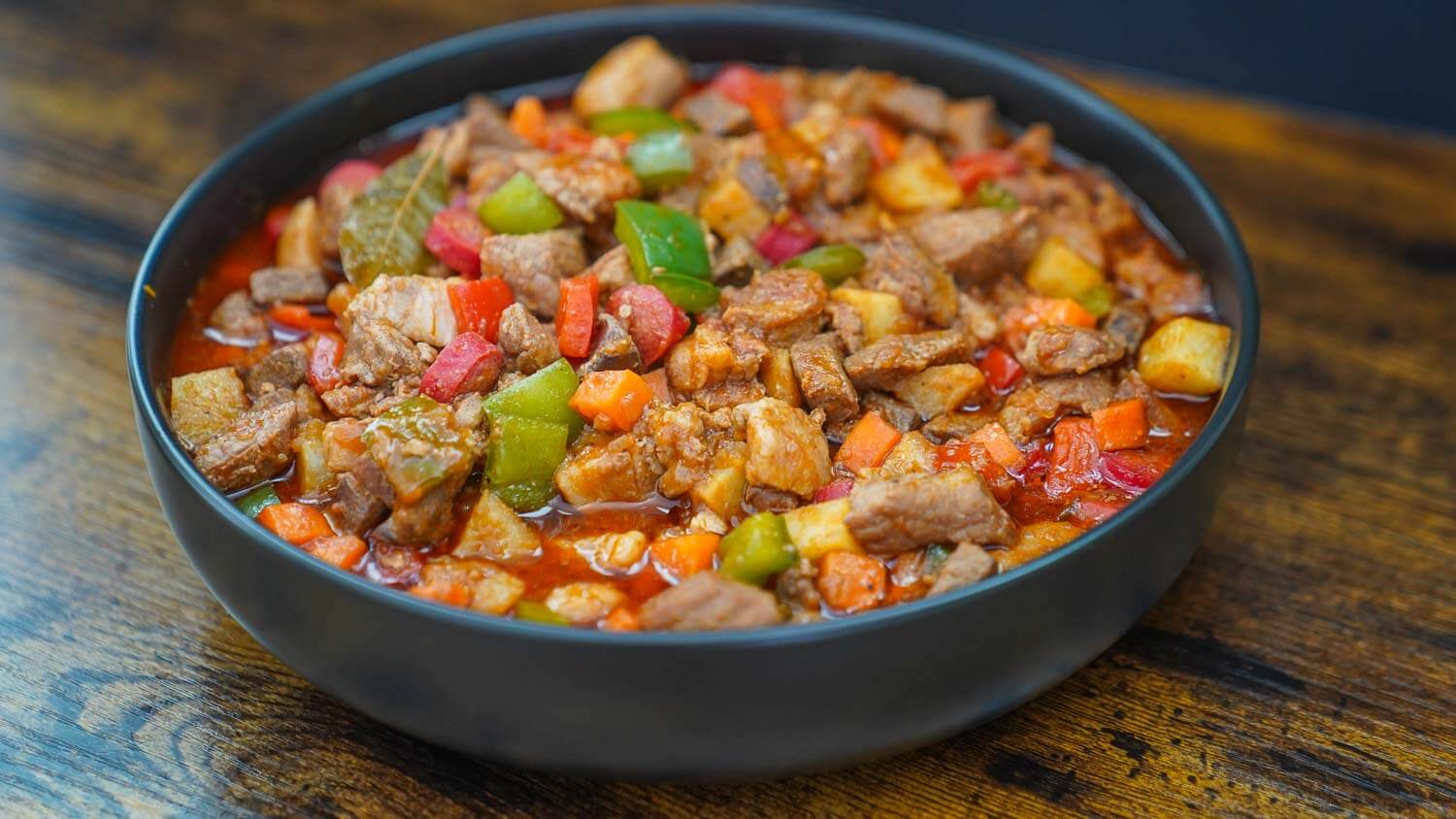
Savour the Tradition: Authentic Menudo Recipe for a Taste of Mexico

menudo recipe

The Authentic Menudo Recipe: A Taste of Mexican Tradition

Menudo, a hearty and flavourful Mexican dish, is a beloved staple in many households and restaurants across Mexico. This traditional soup is known for its rich broth, tender tripe, and aromatic spices that come together to create a truly comforting and satisfying meal.

Ingredients:

  • 2 pounds of beef tripe, cleaned and cut into small pieces
  • 1 onion, chopped
  • 4 cloves of garlic, minced
  • 2 teaspoons of dried oregano
  • 1 teaspoon of cumin powder
  • Salt and pepper to taste
  • Chilli peppers (optional for added heat)
  • Fresh cilantro for garnish

Instructions:

  1. In a large pot, combine the beef tripe, onion, garlic, oregano, cumin powder, salt, pepper, and enough water to cover the ingredients.
  2. Cover the pot and simmer over low heat for about 3-4 hours or until the tripe is tender.
  3. If desired, add chilli peppers to taste for a spicy kick.
  4. Serve hot in bowls garnished with fresh cilantro leaves.

Menudo is often enjoyed with a side of warm tortillas or crusty bread. Its robust flavours and comforting warmth make it an ideal dish for gatherings or cold winter days. Whether you’re a fan of Mexican cuisine or looking to explore new flavours, trying out this authentic menudo recipe is sure to be a delightful culinary adventure.

Buen provecho!


7 Essential Tips for Perfecting a Traditional Menudo Recipe

  1. Use fresh tripe for the best flavour and texture.
  2. Soak the tripe in cold water with vinegar to help remove any strong odours.
  3. Cook the tripe until tender to ensure it is not tough or chewy.
  4. Include a variety of spices like oregano, cumin, and bay leaves for a rich flavour profile.
  5. Add hominy for a traditional touch and extra texture.
  6. Serve menudo with lime wedges, chopped onions, and cilantro for freshness and brightness.
  7. Allow the flavours to meld by simmering the menudo slowly over low heat.

Use fresh tripe for the best flavour and texture.

For the best flavour and texture in your menudo dish, it is essential to use fresh tripe. Fresh tripe not only enhances the overall taste of the soup but also ensures a tender and succulent texture that truly elevates the dining experience. By opting for fresh tripe, you can capture the authentic essence of this traditional Mexican recipe and savour every delicious bite with its rich and aromatic flavours.

Soak the tripe in cold water with vinegar to help remove any strong odours.

To enhance the preparation of your menudo dish, a helpful tip is to soak the beef tripe in cold water with vinegar before cooking. This step assists in eliminating any strong odours that may be present, ensuring a cleaner and more pleasant cooking process. By taking the time to soak the tripe in this solution, you can improve the overall flavour and aroma of your menudo, resulting in a more enjoyable dining experience for you and your guests.

Cook the tripe until tender to ensure it is not tough or chewy.

To achieve the perfect texture in your menudo dish, it is crucial to cook the tripe until tender. This step is essential in ensuring that the tripe is not tough or chewy, but instead becomes soft and succulent, allowing it to absorb the rich flavours of the broth and spices. By simmering the tripe slowly over low heat for several hours, you can transform this humble ingredient into a delectably tender component that enhances the overall taste and enjoyment of your menudo soup.

Include a variety of spices like oregano, cumin, and bay leaves for a rich flavour profile.

Enhance the depth of flavour in your menudo by incorporating a diverse selection of spices such as aromatic oregano, earthy cumin, and fragrant bay leaves. These spices not only add complexity to the broth but also infuse each bite with a harmonious blend of savoury notes. By carefully balancing these seasonings, you can elevate the taste profile of your menudo, creating a truly satisfying and authentic Mexican culinary experience.

Add hominy for a traditional touch and extra texture.

For a traditional touch and enhanced texture in your menudo recipe, consider adding hominy to the simmering broth. Hominy, made from dried maize kernels that have been treated with an alkali solution, brings a unique flavour and chewy texture to the dish. This addition not only stays true to the authentic Mexican roots of menudo but also elevates the overall dining experience by providing a satisfying contrast to the tender tripe and robust spices.

Serve menudo with lime wedges, chopped onions, and cilantro for freshness and brightness.

Enhance the vibrant flavours of your menudo by serving it with zesty lime wedges, crisp chopped onions, and fragrant cilantro. These fresh and aromatic garnishes not only add a burst of brightness to the dish but also complement the rich and savoury broth, creating a harmonious balance of flavours. The tangy acidity of the lime, the sharpness of the onions, and the herbal notes of cilantro elevate the overall dining experience, making each spoonful a refreshing and delightful taste sensation.

Allow the flavours to meld by simmering the menudo slowly over low heat.

To enhance the depth and richness of your menudo, it is essential to allow the flavours to meld together harmoniously. By simmering the dish slowly over low heat, the spices, aromatics, and tender tripe have ample time to infuse into the broth, creating a delectable and well-balanced flavour profile. This patient approach ensures that each ingredient contributes its unique essence, resulting in a truly authentic and satisfying menudo experience.

Unlocking the Power of a Nutritious and Energising Healthy Breakfast

healthy breakfast

The Importance of a Healthy Breakfast

Breakfast is often referred to as the most important meal of the day, and for good reason. A nutritious breakfast sets the tone for the rest of the day, providing essential nutrients and energy to fuel both body and mind.

Here are some key reasons why starting your day with a healthy breakfast is crucial:

Boosts Metabolism

Eating a balanced breakfast kickstarts your metabolism, helping your body burn calories more efficiently throughout the day. This can aid in weight management and overall energy levels.

Enhances Cognitive Function

A nutritious breakfast fuels your brain with vital nutrients, improving concentration, focus, and memory. Starting the day with a healthy meal can enhance cognitive function and productivity.

Supports Weight Management

Individuals who eat a healthy breakfast are more likely to maintain a healthy weight compared to those who skip this meal. A balanced breakfast helps regulate appetite and prevents overeating later in the day.

Provides Essential Nutrients

A well-rounded breakfast should include a mix of carbohydrates, protein, healthy fats, vitamins, and minerals. This combination ensures that your body receives the necessary nutrients for optimal functioning.

Improves Mood and Well-being

Starting your day with a nutritious breakfast can have positive effects on mood and overall well-being. It can reduce feelings of irritability, fatigue, and stress while promoting a sense of satisfaction and contentment.

In conclusion, prioritising a healthy breakfast is key to setting yourself up for success each day. By incorporating nutrient-rich foods into your morning routine, you can reap numerous benefits that contribute to both physical health and mental well-being.


7 Essential Tips for a Nutritious and Balanced Breakfast

  1. Include a source of protein, such as eggs or Greek yogurt, in your breakfast.
  2. Opt for whole grains like oats or whole wheat bread for sustained energy.
  3. Incorporate fruits and vegetables for added vitamins and minerals.
  4. Choose low-fat dairy products to reduce saturated fat intake.
  5. Limit added sugars by avoiding sugary cereals and pastries.
  6. Stay hydrated by drinking water or herbal teas alongside your breakfast.
  7. Plan ahead to ensure you have nutritious options available in the morning.

Include a source of protein, such as eggs or Greek yogurt, in your breakfast.

Including a source of protein, such as eggs or Greek yogurt, in your breakfast is a smart choice for maintaining a balanced and healthy diet. Protein is essential for building and repairing tissues, supporting muscle growth, and keeping you feeling full and satisfied throughout the morning. By incorporating protein-rich foods into your breakfast routine, you can kickstart your metabolism, regulate blood sugar levels, and promote overall well-being. Consider starting your day with a serving of eggs or Greek yogurt to fuel your body with the nutrients it needs to thrive.

Opt for whole grains like oats or whole wheat bread for sustained energy.

When aiming for a healthy breakfast, consider opting for whole grains such as oats or whole wheat bread. These choices provide sustained energy throughout the morning due to their complex carbohydrates, which are digested more slowly than refined grains. By incorporating whole grains into your breakfast routine, you can maintain stable blood sugar levels and feel fuller for longer, supporting your overall energy levels and well-being throughout the day.

Incorporate fruits and vegetables for added vitamins and minerals.

Including a variety of fruits and vegetables in your breakfast is a simple yet effective way to boost your intake of essential vitamins and minerals. These nutrient-rich foods not only add vibrant colours and flavours to your meal but also provide a plethora of health benefits. Fruits like berries, bananas, and citrus fruits offer antioxidants and fibre, while vegetables such as spinach, tomatoes, and avocados pack a powerful punch of vitamins A, C, and K. By incorporating fruits and vegetables into your breakfast routine, you can enhance the nutritional value of your meal and support overall well-being.

Choose low-fat dairy products to reduce saturated fat intake.

Opting for low-fat dairy products is a smart choice when aiming to improve the healthiness of your breakfast. By selecting options such as skimmed milk, low-fat yogurt, or reduced-fat cheese, you can effectively lower your intake of saturated fats. This simple swap not only promotes heart health but also contributes to a more balanced and nutritious morning meal. Incorporating low-fat dairy into your breakfast routine is a small yet impactful step towards achieving a healthier diet overall.

Limit added sugars by avoiding sugary cereals and pastries.

Limiting added sugars in your breakfast is essential for maintaining a healthy diet. By avoiding sugary cereals and pastries, you can reduce your intake of empty calories and prevent energy crashes later in the day. Opting for whole foods such as fresh fruits, whole grains, and protein-rich options will provide sustained energy levels and essential nutrients without the harmful effects of excessive sugar consumption. Making smart choices when it comes to breakfast can have a significant impact on your overall health and well-being throughout the day.

Stay hydrated by drinking water or herbal teas alongside your breakfast.

To enhance the benefits of a healthy breakfast, it is advisable to stay hydrated by incorporating water or herbal teas into your morning routine. Hydration plays a vital role in supporting digestion, nutrient absorption, and overall well-being. By pairing your breakfast with hydrating beverages, you can help maintain optimal hydration levels and promote a more balanced start to your day.

Plan ahead to ensure you have nutritious options available in the morning.

Planning ahead is a crucial tip for maintaining a healthy breakfast routine. By preparing nutritious options in advance, you can ensure that you have convenient and wholesome choices available in the morning. Whether it’s prepping overnight oats, chopping fresh fruits, or making a batch of homemade granola, having these items ready to go can help you resist the temptation of reaching for less nutritious alternatives when time is limited. This proactive approach not only saves time but also sets the foundation for a balanced and energising start to your day.