Exploring the Enchanting World of Armenian Culture

armenian

The Enchanting Charm of Armenian Culture

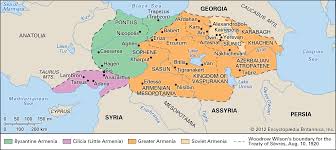
Armenia, a country nestled in the Caucasus region, is a land steeped in rich history and vibrant traditions. From its ancient archaeological sites to its modern-day cultural celebrations, Armenia captivates visitors with its enchanting charm.

One of the defining aspects of Armenian culture is its deep-rooted connection to Christianity. The country boasts a wealth of stunning monasteries and churches, such as the UNESCO World Heritage site of Geghard Monastery and the iconic Tatev Monastery perched on a cliff edge.

Armenian cuisine is another highlight, known for its flavourful dishes that showcase a fusion of Mediterranean and Middle Eastern influences. From succulent kebabs to hearty stews like khorovats and dolma, Armenian food delights the taste buds and reflects the warmth of Armenian hospitality.

Music and dance play a significant role in Armenian culture, with traditional folk dances like Kochari and Tamzara bringing communities together in joyous celebration. The haunting melodies of duduk, an ancient double-reed woodwind instrument, evoke a sense of nostalgia and melancholy that resonates deeply with listeners.

Armenia’s artistic heritage is also noteworthy, with intricate khachkars (cross-stones) dotting the landscape and contemporary artists like Martiros Saryan gaining international acclaim for their innovative works. The country’s craftsmanship is evident in its intricate carpets, ceramics, and jewellery that showcase centuries-old techniques passed down through generations.

As visitors explore Armenia’s picturesque landscapes, from the serene shores of Lake Sevan to the rugged beauty of Mount Ararat, they are enveloped in a sense of wonder and awe at the natural splendour that defines this ancient land.

In conclusion, Armenian culture is a tapestry woven from centuries of history, tradition, and resilience. Its allure lies in its ability to simultaneously honour the past while embracing modernity, creating a dynamic cultural landscape that continues to inspire all who experience it.


Discover Armenia: 5 Essential Tips for Embracing Language, Culture, and History

  1. Learn the Armenian alphabet which consists of 39 unique characters.
  2. Practice common phrases such as greetings and simple expressions to communicate effectively.
  3. Explore Armenian cuisine to experience traditional dishes like dolma, lavash, and baklava.
  4. Visit historical sites in Armenia such as Geghard Monastery and Tatev Monastery to learn about the country’s rich history.
  5. Engage with locals to immerse yourself in the culture and customs of Armenia.

Learn the Armenian alphabet which consists of 39 unique characters.

Discover the beauty and intricacy of the Armenian language by immersing yourself in its unique alphabet, comprised of 39 distinct characters. Each symbol holds a story and significance, reflecting the rich cultural heritage and linguistic diversity of Armenia. Embracing the Armenian alphabet not only opens doors to communication but also unveils a deeper understanding of the country’s history and identity encoded within each letter.

Practice common phrases such as greetings and simple expressions to communicate effectively.

To effectively communicate in Armenian, it is beneficial to practice common phrases such as greetings and simple expressions. Mastering these basic elements of the language not only enhances your ability to connect with native speakers but also shows respect for the local culture. By familiarising yourself with everyday phrases, you can navigate social interactions more smoothly and build rapport with Armenians, fostering meaningful connections and enriching your overall experience in the country.

Explore Armenian cuisine to experience traditional dishes like dolma, lavash, and baklava.

Embark on a culinary journey through Armenian cuisine to savour the authentic flavours of traditional dishes such as dolma, lavash, and baklava. These culinary delights offer a taste of Armenia’s rich gastronomic heritage, blending unique spices and ingredients to create dishes that are both delicious and culturally significant. From the hearty stuffed grape leaves of dolma to the thin, soft bread of lavash and the sweet layers of pastry in baklava, exploring Armenian cuisine is sure to tantalise your taste buds and provide a glimpse into the country’s vibrant culinary traditions.

Visit historical sites in Armenia such as Geghard Monastery and Tatev Monastery to learn about the country’s rich history.

When visiting Armenia, make sure to explore historical sites like Geghard Monastery and Tatev Monastery to delve into the country’s fascinating history. These iconic landmarks offer a glimpse into Armenia’s rich cultural heritage, showcasing intricate architecture and spiritual significance that date back centuries. By immersing yourself in these historical sites, you can gain a deeper understanding of Armenia’s past and appreciate the enduring legacy that continues to shape the country today.

Engage with locals to immerse yourself in the culture and customs of Armenia.

To truly experience the essence of Armenian culture, it is essential to engage with locals and immerse yourself in their customs and way of life. By interacting with the warm and welcoming people of Armenia, you gain a deeper understanding of their traditions, values, and daily experiences. Whether sharing a meal with a local family, participating in a traditional dance, or simply striking up a conversation at a bustling market, these interactions offer invaluable insights into the rich tapestry of Armenian culture. Embracing this authentic connection with locals allows you to appreciate the nuances and intricacies of Armenia’s heritage in a meaningful and unforgettable way.

Unveiling Armenia’s Enchanting Charms: A Journey Through History and Beauty

armenia's

The Enchanting Beauty of Armenia

Armenia, a country nestled in the Caucasus region, is a land of captivating landscapes, rich history, and vibrant culture. From ancient monasteries perched on rugged mountains to bustling markets filled with the aroma of traditional delicacies, Armenia offers a tapestry of experiences for visitors to explore.

One of the most striking features of Armenia is its diverse geography. The country is home to lush forests, sparkling lakes, and snow-capped peaks that provide a stunning backdrop for outdoor enthusiasts and nature lovers. Lake Sevan, the largest lake in the Caucasus, is a popular destination for those seeking tranquillity and natural beauty.

Armenia’s history is as fascinating as its landscapes. With a heritage dating back thousands of years, the country boasts ancient archaeological sites such as Garni Temple and Geghard Monastery, both UNESCO World Heritage Sites that showcase the architectural prowess of past civilizations.

The warmth and hospitality of the Armenian people are evident in their vibrant culture. Traditional music and dance performances offer a glimpse into the soul of the nation, while local markets brim with colourful handicrafts and fresh produce that reflect Armenia’s culinary delights.

As you traverse through Armenia’s winding streets and verdant valleys, you’ll encounter a blend of old-world charm and modern innovation that makes this country truly unique. Whether you’re exploring historic Yerevan or hiking through the rugged terrain of Dilijan National Park, Armenia promises an unforgettable journey filled with beauty and wonder.

Discover the magic of Armenia for yourself and immerse yourself in a world where history meets hospitality, nature meets culture, and every moment is an opportunity to create cherished memories.


Exploring Armenia: 7 Tips for Discovering Its Rich Culture, Cuisine, and Hospitality

  1. Armenia is a landlocked country located in the South Caucasus region of Eurasia.
  2. The capital and largest city of Armenia is Yerevan.
  3. Armenian cuisine is known for its rich flavours and traditional dishes like dolma and lavash.
  4. Armenia has a rich cultural heritage with ancient monasteries, churches, and historical sites to explore.
  5. Mount Ararat, a dormant volcano and national symbol of Armenia, is believed to be the resting place of Noah’s Ark.
  6. When visiting Armenia, make sure to try Armenian brandy which is famous worldwide.
  7. Armenians are known for their hospitality and warmth towards guests.

Armenia is a landlocked country located in the South Caucasus region of Eurasia.

Armenia is a landlocked country situated in the South Caucasus region of Eurasia. Surrounded by Georgia to the north, Azerbaijan to the east, Iran to the south, and Turkey to the west, Armenia’s strategic location has shaped its history and culture over millennia. Despite being landlocked, Armenia’s breathtaking landscapes, rich heritage, and warm hospitality continue to attract visitors from around the world, offering a glimpse into a country that seamlessly blends tradition with modernity.

The capital and largest city of Armenia is Yerevan.

Yerevan, the capital and largest city of Armenia, is a vibrant metropolis that blends ancient history with modern charm. Known for its pink-hued buildings and grand Soviet-era architecture, Yerevan is a cultural hub where bustling markets, lively cafes, and historic landmarks converge. The city’s rich heritage is reflected in its museums, theatres, and galleries, offering visitors a glimpse into Armenia’s past while embracing the dynamic energy of its present. With a backdrop of majestic Mount Ararat on the horizon, Yerevan invites exploration and discovery, promising an unforgettable experience for all who wander its streets.

Armenian cuisine is known for its rich flavours and traditional dishes like dolma and lavash.

Armenian cuisine is renowned for its exquisite blend of rich flavours and time-honoured recipes that have been passed down through generations. Dishes such as dolma, with its tender grape leaves enveloping a savoury rice filling, and lavash, the soft and thin unleavened flatbread, are emblematic of Armenia’s culinary heritage. Each bite offers a taste of tradition and a glimpse into the culinary artistry that defines Armenian gastronomy.

Armenia has a rich cultural heritage with ancient monasteries, churches, and historical sites to explore.

Armenia boasts a rich cultural heritage, inviting visitors to delve into its ancient past through a tapestry of monasteries, churches, and historical sites. Each site tells a story of Armenia’s enduring legacy, offering a glimpse into the country’s spiritual and architectural history. From the majestic monasteries perched atop rugged cliffs to the ornate churches adorned with intricate carvings, exploring Armenia’s cultural treasures is a journey through time that promises to captivate and inspire all who seek to uncover its profound significance.

Mount Ararat, a dormant volcano and national symbol of Armenia, is believed to be the resting place of Noah’s Ark.

Mount Ararat, a dormant volcano and national symbol of Armenia, holds a special place in the country’s folklore and heritage. Revered as the legendary resting place of Noah’s Ark, this majestic peak stands as a powerful symbol of resilience and hope for the Armenian people. The sight of Mount Ararat on the horizon evokes a sense of awe and wonder, connecting present-day Armenia to its ancient past and stirring the imagination with tales of survival and rebirth.

When visiting Armenia, make sure to try Armenian brandy which is famous worldwide.

When visiting Armenia, be sure to indulge in the exquisite experience of tasting Armenian brandy, renowned globally for its exceptional quality and rich flavour. Produced with meticulous craftsmanship and a tradition that spans centuries, Armenian brandy offers a sensory journey that captures the essence of the country’s heritage and expertise in distillation. Sip on this iconic spirit to savour a taste of Armenia’s esteemed contribution to the world of fine beverages.

Armenians are known for their hospitality and warmth towards guests.

Armenians are renowned for their exceptional hospitality and genuine warmth when welcoming guests. From offering traditional sweets and aromatic coffee to sharing heartfelt conversations, Armenians take pride in making visitors feel like cherished members of their community. This culture of hospitality is deeply ingrained in Armenian traditions, reflecting a genuine desire to connect with others and create lasting bonds through shared experiences and mutual respect.

Unveiling the Charms of Armenia: A Journey Through History and Beauty

armenia

Discover Armenia

The Beauty and Richness of Armenia

Armenia, a country nestled in the Caucasus region between Europe and Asia, is a land of incredible beauty and rich history. From its stunning landscapes to its ancient cultural heritage, Armenia captivates visitors with its charm and authenticity.

Natural Wonders

Armenia boasts a diverse range of natural landscapes, from lush forests to rugged mountains. The majestic Mount Ararat, with its snow-capped peaks, is an iconic symbol of the country. Lake Sevan, one of the largest high-altitude lakes in the world, offers breathtaking views and opportunities for relaxation.

Cultural Heritage

Armenia has a deep-rooted cultural heritage that dates back thousands of years. The country is home to ancient monasteries, such as Tatev Monastery and Geghard Monastery, which stand as testaments to Armenia’s architectural prowess and religious history. Yerevan, the capital city, blends modernity with tradition, featuring bustling markets and historic landmarks.

Culinary Delights

Armenian cuisine is a true reflection of the country’s history and geography. Dishes like dolma (stuffed grape leaves), lavash (flatbread), and khorovats (barbecue) showcase the richness of Armenian flavours. Visitors can indulge in local wines and brandies that have gained international acclaim.

Hospitality and Warmth

One of the defining characteristics of Armenia is the hospitality of its people. Armenians are known for their warmth and generosity towards guests, making visitors feel welcome and at home. Traditional dances, music performances, and festivals offer glimpses into Armenian culture and traditions.

Plan Your Visit

Whether you are drawn to its natural wonders, cultural sites, or culinary delights, Armenia has something for every traveller. Explore this hidden gem in the Caucasus region and immerse yourself in the beauty and richness of Armenia.


Discover Armenia: A Land of Rich Heritage, Natural Beauty, and Warm Hospitality

  1. Rich cultural heritage spanning millennia
  2. Stunning natural landscapes, from mountains to lakes
  3. Warm hospitality and friendliness of the locals
  4. Delicious and diverse Armenian cuisine
  5. Historic monasteries and architectural wonders
  6. Unique traditional music and dance performances
  7. Affordable travel destination with great value for money
  8. Safe and welcoming environment for tourists
  9. Opportunities for outdoor activities like hiking and skiing


Challenges Faced by Visitors to Armenia: Transportation, Language, Weather, Amenities, and Politics

  1. Limited public transportation options in some areas
  2. Language barrier for non-Armenian speakers
  3. Seasonal weather extremes, with hot summers and cold winters
  4. Some regions may have limited access to modern amenities
  5. Potential political tensions in the region

Rich cultural heritage spanning millennia

Armenia boasts a rich cultural heritage that spans millennia, making it a treasure trove of history and tradition. From ancient monasteries to intricate architectural wonders, Armenia’s cultural legacy reflects the depth of its historical roots. The country’s art, music, and literature showcase a vibrant tapestry of creativity that has been nurtured over centuries. Visitors to Armenia are immersed in a world where every stone tells a story and every tradition carries the weight of generations past, creating an enriching experience that resonates with the echoes of time.

Stunning natural landscapes, from mountains to lakes

Armenia’s breathtaking natural landscapes, ranging from majestic mountains to serene lakes, showcase the country’s unparalleled beauty. The rugged peaks of Mount Ararat and the tranquil waters of Lake Sevan offer visitors a glimpse into Armenia’s diverse and awe-inspiring geography. Whether exploring the lush forests or admiring the snow-capped summits, Armenia’s picturesque scenery never fails to captivate and inspire all who venture into its stunning surroundings.

Warm hospitality and friendliness of the locals

Travellers to Armenia are often enchanted by the warm hospitality and genuine friendliness of the locals. Armenians have a deep-rooted culture of welcoming guests with open arms, making visitors feel like cherished friends from the moment they arrive. Whether sharing a traditional meal, engaging in heartfelt conversations, or receiving assistance and guidance, the genuine warmth and kindness of the Armenian people create memorable experiences that leave a lasting impression on all who have the pleasure of encountering their hospitality.

Delicious and diverse Armenian cuisine

Armenia is renowned for its delicious and diverse cuisine, offering a culinary experience that delights the senses. From traditional dishes like dolma and lavash to mouth-watering kebabs and sweet treats such as baklava, Armenian cuisine is a true reflection of the country’s rich history and cultural influences. The use of fresh ingredients, aromatic herbs, and unique spices creates a symphony of flavours that captivates food enthusiasts from around the world. Whether enjoying a hearty meal in a local tavern or sampling street food at bustling markets, exploring Armenian cuisine is a journey of discovery and delight for the taste buds.

Historic monasteries and architectural wonders

Armenia boasts a remarkable array of historic monasteries and architectural wonders that showcase the country’s rich cultural heritage. From the intricate carvings of Geghard Monastery to the breathtaking setting of Tatev Monastery perched on a cliff edge, these ancient sites offer a glimpse into Armenia’s past glory and architectural prowess. Each monastery tells a story of faith, resilience, and artistic excellence, making them not just architectural marvels but also spiritual landmarks that have stood the test of time. Whether exploring the intricate details of Khachkars or marvelling at the grandeur of medieval churches, visitors to Armenia are sure to be captivated by the beauty and significance of these historic treasures.

Unique traditional music and dance performances

Armenia’s vibrant cultural scene is enriched by its unique traditional music and dance performances. Rooted in centuries-old traditions, Armenian music and dance showcase the country’s rich heritage and artistic expression. From the soul-stirring melodies of duduk, a traditional Armenian woodwind instrument, to the energetic movements of traditional dances like Kochari and Tamzara, these performances captivate audiences with their authenticity and passion. Through music and dance, Armenia preserves its cultural identity and invites others to experience the beauty of its artistic traditions.

Affordable travel destination with great value for money

Armenia stands out as an affordable travel destination that offers exceptional value for money. With its budget-friendly accommodation options, reasonably priced dining experiences featuring delicious local cuisine, and affordable transportation within the country, visitors can explore Armenia without breaking the bank. This makes it an ideal choice for travellers seeking a memorable and cost-effective journey filled with cultural discoveries and scenic adventures.

Safe and welcoming environment for tourists

Armenia offers a safe and welcoming environment for tourists, making it an ideal destination for travellers seeking peace of mind and genuine hospitality. The country’s low crime rates and friendly locals create a sense of security that allows visitors to explore its rich cultural heritage and natural beauty without hesitation. From the bustling streets of Yerevan to the serene countryside, tourists can experience the warmth and generosity of the Armenian people, ensuring a memorable and enjoyable stay in this hospitable nation.

Opportunities for outdoor activities like hiking and skiing

Armenia offers abundant opportunities for outdoor enthusiasts seeking adventure in the midst of stunning natural landscapes. From exhilarating hiking trails that lead to panoramic views of mountains and valleys to world-class skiing resorts with powdery slopes, Armenia caters to those looking to embrace the great outdoors. Whether you are a seasoned hiker or an avid skier, the diverse terrain and favourable climate of Armenia provide the perfect setting for unforgettable outdoor experiences.

Limited public transportation options in some areas

Limited public transportation options in certain areas of Armenia present a challenge for residents and visitors alike. Access to efficient and reliable transportation is essential for mobility and connectivity, yet some regions may lack adequate infrastructure or frequency of services. This limitation can impact daily commutes, access to essential services, and overall convenience for individuals relying on public transport. Addressing this issue could enhance accessibility and improve the quality of life for communities in these underserved areas.

Language barrier for non-Armenian speakers

Travelling in Armenia can present a challenge for non-Armenian speakers due to the prevalent language barrier. Armenian is the official language of the country, and while many Armenians do speak English, especially in urban areas and tourist spots, communication outside these areas can be difficult. This language barrier may hinder seamless interactions with locals, navigating public transportation, or fully understanding cultural nuances. However, with some basic phrases and a willingness to embrace non-verbal communication, visitors can still enjoy all that Armenia has to offer while immersing themselves in a truly authentic experience.

Seasonal weather extremes, with hot summers and cold winters

Armenia’s seasonal weather extremes present a challenge to residents and visitors alike, with scorching hot summers and bitterly cold winters. The contrast between the two seasons can be stark, requiring individuals to adapt to significant temperature fluctuations throughout the year. While the summer sun can be intense, offering opportunities for outdoor activities and exploration, the winter chill brings heavy snowfall and frosty conditions that necessitate careful preparation. Despite these weather challenges, Armenia’s unique climate adds a distinct character to the country’s landscape and contributes to its diverse appeal for those seeking both summer warmth and winter wonderland experiences.

Some regions may have limited access to modern amenities

In certain regions of Armenia, limited access to modern amenities can pose a challenge for residents and visitors alike. While major cities like Yerevan may offer a range of facilities and services, more remote areas could experience constraints in terms of infrastructure, technology, and conveniences. This disparity in access to modern amenities highlights the need for continued development and investment to ensure that all regions of Armenia can benefit from essential resources and services for a better quality of life.

Potential political tensions in the region

Armenia faces the con of potential political tensions in the region, stemming from its complex geopolitical landscape and historical conflicts. The country’s proximity to various contentious borders and ongoing disputes can lead to instability and uncertainty. These political tensions pose challenges for Armenia’s development and can impact both domestic affairs and international relations. Navigating this delicate balance requires diplomatic finesse and a proactive approach to promoting peace and stability in the region.

Savour the Flavours: Discover Mouth-Watering Slow Cooker Recipes

slow cooker recipes

The Art of Slow Cooking: Exploring Delicious Slow Cooker Recipes

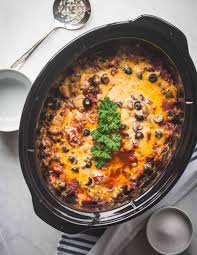
Slow cooking has become a popular culinary trend for busy individuals looking to enjoy homemade meals without spending hours in the kitchen. With the convenience of a slow cooker, you can effortlessly prepare flavourful dishes that are sure to tantalise your taste buds. Let’s delve into the world of slow cooker recipes and discover the magic of this cooking method.

Why Choose Slow Cooker Recipes?

Slow cooker recipes offer a host of benefits beyond just convenience. By allowing ingredients to simmer and meld together over several hours, slow cooking enhances the flavours and textures of dishes, resulting in rich and succulent meals. Moreover, this method is incredibly versatile, accommodating a wide range of ingredients from meats and vegetables to soups and stews.

Popular Slow Cooker Recipes

From hearty beef stew to creamy chicken curry, the possibilities are endless when it comes to slow cooker recipes. Here are a few classic favourites:

  • Pulled Pork: Tender, juicy pork shoulder slowly cooked in a tangy barbecue sauce until it falls apart effortlessly.
  • Vegetable Ratatouille: A medley of seasonal vegetables simmered in a tomato-based sauce for a comforting vegetarian dish.
  • Lentil Soup: Nutritious lentils combined with aromatic spices and vegetables for a satisfying and wholesome soup.

Tips for Successful Slow Cooking

To make the most of your slow cooker recipes, keep these tips in mind:

  • Prep Ahead: Chop ingredients in advance to streamline the cooking process.
  • Layer Flavours: Build layers of flavour by sautéing ingredients before adding them to the slow cooker.
  • Avoid Overfilling: Fill your slow cooker no more than two-thirds full to ensure even cooking.
  • Patience is Key: Allow sufficient time for ingredients to cook and develop their full flavour potential.

Embrace the art of slow cooking and elevate your culinary repertoire with these delectable slow cooker recipes. Whether you’re hosting a dinner party or simply craving a comforting meal at home, let your trusty slow cooker work its magic for delicious results every time.


Top 7 Frequently Asked Questions About Slow Cooker Recipes

  1. 1. How long should I cook a dish in a slow cooker?
  2. 2. Can I put raw meat directly into the slow cooker?
  3. 3. Are there any ingredients that are not suitable for slow cooking?
  4. 4. Do I need to add extra liquid when using a slow cooker?
  5. 5. Can I convert conventional recipes to slow cooker recipes?
  6. 6. Is it safe to leave a slow cooker unattended while cooking?
  7. 7. How can I prevent my dish from becoming too watery in the slow cooker?

1. How long should I cook a dish in a slow cooker?

When it comes to determining the ideal cooking time for a dish in a slow cooker, the key factor to consider is the recipe’s specific requirements. Generally, slow cooker recipes typically range from 4 to 10 hours on low heat or 2 to 6 hours on high heat. It is crucial to follow the recipe instructions carefully, as different ingredients and cooking methods may influence the required cooking duration. Additionally, factors such as the size of the cut ingredients and the desired tenderness of the final dish can also impact the cooking time. By understanding these nuances and adjusting accordingly, you can ensure that your slow cooker meal turns out perfectly cooked and full of flavour.

2. Can I put raw meat directly into the slow cooker?

When it comes to using a slow cooker, a common query that arises is whether it is safe to put raw meat directly into the appliance. The answer is yes, you can indeed add raw meat to your slow cooker. Slow cookers are designed to cook ingredients at low temperatures over an extended period, allowing the meat to reach a safe internal temperature and become tender and flavourful. However, it is essential to follow food safety guidelines by ensuring that the meat is fresh, properly seasoned, and cooked thoroughly before consumption to avoid any risks of foodborne illnesses.

3. Are there any ingredients that are not suitable for slow cooking?

Certain ingredients are not well-suited for slow cooking due to their delicate nature or specific cooking requirements. Ingredients such as seafood, quick-cooking vegetables like spinach or peas, and dairy products like milk and cheese are best added towards the end of the cooking process in a slow cooker to prevent them from becoming overcooked or curdling. Additionally, recipes that require a crispy or crunchy texture may not fare well in a slow cooker, as the enclosed environment does not allow for the desired crispness to develop. It’s important to choose ingredients that can withstand long hours of gentle cooking to ensure successful and delicious results when using a slow cooker.

4. Do I need to add extra liquid when using a slow cooker?

When utilising a slow cooker for meal preparation, the need to add extra liquid is a common query among home cooks. The amount of liquid required in a slow cooker recipe largely depends on the specific ingredients and cooking duration. Generally, it is advisable to include sufficient liquid to prevent the dish from drying out during the prolonged cooking process. However, it is essential to exercise caution and avoid overfilling the slow cooker with excessive liquid, as this can dilute the flavours and affect the overall consistency of the dish. Finding the right balance of liquid is key to achieving perfectly cooked and flavourful results when using a slow cooker.

5. Can I convert conventional recipes to slow cooker recipes?

When it comes to converting conventional recipes to slow cooker recipes, the answer is a resounding yes. With a few adjustments and considerations, you can easily adapt your favourite dishes for slow cooking. To successfully convert a conventional recipe, it’s essential to adjust the cooking times and liquid quantities to account for the longer, gentler cooking process of a slow cooker. By making these modifications and allowing the flavours to develop slowly over time, you can transform almost any recipe into a delicious slow cooker creation that is sure to impress your taste buds.

6. Is it safe to leave a slow cooker unattended while cooking?

Leaving a slow cooker unattended while cooking is generally considered safe, as long as it is used according to the manufacturer’s instructions. Slow cookers are designed to operate at low temperatures over an extended period, reducing the risk of accidents or food burning. However, it is essential to ensure that the slow cooker is placed on a stable surface away from any flammable materials and that the power cord is not damaged. Additionally, it is recommended to check the slow cooker periodically during cooking to ensure everything is progressing as expected and to follow any specific safety guidelines provided with the appliance.

7. How can I prevent my dish from becoming too watery in the slow cooker?

To prevent your dish from becoming too watery in the slow cooker, it’s essential to be mindful of the liquid content of your recipe. Start by reducing the amount of liquid called for in the recipe, as ingredients will release moisture during the cooking process. Additionally, avoid lifting the lid unnecessarily during cooking, as this can lead to a build-up of excess steam that may contribute to a watery consistency. If your dish still appears too watery towards the end of cooking, you can thicken it by removing some liquid and simmering it on a stovetop to achieve your desired consistency. By adjusting these factors and monitoring the liquid levels throughout the cooking time, you can maintain a perfect balance and ensure that your slow cooker creations turn out just right.

Savour the Flavours: Exploring the Delightful World of Spaghetti Bolognese

spaghetti bolognese

The Classic Comfort Food: Spaghetti Bolognese

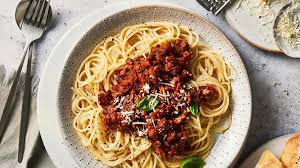
Spaghetti Bolognese, a timeless Italian dish, has captured the hearts and taste buds of food enthusiasts around the world. This hearty and flavourful meal combines al dente spaghetti with a rich, meaty Bolognese sauce that is simmered to perfection.

The origins of Spaghetti Bolognese can be traced back to the city of Bologna in Italy, where it is known as “Ragù alla Bolognese.” The traditional recipe calls for a slow-cooked sauce made with minced meat, tomatoes, onions, carrots, celery, and a hint of red wine. The result is a luscious and savoury sauce that coats each strand of pasta with deliciousness.

One of the beauties of Spaghetti Bolognese is its versatility. While the classic version remains a favourite among purists, many variations exist to suit different tastes and dietary preferences. Vegetarians can enjoy a meat-free version using lentils or mushrooms as a substitute for the minced meat.

Whether enjoyed at a family dinner table or savoured in a cosy Italian trattoria, Spaghetti Bolognese never fails to evoke feelings of comfort and satisfaction. Its simple yet robust flavours make it a go-to meal for busy weeknights or leisurely weekend gatherings.

So next time you’re craving a comforting bowl of pasta, why not whip up a batch of Spaghetti Bolognese? With its delicious blend of textures and tastes, this classic dish is sure to warm your soul and leave you longing for more.


9 Essential Tips for Perfecting Your Spaghetti Bolognese

  1. Use high-quality minced beef for better flavour and texture.
  2. Cook the spaghetti until al dente for the best texture.
  3. Add a splash of red wine to enhance the depth of flavour in the sauce.
  4. Incorporate finely chopped vegetables like carrots and celery for added nutrition.
  5. Simmer the bolognese sauce slowly to allow the flavours to develop fully.
  6. Grate fresh Parmesan cheese on top before serving for extra richness.
  7. Consider using a mix of beef and pork mince for a more complex taste.
  8. Season generously with salt, pepper, and herbs like oregano and basil.
  9. Leftover bolognese can be frozen and used later for quick meals.

Use high-quality minced beef for better flavour and texture.

When preparing Spaghetti Bolognese, it is essential to use high-quality minced beef to enhance the dish’s flavour and texture. Opting for premium-grade beef ensures a richer and more succulent sauce, as the meat’s quality significantly impacts the overall taste of the dish. The superior marbling and freshness of high-quality minced beef not only elevate the Bolognese sauce but also contribute to a more satisfying dining experience, making each bite a delightful treat for the palate.

Cook the spaghetti until al dente for the best texture.

To achieve the perfect texture in your Spaghetti Bolognese, it is essential to cook the spaghetti until al dente. This Italian term, meaning “to the tooth,” refers to pasta that is cooked just enough to retain a firm bite and slight resistance when chewed. Cooking the spaghetti to al dente ensures that it complements the rich Bolognese sauce harmoniously, creating a satisfying contrast in textures that elevates the overall dining experience. Mastering this cooking technique is key to unlocking the full potential of your Spaghetti Bolognese and delighting your taste buds with every forkful.

Add a splash of red wine to enhance the depth of flavour in the sauce.

To elevate the richness of your Spaghetti Bolognese sauce, consider incorporating a splash of red wine into the mix. This simple tip can work wonders in enhancing the depth of flavour, adding a subtle complexity that complements the meaty and aromatic components of the dish. The red wine not only infuses a hint of acidity but also brings out the savoury notes, creating a more well-rounded and satisfying culinary experience for your taste buds.

Incorporate finely chopped vegetables like carrots and celery for added nutrition.

To enhance the nutritional value of your spaghetti bolognese, consider incorporating finely chopped vegetables such as carrots and celery into your sauce. These additions not only bring a delightful crunch to each bite but also introduce a wealth of vitamins and minerals to the dish. Carrots provide a natural sweetness and vibrant colour, while celery lends a refreshing note, creating a well-rounded flavour profile that complements the richness of the meat sauce. By including these wholesome ingredients, you can elevate the health benefits of your meal without compromising on taste.

Simmer the bolognese sauce slowly to allow the flavours to develop fully.

To enhance the depth of flavour in your Spaghetti Bolognese, it is crucial to simmer the bolognese sauce slowly. This cooking technique allows the ingredients to meld together harmoniously, unlocking a rich and complex taste profile. By giving the sauce ample time to simmer gently, you give each component the opportunity to release its full potential, resulting in a truly delectable dining experience. Embrace patience in the kitchen and let the magic of slow simmering elevate your Spaghetti Bolognese to new heights of culinary delight.

Grate fresh Parmesan cheese on top before serving for extra richness.

Enhance the indulgence of your Spaghetti Bolognese by generously grating fresh Parmesan cheese over the dish just before serving. The addition of this savoury and nutty cheese not only adds a touch of luxury but also brings a delightful richness to each bite. The creamy texture and bold flavour of Parmesan perfectly complement the hearty Bolognese sauce, elevating the overall dining experience to a whole new level of culinary delight.

Consider using a mix of beef and pork mince for a more complex taste.

For a more nuanced flavour profile in your Spaghetti Bolognese, it is recommended to use a combination of beef and pork mince. By blending these two types of meat, you can elevate the dish with a richer and more complex taste. The beef adds depth and savouriness, while the pork contributes a touch of sweetness and tenderness to the sauce. This harmonious mix creates a delightful balance that enhances the overall dining experience, making each bite of spaghetti even more satisfying and delicious.

Season generously with salt, pepper, and herbs like oregano and basil.

To enhance the flavours of your Spaghetti Bolognese, it is recommended to season generously with salt, pepper, and aromatic herbs such as oregano and basil. These ingredients not only add depth and complexity to the dish but also infuse it with a delightful fragrance that will tantalise your senses. The combination of savoury salt, zesty pepper, and earthy herbs creates a harmonious balance that elevates the overall taste of the Bolognese sauce, making each bite a truly satisfying experience.

Leftover bolognese can be frozen and used later for quick meals.

Leftover Bolognese sauce is a handy kitchen secret that can save time and effort on busy days. By freezing the extra sauce, you can easily whip up a delicious meal in no time whenever hunger strikes. Simply defrost the frozen Bolognese and serve it over freshly cooked spaghetti for a quick and satisfying dinner option. This tip not only helps reduce food waste but also ensures that you always have a comforting meal ready to enjoy at a moment’s notice.

Flipping Fantastic: Exploring the World of Pancakes

pancakes

The Delicious World of Pancakes

Pancakes, a beloved breakfast staple enjoyed by people around the globe, have a rich history and endless variations that cater to every palate. Whether you prefer them thin and crepe-like or thick and fluffy, there is a pancake for everyone.

Originating from ancient Greece and Rome, pancakes have evolved over centuries to become a versatile dish that can be sweet or savoury, simple or elaborate. In the UK, pancakes are traditionally enjoyed on Shrove Tuesday, also known as Pancake Day, where families gather to flip and feast on these delectable treats.

One of the most popular toppings for pancakes in the UK is classic lemon and sugar, providing a perfect balance of tangy and sweet flavours. For those with a sweet tooth, maple syrup, chocolate spread, or fresh berries are delightful accompaniments that elevate the pancake experience.

For those looking for a savoury twist, toppings like crispy bacon, melted cheese, or smoked salmon can turn pancakes into a satisfying meal any time of day. Experimenting with different ingredients such as herbs, spices, and vegetables opens up a world of creative possibilities for pancake enthusiasts.

Whether you enjoy them as a leisurely weekend brunch or a quick weekday breakfast on-the-go, pancakes never fail to bring joy and comfort with every bite. So next time you’re craving something delicious and comforting, whip up a batch of pancakes and indulge in this timeless culinary delight.


Everything You Need to Know About Pancakes: Recipes, Tips, and Traditions

  1. 1. How do you make pancakes from scratch?
  2. 2. What is the difference between American pancakes and British pancakes?
  3. 3. Can you freeze pancakes?
  4. 4. What are some creative pancake toppings?
  5. 5. Are there any vegan or gluten-free pancake recipes?
  6. 6. How can I make fluffy pancakes?
  7. 7. What is the history of Pancake Day in the UK?
  8. 8. Are there any healthy pancake recipes?

1. How do you make pancakes from scratch?

When it comes to making pancakes from scratch, the process is surprisingly simple and rewarding. To start, you’ll need basic ingredients like flour, eggs, milk, and a pinch of salt. Begin by whisking the dry ingredients together before adding in the wet ingredients to form a smooth batter. Heat a non-stick pan or griddle, ladle the batter onto the surface, and cook until bubbles form on the top before flipping to cook the other side. The key is patience and a watchful eye to achieve that perfect golden-brown hue. Once cooked, serve your homemade pancakes with your favourite toppings for a delicious breakfast or snack that will surely impress your taste buds.

2. What is the difference between American pancakes and British pancakes?

When comparing American pancakes to British pancakes, the key differences lie in their texture and thickness. American pancakes are typically thicker and fluffier, thanks to the addition of baking powder or baking soda in the batter, which helps them rise. They often have a lighter, cake-like consistency and are commonly served stacked with butter and maple syrup. On the other hand, British pancakes are thinner and more akin to crepes, with a delicate and slightly chewy texture. They are usually enjoyed with simple toppings like lemon juice and sugar or jam. These distinctions in preparation and presentation contribute to the unique characteristics that define American and British pancakes, offering diverse options for pancake enthusiasts to savour.

3. Can you freeze pancakes?

Freezing pancakes is a convenient way to enjoy this breakfast favourite at any time. Whether you have leftover pancakes or want to prepare a batch in advance, freezing them can help extend their shelf life. To freeze pancakes, simply allow them to cool completely, then stack them with parchment paper in between to prevent sticking. Place the stack in an airtight container or freezer bag before storing in the freezer. When ready to enjoy, simply reheat the frozen pancakes in a toaster, microwave, or oven for a quick and delicious meal on-the-go.

4. What are some creative pancake toppings?

When it comes to creative pancake toppings, the options are truly endless. From indulgent combinations like Nutella and sliced bananas to more adventurous choices such as savoury bacon and avocado, there is something to suit every taste bud. For a burst of freshness, try topping your pancakes with a mix of fresh berries and a drizzle of honey. If you’re feeling nostalgic, a dollop of whipped cream and sprinkles will bring back childhood memories. Don’t be afraid to experiment with unconventional pairings like peanut butter and jelly or even smoked salmon and cream cheese for a unique twist on the classic pancake experience.

5. Are there any vegan or gluten-free pancake recipes?

For those with dietary restrictions or preferences, there are plenty of vegan and gluten-free pancake recipes available that cater to a variety of needs. Vegan pancakes can be made using plant-based alternatives such as almond milk, flaxseed eggs, and coconut oil, resulting in fluffy and delicious pancakes without any animal products. Similarly, gluten-free pancake recipes often utilise ingredients like rice flour, almond flour, or gluten-free oats to create pancakes that are safe for individuals with gluten sensitivities or celiac disease. With these alternative recipes, everyone can enjoy the simple pleasure of indulging in a stack of pancakes without compromising on taste or dietary requirements.

6. How can I make fluffy pancakes?

To achieve fluffy pancakes, there are a few key tips to keep in mind. Firstly, ensure that your pancake batter is not overmixed; a few lumps are okay as overmixing can lead to dense pancakes. Secondly, let the batter rest for a few minutes before cooking to allow the leavening agents to work their magic. When cooking, use medium heat on a preheated griddle or pan and wait for bubbles to form on the surface before flipping. This will result in light and airy pancakes that are sure to impress your taste buds.

7. What is the history of Pancake Day in the UK?

Pancake Day, also known as Shrove Tuesday, holds a significant place in the cultural and culinary calendar of the UK. This tradition dates back centuries and is rooted in the Christian observance of Lent. Shrove Tuesday falls on the day before Ash Wednesday, marking the beginning of the Lenten season leading up to Easter. Pancakes became associated with this day as a way for people to use up rich ingredients like eggs, milk, and sugar before the fasting period of Lent began. The act of making and consuming pancakes on this day symbolises indulgence and celebration before the solemnity of Lent. Today, Pancake Day in the UK is a time-honoured custom where families and communities come together to enjoy delicious pancakes in various forms, carrying on this historical tradition with joy and festivity.

8. Are there any healthy pancake recipes?

When it comes to pancakes, there are indeed healthy recipe options available for those looking to enjoy this classic dish without compromising on nutrition. By incorporating ingredients like whole wheat flour, oats, Greek yogurt, and fresh fruits into the batter, you can create pancakes that are not only delicious but also packed with fibre, protein, and vitamins. Opting for toppings such as natural nut butter, honey, or unsweetened yogurt can further enhance the health benefits of your pancakes. With a little creativity and some mindful ingredient choices, you can indulge in a nutritious stack of pancakes guilt-free.

Whip Up Tasty Air Fryer Recipes for a Healthy Twist on Classic Dishes

air fryer recipes

Air Fryer Recipes: Delicious and Healthy Cooking Made Easy

Looking for a way to enjoy your favourite fried foods without the guilt? Enter the air fryer – a kitchen appliance that has taken the culinary world by storm. With its ability to crisp up food using hot air circulation, the air fryer offers a healthier alternative to traditional frying methods.

Benefits of Cooking with an Air Fryer

One of the main advantages of using an air fryer is its ability to produce crispy, golden-brown results without the need for excessive oil. This makes it a great option for those looking to cut down on their fat intake while still enjoying delicious fried treats.

Additionally, air fryers are versatile appliances that can be used to cook a wide variety of foods, from chicken wings and fries to vegetables and even desserts. They are also quick and efficient, making them perfect for busy individuals looking to whip up a tasty meal in no time.

Delicious Air Fryer Recipes to Try

Crispy Air Fryer Chicken Wings: Toss chicken wings in your favourite seasonings, then pop them in the air fryer for perfectly crispy results in just 20 minutes.

Air Fryer Sweet Potato Fries: Slice sweet potatoes into thin strips, season with salt and pepper, then air fry until crispy and golden-brown.

Air Fryer Parmesan Crusted Salmon: Coat salmon fillets in a mixture of breadcrumbs and parmesan cheese, then air fry for a deliciously crunchy crust.

Tips for Cooking with an Air Fryer

  • Preheat your air fryer before adding food to ensure even cooking.
  • Avoid overcrowding the basket to allow proper air circulation around the food.
  • Shake or flip food halfway through cooking for consistent crispiness on all sides.
  • Clean your air fryer regularly to maintain optimal performance.

With these tips and recipes in hand, you’ll be well on your way to creating delicious and healthy meals with your trusty air fryer. So why not give it a try and elevate your cooking game today?


Essential Air Fryer FAQs: Using Oil, Best Dishes, Limitations, and Cooking Raw Meat

  1. Can you put oil in an Airfryer?
  2. What is the best thing to cook in an air fryer?
  3. What foods Cannot be cooked in an air fryer?
  4. Can you put raw meat in Airfryer?

Can you put oil in an Airfryer?

When it comes to using an Airfryer, a common question that arises is whether you can put oil in it. The answer is yes, you can use oil in an Airfryer, but it is not always necessary. Air fryers are designed to cook food by circulating hot air around it, which helps achieve a crispy texture similar to frying without the need for large amounts of oil. However, adding a small amount of oil can enhance the flavour and crispiness of certain foods. It’s important to use oils with high smoke points like vegetable or olive oil and apply them sparingly to avoid excess greasiness. Ultimately, the choice to use oil in an Airfryer depends on personal preference and the desired outcome of the dish being prepared.

What is the best thing to cook in an air fryer?

When it comes to the best thing to cook in an air fryer, the options are truly endless. From crispy chicken wings and golden-brown fries to succulent salmon fillets and even decadent desserts, the air fryer can handle a wide range of dishes with ease. Its ability to produce that coveted crispy texture without the need for excessive oil makes it a versatile kitchen companion for those looking to enjoy their favourite fried foods in a healthier way. Whether you’re a meat lover, a vegetable enthusiast, or have a sweet tooth, the air fryer offers endless possibilities for creating delicious and satisfying meals.

What foods Cannot be cooked in an air fryer?

While air fryers are incredibly versatile and can cook a wide range of foods with ease, there are certain items that are not suitable for air frying. Foods that have a wet batter or coating, such as battered fish or tempura, may not yield the desired results in an air fryer as the coating may not crisp up properly. Delicate foods like cheese or avocado can also melt too quickly in the high heat of an air fryer. Additionally, foods that require a lot of liquid for cooking, such as stews or soups, are best prepared using traditional methods rather than in an air fryer. Understanding the limitations of what foods cannot be cooked in an air fryer can help you make informed decisions when planning your meals.

Can you put raw meat in Airfryer?

When it comes to cooking raw meat in an air fryer, the answer is a resounding yes! Air fryers are excellent for cooking a variety of meats, including chicken, beef, pork, and more. The hot air circulation in the air fryer helps to cook the meat evenly and quickly, resulting in juicy and tender dishes with a crispy exterior. Just remember to follow food safety guidelines and ensure that the meat reaches the recommended internal temperature to guarantee it is cooked thoroughly and safe to eat. So go ahead and experiment with different raw meat recipes in your air fryer for delicious and hassle-free meals!

Delightful Cupcake Recipe: A Sweet Treat for Every Occasion

cupcake recipe

The Perfect Cupcake Recipe

Indulge your sweet tooth with our delicious cupcake recipe that is sure to impress your friends and family. Whether you’re a baking enthusiast or a novice in the kitchen, these cupcakes are easy to make and guaranteed to satisfy your cravings.

Ingredients:

  • 150g self-raising flour
  • 150g caster sugar
  • 150g unsalted butter, softened
  • 3 eggs
  • 1 tsp vanilla extract
  • A pinch of salt
  • 100g icing sugar for decoration

Instructions:

  1. Preheat your oven to 180°C and line a cupcake tray with paper cases.
  2. In a mixing bowl, cream together the butter and sugar until light and fluffy.
  3. Add the eggs one at a time, beating well after each addition. Stir in the vanilla extract.
  4. Sift in the flour and salt, then gently fold into the mixture until just combined. Be careful not to overmix.
  5. Spoon the batter into the paper cases, filling each one about two-thirds full.
  6. Bake in the preheated oven for 15-20 minutes or until a skewer inserted into the centre comes out clean.

    Once baked, remove from the oven and allow to cool completely on a wire rack.

    Sift icing sugar over the cupcakes for decoration before serving.

Enjoy!

These delightful cupcakes are perfect for any occasion. Whether you’re hosting a party or simply treating yourself, this recipe is sure to be a hit. Get creative with different toppings or fillings to make them your own!


8 Essential Tips for Perfect Cupcakes Every Time

  1. Ensure all ingredients are at room temperature before starting.
  2. Use a good quality, high-fat butter for a moist and rich texture.
  3. Do not overmix the batter to avoid dense cupcakes.
  4. Fill cupcake liners only two-thirds full to allow room for rising.
  5. Preheat your oven to the correct temperature for even baking.
  6. Rotate your cupcake tray halfway through baking for uniform browning.
  7. Allow cupcakes to cool completely before frosting to prevent melting.
  8. Get creative with decorations like sprinkles, fruits, or edible flowers.

Ensure all ingredients are at room temperature before starting.

To achieve the perfect texture and consistency in your cupcakes, it is essential to ensure that all ingredients are at room temperature before beginning the baking process. When ingredients like butter, eggs, and milk are at room temperature, they blend together more easily, resulting in a smoother batter. This step not only helps to create a uniform mixture but also promotes even baking, leading to cupcakes that are moist and delicious. So remember to plan ahead and allow your ingredients to come to room temperature before diving into this delightful cupcake recipe for optimal results.

Use a good quality, high-fat butter for a moist and rich texture.

For a truly indulgent and decadent cupcake experience, it is essential to use a high-quality, high-fat butter in your recipe. The richness and moisture that this type of butter provides will elevate the texture of your cupcakes, resulting in a melt-in-your-mouth sensation with every bite. Investing in good quality butter is a simple yet effective way to ensure that your cupcakes turn out moist, rich, and utterly delicious.

Do not overmix the batter to avoid dense cupcakes.

To ensure light and fluffy cupcakes, it is crucial not to overmix the batter. Overmixing can lead to dense cupcakes as it develops the gluten in the flour, resulting in a tough texture. To achieve the perfect consistency, gently fold the ingredients together until just combined. This simple tip will help you create cupcakes that are moist, airy, and utterly irresistible.

Fill cupcake liners only two-thirds full to allow room for rising.

When preparing your cupcakes, it’s essential to fill the cupcake liners only two-thirds full. This tip ensures that there is ample space for the batter to rise and expand during baking, resulting in perfectly fluffy and well-formed cupcakes. By following this guideline, you can achieve a desirable cupcake texture and shape, making your sweet treats visually appealing and delightful to eat. Remember, a little attention to detail goes a long way in creating bakery-worthy cupcakes at home.

Preheat your oven to the correct temperature for even baking.

To ensure your cupcakes turn out perfectly baked and with a consistent texture, it is essential to preheat your oven to the correct temperature before placing them inside. Preheating allows the cupcakes to start baking immediately at the desired temperature, promoting even cooking throughout. This step not only helps in achieving a uniform rise and golden crust but also ensures that the cupcakes are cooked through without being under or overdone. So, remember to preheat your oven to the recommended temperature stated in the recipe for delicious and evenly baked cupcakes every time.

Rotate your cupcake tray halfway through baking for uniform browning.

To ensure even browning and consistent baking of your cupcakes, a helpful tip is to rotate your cupcake tray halfway through the baking process. By rotating the tray, you allow each cupcake to be exposed to the heat of the oven more evenly, resulting in a beautifully golden-brown finish across all your cupcakes. This simple technique can make a significant difference in the appearance and taste of your baked treats, ensuring that they come out perfectly every time.

Allow cupcakes to cool completely before frosting to prevent melting.

To ensure that your cupcakes turn out perfectly, it’s essential to allow them to cool completely before frosting. This step is crucial in preventing the frosting from melting or sliding off the cupcakes. By giving the cupcakes enough time to cool, you’ll not only achieve a better texture but also maintain the integrity of your delicious creations. Patience is key when it comes to baking, and taking the time to let your cupcakes cool will result in a beautifully finished treat that is sure to impress.

Get creative with decorations like sprinkles, fruits, or edible flowers.

Elevate your cupcakes to the next level by embracing creativity in your decorations. Whether you opt for colourful sprinkles, fresh fruits, or delicate edible flowers, adding a touch of flair to your cupcakes can transform them into works of art. Experiment with different combinations and arrangements to create visually stunning treats that not only taste delicious but also delight the eyes. Let your imagination run wild and turn your cupcakes into a showcase of your personal style and creativity.

Savouring the Best of British: Fish and Chips Delight

fish and chips

The Classic British Dish: Fish and Chips

The Classic British Dish: Fish and Chips

Fish and chips is a quintessential British dish that has stood the test of time. This iconic meal consists of battered and deep-fried fish served with chunky, golden-brown chips. It has been a favourite among Britons for generations, with its origins dating back to the 19th century.

The key to a perfect plate of fish and chips lies in the quality of its ingredients. The fish, traditionally cod or haddock, should be fresh and flaky, encased in a light and crispy batter. The chips, cut from freshly peeled potatoes, are fried to a crisp perfection on the outside while remaining fluffy on the inside.

One cannot talk about fish and chips without mentioning the accompaniments that complete this classic meal. A generous splash of malt vinegar adds a tangy kick, while a dollop of mushy peas or tartar sauce provides additional flavour dimensions.

Whether enjoyed wrapped in paper from a local chippy or savoured in a quaint seaside restaurant, fish and chips evokes feelings of nostalgia and comfort. It is a dish that brings people together and celebrates the best of British culinary traditions.

So next time you find yourself craving a hearty meal that embodies the essence of British cuisine, treat yourself to some delicious fish and chips – a timeless favourite that never fails to satisfy.


Top Tips for Perfecting Traditional Fish and Chips

  1. Choose fresh fish for the best flavour
  2. Coat the fish in a light and crispy batter
  3. Use high-quality potatoes for perfect chips
  4. Fry the chips twice for extra crispiness
  5. Serve with traditional mushy peas or tartar sauce
  6. Squeeze fresh lemon juice over the fish before serving

Choose fresh fish for the best flavour

When it comes to enjoying the perfect plate of fish and chips, selecting fresh fish is essential for achieving the best flavour. Opting for freshly caught cod or haddock ensures that the fish retains its delicate taste and flaky texture, enhancing the overall dining experience. By prioritising freshness in your choice of fish, you can elevate this beloved British dish to new levels of culinary delight.

Coat the fish in a light and crispy batter

To enhance the texture and flavour of your fish and chips, it is recommended to coat the fish in a light and crispy batter. This batter serves as a protective layer that seals in the moisture of the fish while providing a satisfying crunch with every bite. By achieving the perfect balance between lightness and crispiness, you can elevate the overall dining experience and savour the delightful contrast between the tender fish and the crunchy exterior. Coat your fish with care and precision to ensure a deliciously crispy result that will leave you craving more.

Use high-quality potatoes for perfect chips

Using high-quality potatoes is essential in creating the perfect chips to accompany your fish. Opting for the right variety of potatoes, such as Maris Piper or King Edward, can make a significant difference in the texture and flavour of your chips. These potatoes are known for their ideal starch content, resulting in crispy exteriors and fluffy interiors when cooked to perfection. By selecting top-notch potatoes, you elevate the overall quality of your fish and chips dish, ensuring a delightful culinary experience with every bite.

Fry the chips twice for extra crispiness

For those looking to elevate their fish and chips experience, a handy tip is to fry the chips twice for extra crispiness. This technique involves frying the potato slices at a lower temperature initially to cook them through, followed by a second fry at a higher temperature to achieve that coveted golden crunch. By double-frying the chips, you can ensure a delightful texture that perfectly complements the crispy battered fish, taking this classic British dish to a whole new level of deliciousness.

Serve with traditional mushy peas or tartar sauce

For an authentic British dining experience, it is recommended to serve your fish and chips with traditional mushy peas or tartar sauce. The mushy peas add a touch of green freshness and a hint of sweetness to complement the savoury flavours of the dish. On the other hand, tartar sauce provides a creamy and tangy contrast that enhances the overall taste sensation. These classic accompaniments elevate the enjoyment of fish and chips to a whole new level, making each bite a delightful culinary experience.

Squeeze fresh lemon juice over the fish before serving

Enhance the delightful flavours of your fish and chips by drizzling fresh lemon juice over the crispy battered fish just before serving. The zesty acidity of the lemon cuts through the richness of the dish, adding a refreshing citrusy note that elevates the overall taste experience. This simple tip not only brightens up the dish but also provides a burst of tangy freshness that complements the savoury elements perfectly. Give your fish and chips a delicious twist with this easy yet effective addition of freshly squeezed lemon juice.

Culturally Enriching Perspectives: Embracing Diversity in Today’s World

culturally

The Importance of Embracing Culturally Diverse Perspectives

In today’s interconnected world, the concept of cultural diversity has never been more relevant. Embracing culturally diverse perspectives is not just a matter of tolerance; it is a celebration of the richness and complexity of human experience.

One of the key benefits of engaging with different cultures is the opportunity to broaden our horizons and challenge our preconceptions. By immersing ourselves in unfamiliar customs, traditions, and beliefs, we gain a deeper understanding of the world around us.

Cultural diversity also fosters creativity and innovation. When individuals from diverse backgrounds come together, they bring with them a wealth of unique ideas and insights. This melting pot of perspectives can lead to groundbreaking discoveries and solutions that may not have been possible otherwise.

Furthermore, embracing cultural diversity promotes empathy and compassion. By learning about the experiences and struggles of others, we develop a greater sense of empathy towards those who may be different from us. This, in turn, can help build bridges between communities and foster mutual respect.

Ultimately, embracing culturally diverse perspectives is essential for creating a more inclusive and harmonious society. By recognising the value that each individual brings to the table, we can work towards building a world that celebrates its differences rather than fearing them.


Nine Benefits of Cultural Awareness: Enriching Society and Fostering Growth

  1. Enhances understanding of different customs and traditions
  2. Promotes empathy and compassion towards others
  3. Fosters creativity through diverse perspectives
  4. Encourages open-mindedness and tolerance
  5. Leads to innovative solutions to complex problems
  6. Strengthens community bonds through shared experiences
  7. Celebrates the richness and beauty of human diversity
  8. Provides opportunities for personal growth and learning
  9. Creates a more inclusive and harmonious society


Navigating Cultural Challenges: Understanding the Cons of Diverse Interactions

  1. Misunderstandings due to cultural differences
  2. Ethnocentrism leading to prejudice and discrimination
  3. Difficulty in communication across diverse cultures
  4. Resistance to change or adaptation of new cultural practices
  5. Cultural clashes resulting in conflicts and tension
  6. Loss of traditional values and identity in a globalised world
  7. Stereotyping and generalisation based on cultural backgrounds

Enhances understanding of different customs and traditions

Embracing cultural diversity enhances our understanding of different customs and traditions, allowing us to appreciate the beauty and significance behind practices that may initially seem unfamiliar. By delving into the intricacies of various cultural norms, we not only broaden our knowledge but also develop a deeper respect for the diverse ways in which people around the world express their values and beliefs. This exposure to different customs and traditions fosters a sense of curiosity and open-mindedness, enabling us to forge meaningful connections with individuals from varied backgrounds while fostering a more inclusive and harmonious global community.

Promotes empathy and compassion towards others

Embracing cultural diversity promotes empathy and compassion towards others by encouraging individuals to understand and appreciate different perspectives, experiences, and struggles. By immersing ourselves in diverse cultures, we develop a deeper sense of empathy for those who may have different backgrounds or beliefs than our own. This increased understanding fosters a greater sense of compassion, leading to more inclusive and harmonious interactions with people from all walks of life.

Fosters creativity through diverse perspectives

Embracing cultural diversity fosters creativity through diverse perspectives by bringing together individuals with unique backgrounds, experiences, and insights. When people from different cultures collaborate, they introduce a variety of ideas and approaches that can spark innovation and fresh thinking. This exchange of perspectives encourages creative problem-solving and the exploration of new possibilities, leading to more dynamic and imaginative outcomes in various fields such as art, science, business, and beyond.

Encourages open-mindedness and tolerance

Embracing cultural diversity encourages open-mindedness and tolerance by exposing individuals to a wide range of beliefs, traditions, and perspectives. When we engage with different cultures, we are challenged to set aside our own biases and preconceived notions, fostering a more accepting attitude towards those who may be different from us. This openness allows for meaningful dialogue and mutual understanding, ultimately promoting a more inclusive and harmonious society where diversity is embraced and celebrated.

Leads to innovative solutions to complex problems

Embracing cultural diversity can lead to innovative solutions to complex problems. When individuals from different cultural backgrounds come together, they bring with them a diverse range of perspectives, experiences, and approaches. This diversity of thought can spark creativity and inspire new ways of thinking about and addressing challenges. By incorporating a variety of viewpoints into problem-solving processes, teams can uncover unique solutions that may not have been apparent when approaching the issue from a single cultural lens. Ultimately, leveraging cultural diversity can drive innovation and help tackle complex problems more effectively.

Strengthens community bonds through shared experiences

Embracing cultural diversity strengthens community bonds through shared experiences. When individuals from different backgrounds come together to celebrate their unique traditions and customs, they create opportunities for connection and mutual understanding. These shared experiences foster a sense of belonging and unity among community members, transcending barriers and building strong relationships based on respect and appreciation for each other’s heritage. By engaging in cultural exchanges, communities can bridge divides, promote inclusivity, and cultivate a sense of solidarity that enhances the fabric of society.

Celebrates the richness and beauty of human diversity

Embracing cultural diversity celebrates the richness and beauty of human diversity by showcasing the myriad of traditions, languages, cuisines, and beliefs that make up our global tapestry. Each culture contributes its unique colours to the vibrant mosaic of humanity, highlighting the depth and complexity of our shared experiences. By valuing and honouring this diversity, we not only recognise the inherent worth of every individual but also enrich our own lives through a deeper appreciation of the world’s multifaceted beauty.

Provides opportunities for personal growth and learning

Embracing cultural diversity provides invaluable opportunities for personal growth and learning. By engaging with different cultures, individuals are exposed to new ways of thinking, living, and interacting with the world. This exposure not only broadens one’s perspective but also encourages continuous learning and self-improvement. Through cultural exchange, individuals can develop greater empathy, adaptability, and open-mindedness, fostering personal growth that extends beyond boundaries and enriches their understanding of the global community.

Creates a more inclusive and harmonious society

Embracing cultural diversity and different perspectives plays a vital role in creating a more inclusive and harmonious society. By recognising and celebrating the unique backgrounds and experiences of individuals from various cultures, we foster a sense of belonging and acceptance. This inclusivity helps break down barriers, promote understanding, and build stronger connections within communities. When people feel valued for who they are, regardless of their cultural heritage, it leads to a more cohesive and unified society where everyone can thrive together.

Misunderstandings due to cultural differences

Misunderstandings arising from cultural differences can pose significant challenges in communication and interaction. Cultural nuances, customs, and norms vary widely across different societies, leading to potential misinterpretations and conflicts. These misunderstandings can stem from differences in communication styles, gestures, values, or even perceptions of time. Without a nuanced understanding of various cultural practices, individuals may unintentionally offend others or misinterpret intentions, leading to strained relationships or missed opportunities for collaboration. It is crucial to navigate these cultural differences with sensitivity and open-mindedness to foster better mutual understanding and effective cross-cultural communication.

Ethnocentrism leading to prejudice and discrimination

Ethnocentrism, the belief in the superiority of one’s own cultural group over others, can lead to prejudice and discrimination. When individuals view their own culture as the standard by which all others should be judged, they may develop biased attitudes towards those who do not conform to their cultural norms. This can result in discriminatory behaviours towards individuals or groups perceived as different, contributing to social divisions and perpetuating harmful stereotypes. Overcoming ethnocentrism requires a willingness to appreciate and respect the diversity of cultures, recognising that no one culture is inherently superior to another.

Difficulty in communication across diverse cultures

Navigating communication across diverse cultures can present a significant challenge. Differences in language, non-verbal cues, and communication styles can lead to misunderstandings and misinterpretations. What may be considered polite or appropriate in one culture could be perceived differently in another, potentially causing friction or confusion. Building effective cross-cultural communication skills requires sensitivity, patience, and a willingness to learn about and adapt to the cultural norms of others. Despite the difficulties, overcoming these communication barriers can lead to deeper connections and mutual understanding between individuals from diverse backgrounds.

Resistance to change or adaptation of new cultural practices

Resistance to change or adaptation of new cultural practices can hinder progress and limit the potential for growth and development within a society. When individuals or communities cling rigidly to traditional norms and customs, they may miss out on valuable opportunities for innovation and evolution. Embracing new cultural practices can enrich existing traditions and bring about positive transformations that benefit both individuals and society as a whole. By remaining open-minded and willing to explore unfamiliar territories, we can break free from the constraints of stagnation and embrace the dynamic nature of cultural diversity.

Cultural clashes resulting in conflicts and tension

Cultural clashes resulting in conflicts and tension can arise when individuals or groups hold strongly contrasting beliefs, values, or practices. These clashes may stem from misunderstandings, stereotypes, or a lack of cultural awareness. When different cultural norms collide, it can lead to friction, resentment, and even hostility between parties. Such conflicts highlight the importance of promoting intercultural understanding, dialogue, and respect in order to prevent escalation and foster peaceful coexistence in our increasingly diverse world.

Loss of traditional values and identity in a globalised world

In a globalised world, one significant con of cultural diversity is the potential loss of traditional values and identity. As different cultures interact and blend, there is a risk that unique customs, beliefs, and practices that have been passed down through generations may start to fade away. This erosion of traditional values can lead to a sense of disconnect and disorientation among individuals who struggle to maintain their cultural identity in the face of homogenising influences. Preserving and honouring traditional values while embracing cultural diversity is essential to ensure that rich heritages are not lost in the pursuit of global integration.

Stereotyping and generalisation based on cultural backgrounds

Stereotyping and generalisation based on cultural backgrounds can lead to harmful assumptions and misunderstandings. When individuals are reduced to simplistic labels or assumptions based on their cultural heritage, it overlooks the diversity and individuality within any given culture. This can perpetuate harmful stereotypes, reinforce biases, and hinder genuine connections between people. It is important to recognise the complexity of each person’s identity beyond their cultural background and to approach interactions with an open mind and a willingness to learn about individuals on a personal level.