Authentic Pizza Recipe: A Taste of Italy in Your Kitchen

pizza recipe

The Perfect Pizza Recipe

Who can resist the delicious combination of gooey cheese, tangy tomato sauce, and a crispy crust? Pizza is a beloved dish enjoyed by people all around the world. Making your own pizza at home is not only fun but also allows you to customize it to your liking. Here’s a simple yet mouth-watering pizza recipe that will have you coming back for more.

Ingredients:

  • 300g strong white bread flour
  • 1 tsp instant yeast
  • 1 tsp salt
  • 1 tbsp olive oil
  • 200ml passata
  • A handful of fresh basil leaves
  • 125g mozzarella, torn into small pieces
  • A handful of cherry tomatoes, halved
  • A drizzle of olive oil
  • Salt and pepper to taste

Instructions:

  1. In a bowl, mix the flour, yeast, and salt. Add the olive oil and 200ml warm water. Mix until it forms a dough.
  2. Knead the dough on a floured surface for about 10 minutes until smooth and elastic. Place in a lightly oiled bowl, cover with a tea towel, and leave to rise for 1 hour.
  3. Preheat your oven to 240°C/fan 220°C/gas mark 8. Roll out the dough on a floured surface to your desired thickness.


    Spread the passata over the base, leaving a small border for the crust. Tear the basil leaves over the sauce.


    Scatter over the mozzarella pieces and cherry tomatoes. Drizzle with olive oil and season with salt and pepper.


    Bake in the preheated oven for 8-10 minutes or until the crust is golden and crispy.


Essential Tips and FAQs for Perfecting Your Homemade Pizza Recipe

  1. 1. How do I make pizza dough from scratch?
  2. 2. What is the best flour to use for pizza dough?
  3. 3. How long should I let the pizza dough rise?
  4. 4. Can I use a different sauce instead of passata for my pizza?
  5. 5. What are some popular pizza topping combinations?
  6. 6. How can I achieve a crispy crust on my homemade pizza?
  7. 7. Is it necessary to preheat the oven before baking the pizza?

1. How do I make pizza dough from scratch?

For those eager to create their own pizza dough from scratch, the process is simpler than you might think. To start, combine strong white bread flour with instant yeast and a pinch of salt in a bowl. Add a generous drizzle of olive oil and warm water to the mixture, stirring until it forms a cohesive dough. Knead the dough on a floured surface for around 10 minutes until it becomes smooth and elastic. Let the dough rise in a lightly oiled bowl for about an hour until it doubles in size. Once risen, roll out the dough to your desired thickness before adding your favourite toppings for a truly homemade pizza experience.

2. What is the best flour to use for pizza dough?

When it comes to making the perfect pizza dough, choosing the right flour is crucial. The best flour to use for pizza dough is strong white bread flour. This type of flour has a higher protein content compared to all-purpose flour, which helps create a chewy and elastic texture in the dough once baked. Strong white bread flour also provides better structure and rise, resulting in a crispy yet airy crust that complements the toppings beautifully. Its versatility and ability to hold up well to high temperatures make it a popular choice among pizza enthusiasts looking to achieve that authentic pizzeria taste at home.

3. How long should I let the pizza dough rise?

When it comes to letting pizza dough rise, the ideal duration can vary depending on the recipe and desired crust texture. In general, allowing the pizza dough to rise for about 1 to 2 hours at room temperature can help develop flavour and create a light and airy crust. However, some recipes may call for longer proofing times in the fridge to enhance the dough’s structure and taste. It’s essential to follow the specific instructions provided in your chosen recipe to achieve the perfect balance of flavours and textures in your homemade pizza.

4. Can I use a different sauce instead of passata for my pizza?

For those looking to experiment with different flavours, substituting passata with an alternative sauce can offer a unique twist to your pizza recipe. While passata provides a traditional tomato base, options like pesto, barbecue sauce, or even a creamy white sauce can add a whole new dimension of taste to your pizza. The choice of sauce can greatly influence the overall flavour profile of the dish, allowing for endless creative possibilities to cater to individual preferences and culinary creativity.

When it comes to popular pizza topping combinations, the options are endless and can cater to a wide range of tastes. Classic choices like pepperoni and mushroom, margherita with fresh basil and mozzarella, or Hawaiian with ham and pineapple are always crowd-pleasers. For those craving a more gourmet experience, toppings like prosciutto and arugula, BBQ chicken with red onions, or a Mediterranean mix of olives, feta cheese, and sun-dried tomatoes offer a delicious twist. Whether you prefer traditional flavours or more adventurous blends, experimenting with different topping combinations is part of the fun of creating your perfect pizza.

6. How can I achieve a crispy crust on my homemade pizza?

To achieve a crispy crust on your homemade pizza, there are a few key tips to keep in mind. Firstly, make sure to preheat your oven to a high temperature, around 240°C/fan 220°C/gas mark 8, as this will help create that desired crispiness. Secondly, roll out your pizza dough thinly and evenly to ensure even cooking and a crunchy base. Additionally, using a pizza stone or baking tray preheated in the oven can help mimic the effect of a traditional pizza oven and result in a crispier crust. Finally, avoid overloading your pizza with toppings, as excess moisture can make the crust soggy – instead, opt for a balance of ingredients that enhance flavour without compromising texture. By following these steps, you can enjoy a delicious homemade pizza with a perfectly crispy crust every time.

7. Is it necessary to preheat the oven before baking the pizza?

Preheating the oven before baking a pizza is crucial to achieving the perfect result. By preheating the oven, you ensure that the cooking temperature is consistent from the moment you place the pizza inside. This helps in creating a crispy crust while ensuring that the toppings cook evenly. Without preheating, the pizza may not cook properly, resulting in a soggy or undercooked base. Therefore, to enjoy a delicious and well-cooked pizza, it is highly recommended to preheat your oven before baking.


Savoury Chicken Casserole Recipes to Delight Your Taste Buds

chicken casserole recipes

Delicious Chicken Casserole Recipes

Delicious Chicken Casserole Recipes

Chicken casseroles are hearty and comforting dishes that are perfect for a family dinner or a gathering with friends. Here are two mouth-watering chicken casserole recipes that are sure to become favourites:

1. Classic Chicken and Mushroom Casserole

This timeless recipe combines tender chicken pieces with earthy mushrooms in a rich and creamy sauce. Here’s how to make it:

  • Preheat the oven to 180°C.
  • Heat oil in a pan and brown the chicken pieces.
  • Add sliced mushrooms, onions, and garlic to the pan and cook until softened.
  • Pour in chicken stock, cream, and season with salt, pepper, and herbs.
  • Transfer the mixture to a casserole dish and bake for 30-40 minutes until the chicken is cooked through.
  • Serve hot with crusty bread or steamed rice.

2. Cheesy Chicken and Broccoli Casserole

This cheesy twist on a classic casserole adds broccoli for an extra burst of flavour and nutrition. Follow these steps to create this crowd-pleasing dish:

  • Cook diced chicken in a skillet until browned.
  • Add broccoli florets, cooked pasta, and a cheese sauce made from milk, flour, butter, and cheddar cheese.
  • Mix everything together and transfer to a baking dish.
  • Sprinkle more cheese on top and bake until bubbly and golden brown.
  • Garnish with chopped parsley before serving.

These chicken casserole recipes are versatile and can be adapted to suit your taste preferences. Whether you prefer a creamy mushroom sauce or a cheesy broccoli topping, there’s a chicken casserole recipe for everyone to enjoy!


9 Compelling Reasons to Embrace Chicken Casserole Recipes for Effortless and Delicious Meals

  1. Chicken casseroles are easy to prepare, making them perfect for busy weeknights.
  2. They are a great way to use up leftover chicken or vegetables, reducing food waste.
  3. Casseroles are versatile dishes that can be customised with different ingredients and seasonings.
  4. Chicken casseroles are hearty and filling, satisfying even the biggest appetites.
  5. They can be made in advance and reheated, ideal for meal prepping or entertaining guests.
  6. Casseroles often yield generous portions, making them suitable for feeding a crowd or large families.
  7. These recipes usually require minimal cleanup since they are cooked in one dish.
  8. Chicken casseroles are budget-friendly as they make good use of affordable ingredients like chicken, rice, and vegetables.
  9. The slow cooking process allows the flavours to meld together beautifully, resulting in a delicious and comforting meal.


Challenges of Chicken Casserole Recipes: Time, Nutrition, and Clean-Up Considerations

  1. Chicken casserole recipes can be time-consuming to prepare due to the need for various ingredients and lengthy cooking times.
  2. Some chicken casserole recipes may be high in fat and calories, especially those that include creamy sauces and cheese.
  3. Leftover chicken casserole dishes may not retain their original texture and flavour when reheated.
  4. Certain individuals with dietary restrictions or allergies may need to modify chicken casserole recipes to suit their needs.
  5. Cooking chicken casseroles at high temperatures for extended periods can sometimes result in dry or overcooked chicken pieces.
  6. Cleaning up after making a chicken casserole can be cumbersome, as baked-on cheese or sauce residue may require extra effort to remove.

Chicken casseroles are easy to prepare, making them perfect for busy weeknights.

Chicken casseroles offer the convenience of being easy to prepare, making them an ideal choice for busy weeknights. With simple steps and minimal preparation time, these dishes allow individuals to enjoy a delicious homemade meal without spending hours in the kitchen. By combining wholesome ingredients in a single dish, chicken casseroles streamline the cooking process and provide a hearty and satisfying meal option for those with hectic schedules. Whether it’s a classic recipe or a creative twist, chicken casseroles offer a quick and convenient solution for satisfying hunger without compromising on taste.

They are a great way to use up leftover chicken or vegetables, reducing food waste.

Chicken casserole recipes offer a wonderful advantage by providing a fantastic solution for utilising leftover chicken or vegetables, thereby helping to minimise food waste. By incorporating these ingredients into a delicious casserole dish, not only do you create a hearty and satisfying meal, but you also contribute to sustainable practices in the kitchen. This pro of chicken casseroles not only promotes resourcefulness but also adds versatility to meal planning, making them a practical and eco-friendly choice for home cooks looking to make the most of their ingredients.

Casseroles are versatile dishes that can be customised with different ingredients and seasonings.

Casseroles are versatile dishes that offer endless possibilities for customization with various ingredients and seasonings. Whether you prefer a classic combination of chicken and mushrooms in a creamy sauce or want to experiment with adding different vegetables, herbs, or spices, chicken casserole recipes can easily adapt to suit your taste preferences. This flexibility allows you to get creative in the kitchen and tailor each casserole to your liking, making it a perfect choice for those looking to explore different flavour profiles and culinary combinations.

Chicken casseroles are hearty and filling, satisfying even the biggest appetites.

Chicken casseroles are renowned for their ability to be hearty and filling, making them a perfect choice for satisfying even the biggest appetites. Packed with tender chicken, wholesome vegetables, and flavourful seasonings, these comforting dishes provide a satisfying meal that leaves diners feeling content and nourished. Whether enjoyed on a cozy night in or served at a gathering, chicken casseroles are sure to impress with their generous portions and deliciously fulfilling nature.

They can be made in advance and reheated, ideal for meal prepping or entertaining guests.

Chicken casserole recipes offer the convenience of being able to be made in advance and reheated, making them perfect for meal prepping or entertaining guests. This time-saving feature allows busy individuals to prepare a delicious and satisfying meal ahead of time, ensuring that they can enjoy a homemade dish without the stress of cooking from scratch. Additionally, the ability to reheat chicken casseroles without compromising on taste or quality makes them a versatile option for hosting gatherings or dinner parties, as hosts can focus on socializing with guests rather than spending time in the kitchen.

Casseroles often yield generous portions, making them suitable for feeding a crowd or large families.

Casseroles offer the advantage of producing ample servings, making them an ideal choice for feeding a large group or accommodating sizeable families. With their generous portions, chicken casserole recipes ensure that everyone around the table can enjoy a hearty and satisfying meal together without worrying about running out of food. This convenience makes casseroles a practical and efficient option for gatherings, celebrations, or simply when cooking for a hungry household.

These recipes usually require minimal cleanup since they are cooked in one dish.

Cooking chicken casserole recipes offers the convenience of minimal cleanup as they are typically prepared and cooked in a single dish. This not only simplifies the cooking process but also reduces the number of pots and pans that need washing afterwards. The beauty of these recipes lies in their ability to combine all the ingredients in one container, allowing for easy preparation and serving, making them ideal for busy weeknights or lazy weekends when you want a delicious meal without the hassle of extensive cleaning up.

Chicken casseroles are budget-friendly as they make good use of affordable ingredients like chicken, rice, and vegetables.

Chicken casseroles offer a notable advantage in their budget-friendly nature, utilising economical ingredients such as chicken, rice, and vegetables. By combining these simple and cost-effective components, chicken casserole recipes present a practical and affordable meal option for individuals and families looking to enjoy a hearty and satisfying dish without breaking the bank. The versatility of these ingredients allows for endless variations, ensuring that delicious and wallet-friendly meals can be easily prepared time and time again.

The slow cooking process allows the flavours to meld together beautifully, resulting in a delicious and comforting meal.

The slow cooking process of chicken casserole recipes is a significant advantage as it enables the flavours to blend harmoniously, creating a delectable and soothing meal. As the dish simmers gently over time, the ingredients intertwine, enhancing each other’s taste profiles and textures. This methodical approach ensures that every bite is infused with a rich depth of flavour, making each serving of chicken casserole a truly satisfying culinary experience.

Chicken casserole recipes can be time-consuming to prepare due to the need for various ingredients and lengthy cooking times.

Preparing chicken casserole recipes can be a time-consuming task, primarily due to the requirement of gathering a variety of ingredients and the lengthy cooking times involved. From chopping vegetables to marinating chicken, assembling the casserole, and allowing it to bake slowly in the oven, this process demands patience and careful attention to detail. While the end result is often a delicious and comforting dish, the time and effort required may deter individuals looking for quick and easy meal options.

Some chicken casserole recipes may be high in fat and calories, especially those that include creamy sauces and cheese.

Some chicken casserole recipes may pose a downside due to their high fat and calorie content, particularly those incorporating creamy sauces and cheese. While these ingredients contribute to the rich and indulgent taste of the dish, they can also increase its overall caloric and fat content. It is essential for individuals mindful of their dietary intake to be cautious when indulging in such decadent chicken casserole variations, opting for lighter alternatives or moderating portion sizes to maintain a balanced diet.

Leftover chicken casserole dishes may not retain their original texture and flavour when reheated.

When it comes to chicken casserole recipes, one potential drawback is that leftover dishes may lose their original texture and flavour when reheated. The reheating process can sometimes cause the chicken to become dry and tough, while the sauce or toppings may not maintain their initial consistency and taste. To mitigate this issue, it’s advisable to reheat leftover chicken casseroles gently and evenly, perhaps adding a splash of broth or sauce to help retain moisture and freshness. Additionally, storing leftovers properly in airtight containers in the refrigerator can also help preserve the overall quality of the dish for a more enjoyable dining experience upon reheating.

Certain individuals with dietary restrictions or allergies may need to modify chicken casserole recipes to suit their needs.

For some individuals with specific dietary restrictions or allergies, enjoying traditional chicken casserole recipes may require modifications to accommodate their needs. Whether it’s adjusting ingredients to avoid allergens or finding suitable substitutes, being mindful of dietary limitations is crucial when preparing and consuming chicken casserole dishes. By making thoughtful adjustments, individuals can still savour the delicious flavours of chicken casseroles while ensuring their health and well-being are prioritised.

Cooking chicken casseroles at high temperatures for extended periods can sometimes result in dry or overcooked chicken pieces.

Cooking chicken casseroles at high temperatures for extended periods can sometimes lead to a common drawback – dry or overcooked chicken pieces. The prolonged exposure to intense heat can cause the chicken to lose its moisture, resulting in a less-than-ideal texture and taste. To avoid this issue, it is essential to monitor the cooking time and temperature carefully, ensuring that the chicken remains tender and juicy throughout the casserole preparation process. Adjusting cooking times or covering the casserole dish with foil can help prevent the chicken from drying out while still allowing it to cook thoroughly.

Cleaning up after making a chicken casserole can be cumbersome, as baked-on cheese or sauce residue may require extra effort to remove.

Cleaning up after making a chicken casserole can be a downside, as the baked-on cheese or sauce residue may prove to be stubborn and require extra effort to remove. The task of scrubbing off hardened remnants from the casserole dish or baking pan can be time-consuming and cumbersome, adding an extra step to the cooking process. However, with proper soaking and using suitable cleaning agents, this con can be managed effectively to ensure that the delicious meal is enjoyed without the hassle of tough cleanup afterwards.

Savour the Exotic Flavours of Pilau Rice

pilau rice

The Delightful Flavours of Pilau Rice

Pilau rice, also known as pilaf or pulao, is a fragrant and flavourful dish that has captured the hearts and taste buds of food enthusiasts around the world. Originating from the Middle East, pilau rice has evolved into various regional variations, each offering a unique twist on this beloved dish.

At its core, pilau rice is a dish made by cooking rice in seasoned broth or stock along with a mix of spices, herbs, and other ingredients. The result is a dish that is not only visually appealing but also bursting with aromatic flavours that tantalise the senses.

One of the defining features of pilau rice is its vibrant colour, often achieved through the use of ingredients such as turmeric, saffron, or paprika. This colourful rice not only adds visual appeal to any meal but also imparts a subtle depth of flavour that complements a wide range of dishes.

Depending on the region and cultural influences, pilau rice can be prepared with a variety of additions such as vegetables, meat, nuts, or dried fruits. This versatility allows for endless possibilities when it comes to creating unique and delicious versions of this classic dish.

Whether enjoyed as a side dish to complement a main course or savoured on its own as a satisfying meal, pilau rice never fails to impress with its rich flavours and comforting aroma. Its ability to bring people together around the dining table makes it a staple in many households and restaurants alike.

So next time you find yourself craving something hearty and aromatic, consider indulging in a serving of pilau rice. Let its exotic blend of spices and textures transport you to distant lands where culinary delights await at every turn.


Everything You Need to Know About Pilau Rice: Top 7 FAQs Answered

  1. What is pilau rice?
  2. How is pilau rice different from regular boiled rice?
  3. What spices are commonly used in pilau rice?
  4. Can pilau rice be made vegetarian or vegan?
  5. Is pilau rice gluten-free?
  6. What are some popular variations of pilau rice around the world?
  7. How can I achieve the perfect fluffy texture when cooking pilau rice?

What is pilau rice?

“Pilau rice, often referred to as pilaf or pulao, is a fragrant and flavourful dish that originates from the Middle East. It is made by cooking rice in seasoned broth or stock infused with a blend of aromatic spices, herbs, and other ingredients. The result is a colourful and aromatic rice dish that serves as a versatile accompaniment to various main courses or stands deliciously on its own. With its rich history and regional variations, pilau rice continues to captivate food enthusiasts with its enticing flavours and cultural significance.”

How is pilau rice different from regular boiled rice?

When comparing pilau rice to regular boiled rice, the key distinction lies in the cooking method and flavour profile. Pilau rice is cooked in seasoned broth or stock infused with a blend of aromatic spices, herbs, and other ingredients, resulting in a dish that is not only fragrant but also rich in flavour. In contrast, regular boiled rice is simply cooked in water without the added seasonings and spices that give pilau rice its distinctive taste. The additional ingredients used in pilau rice contribute to its vibrant colour, depth of flavour, and overall complexity, making it a more dynamic and savoury option compared to plain boiled rice.

What spices are commonly used in pilau rice?

Pilau rice is renowned for its aromatic blend of spices that elevate its flavour profile to new heights. Commonly used spices in pilau rice include fragrant cinnamon, earthy cumin, warm cloves, and vibrant cardamom. These spices not only infuse the rice with a rich and complex taste but also lend a delightful aroma that fills the kitchen as the dish simmers to perfection. Additionally, turmeric is often added for its golden hue and subtle peppery notes, while bay leaves and black peppercorns contribute a hint of depth to the overall spice mix. Together, these carefully selected spices create a symphony of flavours that make pilau rice a truly irresistible culinary delight.

Can pilau rice be made vegetarian or vegan?

One of the frequently asked questions about pilau rice is whether it can be made vegetarian or vegan. The answer is a resounding yes! Pilau rice can easily be adapted to suit vegetarian and vegan diets by simply omitting any meat or animal-derived ingredients and focusing on using a delicious blend of vegetables, spices, and plant-based alternatives. By incorporating ingredients such as colourful vegetables, tofu, chickpeas, or plant-based proteins, one can create a mouth-watering vegetarian or vegan version of pilau rice that is both nutritious and full of flavour. This versatile dish allows individuals following different dietary preferences to enjoy its aromatic goodness without compromising on taste or satisfaction.

Is pilau rice gluten-free?

For those with gluten sensitivities or dietary restrictions, the question of whether pilau rice is gluten-free often arises. The good news is that traditional pilau rice recipes typically do not contain gluten-containing ingredients like wheat, barley, or rye. However, it is essential to exercise caution when consuming pilau rice prepared outside the home or from packaged mixes, as additional ingredients or seasonings may introduce gluten into the dish. To ensure that your pilau rice is gluten-free, it is advisable to confirm the ingredients used in its preparation and opt for recipes that explicitly cater to gluten-free requirements.

Pilau rice, a beloved dish with roots in the Middle East, boasts a diverse range of popular variations around the world. In India, you’ll find fragrant and colourful biryani, a type of pilau rice layered with spiced meat or vegetables. In Central Asia, plov reigns supreme, featuring tender meat, carrots, and aromatic spices like cumin and coriander. The Mediterranean offers a unique twist with Spanish paella, showcasing seafood, saffron-infused rice, and vibrant peppers. Each region’s take on pilau rice brings its own blend of flavours and traditions to the table, making it a truly global culinary delight.

How can I achieve the perfect fluffy texture when cooking pilau rice?

Achieving the perfect fluffy texture when cooking pilau rice is a common goal for many home cooks and food enthusiasts. One key tip to keep in mind is to rinse the rice thoroughly before cooking to remove excess starch, which can cause the grains to stick together. Additionally, using the right ratio of water to rice is crucial – typically, a ratio of 1:2 (one part rice to two parts water) works well for most types of pilau rice. Cooking the rice over low heat and allowing it to steam once it’s done can also help in achieving that desired light and fluffy texture. Patience is key when cooking pilau rice, as allowing the grains to steam and rest after cooking will further enhance their fluffiness. By following these simple yet effective tips, you can elevate your pilau rice game and enjoy a perfectly fluffy and delicious dish every time.

How to Bake a Classic Mince Pie Recipe for the Festive Season

mince pie recipe

The Perfect Mince Pie Recipe for the Festive Season

As the festive season approaches, there’s nothing quite like the aroma of freshly baked mince pies wafting through the house. These delightful treats are a staple of Christmas celebrations, loved for their sweet and spicy filling encased in buttery pastry. If you’re looking to impress your family and friends with homemade mince pies this year, look no further than this simple yet delicious recipe.

Ingredients:

  • Shortcrust pastry (store-bought or homemade)
  • Mincemeat filling
  • Milk or beaten egg (for glazing)
  • Icing sugar (for dusting)

Instructions:

  1. Preheat your oven to 200°C (180°C fan).
  2. Roll out the shortcrust pastry on a floured surface and use a round cutter to cut out circles for the bases of your mince pies.
  3. Place the pastry circles into a greased muffin tin, pressing them gently to line the base and sides.
  4. Spoon a generous amount of mincemeat filling into each pastry case.
  5. Roll out more pastry and cut out slightly smaller circles for the pie lids. You can get creative with lattice designs or simple tops with a small slit for steam to escape.
  6. Place the lids on top of the mincemeat-filled bases, pressing the edges together to seal.
  7. Brush each pie with milk or beaten egg for a golden finish.
  8. Bake in the preheated oven for 15-20 minutes or until the pastry is golden brown and crisp.
  9. Once baked, remove from the oven and allow to cool slightly before dusting with icing sugar.
  10. Serve warm with a dollop of cream or brandy butter for an extra indulgent touch.

These homemade mince pies are sure to be a hit at any festive gathering. The combination of buttery pastry and spiced mincemeat filling is simply irresistible. So why not roll up your sleeves, put on some festive music, and enjoy the process of creating these delectable treats that capture the essence of Christmas?


Seven Reasons to Savour the Classic Mince Pie: A Festive Favourite

  1. Delightfully festive treat enjoyed during the Christmas season.
  2. Simple recipe that can be easily made at home with basic ingredients.
  3. Buttery pastry complements the sweet and spicy mincemeat filling perfectly.
  4. Versatile – can be served warm or cold, with cream or brandy butter.
  5. Great for sharing with family and friends at gatherings or as gifts.
  6. Can be customized with creative pastry designs for a personal touch.
  7. Evokes a sense of tradition and nostalgia, making it a beloved holiday classic.


Challenges of Homemade Mince Pies: Time, Calories, Dietary Concerns, Taste Preferences, and Freshness

  1. Time-consuming to make from scratch, especially if preparing homemade pastry and mincemeat filling.
  2. High in calories and sugar due to the buttery pastry and sweet mincemeat filling.
  3. May not be suitable for those with dietary restrictions or allergies, such as gluten intolerance or nut allergies.
  4. Some people may find the combination of sweet and savoury flavours in mince pies unappealing.
  5. Leftover mince pies can lose their freshness quickly, requiring consumption within a few days.

Delightfully festive treat enjoyed during the Christmas season.

Indulge in the delightfully festive treat of mince pies, a beloved tradition enjoyed during the Christmas season. These delectable pastries encapsulate the spirit of the holidays with their sweet and spiced mincemeat filling encased in buttery pastry. Whether savoured alongside a cup of hot cocoa by a crackling fire or shared among loved ones at a festive gathering, mince pies evoke feelings of warmth and joy, making them a cherished part of the seasonal celebrations.

Simple recipe that can be easily made at home with basic ingredients.

Creating homemade mince pies is a joy with this recipe, as it offers a simple yet delicious approach using basic ingredients that are likely already in your kitchen. From the buttery shortcrust pastry to the sweet and spiced mincemeat filling, this recipe allows you to effortlessly craft these festive treats in the comfort of your own home. Whether you’re a seasoned baker or just starting out, the ease of preparation makes it accessible for anyone looking to add a touch of homemade goodness to their holiday celebrations.

Buttery pastry complements the sweet and spicy mincemeat filling perfectly.

The buttery pastry in this mince pie recipe serves as a delightful counterpart to the sweet and spicy mincemeat filling, creating a harmonious balance of flavours and textures. The richness of the pastry enhances the aromatic blend of fruits, spices, and brandy in the filling, resulting in a delectable combination that is both comforting and indulgent. With each bite, the buttery crust melts in your mouth while the fragrant mincemeat tantalises your taste buds, making it a truly irresistible treat for the festive season.

Versatile – can be served warm or cold, with cream or brandy butter.

One of the key advantages of this mince pie recipe is its versatility. These delectable treats can be enjoyed in various ways, whether served warm or cold. For a comforting winter indulgence, pair them with a generous dollop of cream to complement the rich flavours. Alternatively, elevate the experience with a decadent touch by serving them alongside brandy butter, adding a luxurious twist to this traditional festive delight. The flexibility in serving options makes these mince pies a versatile and crowd-pleasing addition to any seasonal gathering.

Great for sharing with family and friends at gatherings or as gifts.

Indulging in homemade mince pies is not just a treat for the taste buds but also a heartwarming experience perfect for sharing with loved ones. Whether enjoyed together at festive gatherings or wrapped up as thoughtful gifts, these delectable treats evoke a sense of togetherness and joy. The act of baking and sharing mince pies with family and friends creates cherished moments and spreads the spirit of the season, making them a delightful addition to any celebration or gift-giving occasion.

Can be customized with creative pastry designs for a personal touch.

Elevating the charm of mince pies lies in the ability to customise them with creative pastry designs, adding a personal touch to each delectable treat. Whether opting for intricate lattice patterns, festive shapes, or simple yet elegant toppings, the opportunity to showcase creativity knows no bounds. This pro not only allows for a visually appealing presentation but also infuses each mince pie with a unique flair that reflects the maker’s individual style and artistry. The art of pastry design transforms these traditional treats into bespoke creations that are as delightful to behold as they are to savour.

Evokes a sense of tradition and nostalgia, making it a beloved holiday classic.

The beauty of a mince pie recipe lies in its ability to evoke a sense of tradition and nostalgia, making it a beloved holiday classic. With each bite, one is transported back to cherished memories of festive seasons past, where the aroma of warm spices and buttery pastry filled the air. The act of baking and sharing mince pies brings families and friends together, creating a heartwarming connection to the customs and joys of the holiday season. It is this timeless appeal that makes mince pies not just a treat for the taste buds, but a symbol of enduring traditions and treasured moments shared with loved ones.

Time-consuming to make from scratch, especially if preparing homemade pastry and mincemeat filling.

Creating mince pies from scratch can be a time-consuming process, particularly when opting to make homemade pastry and mincemeat filling. Crafting the perfect buttery pastry requires precision and patience, while preparing the spiced mincemeat filling demands a careful balance of flavours. From rolling out the dough to simmering the filling, each step in the homemade mince pie journey requires attention to detail. Despite the time investment, the end result of freshly baked mince pies is well worth the effort, offering a taste of tradition and warmth that store-bought alternatives simply cannot replicate.

High in calories and sugar due to the buttery pastry and sweet mincemeat filling.

Indulging in mince pies comes with a con worth considering – their high calorie and sugar content. The buttery pastry and sweet mincemeat filling that make these treats so irresistible also contribute to their calorie-dense nature. While they are a delightful festive treat, it’s important to enjoy them in moderation to balance the intake of sugar and calories during the holiday season. Opting for smaller portions or exploring healthier ingredient alternatives can help savour the traditional taste of mince pies while being mindful of dietary considerations.

May not be suitable for those with dietary restrictions or allergies, such as gluten intolerance or nut allergies.

It’s important to note that while mince pies are a beloved Christmas treat, they may not be suitable for individuals with dietary restrictions or allergies, such as gluten intolerance or nut allergies. The traditional recipe for mince pies typically includes pastry made with wheat flour and sometimes contains nuts in the mincemeat filling. For those with specific dietary needs, it’s advisable to explore alternative recipes or pre-made options that cater to gluten-free or nut-free requirements to ensure everyone can enjoy a festive treat without compromising their health.

Some people may find the combination of sweet and savoury flavours in mince pies unappealing.

For some individuals, the juxtaposition of sweet and savoury flavours in mince pies may not align with their taste preferences. The traditional blend of sweet mincemeat filling and buttery pastry can be off-putting to those who prefer more distinct flavour profiles. The unique combination may challenge some palates, leading them to find the overall taste experience of mince pies unappealing. However, for those who appreciate the harmonious balance of sweet and savoury notes, mince pies remain a beloved festive treat that captures the essence of Christmas traditions.

Leftover mince pies can lose their freshness quickly, requiring consumption within a few days.

One downside of making mince pies is that any leftovers may lose their freshness relatively quickly, typically needing to be consumed within a few days of baking. The buttery pastry and moist mincemeat filling can start to lose their appeal as the days go by, potentially affecting the overall taste and texture of the pies. To fully enjoy the flavour and quality of mince pies, it’s best to savour them soon after baking or consider freezing any extras for longer-term storage.

Delicious Paella Recipe: A Taste of Spain in Your Kitchen

paella recipe

The Perfect Paella Recipe

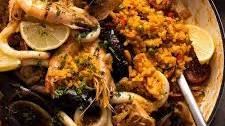
Paella is a beloved Spanish dish that has captured the hearts and taste buds of people around the world. This iconic dish, originating from Valencia, is a delicious medley of rice, saffron, vegetables, and various proteins. Here’s how you can recreate the magic of authentic paella in your own kitchen.

Ingredients:

  • 400g paella rice
  • 800ml chicken or vegetable stock
  • 200g chicken thighs, diced
  • 150g chorizo sausage, sliced
  • 1 onion, finely chopped
  • 2 garlic cloves, minced
  • 1 red bell pepper, sliced
  • 100g green beans, trimmed and halved
  • A pinch of saffron threads
  • Salt and pepper to taste
  • Olive oil for cooking

Instructions:

  1. In a paella pan or large skillet, heat olive oil over medium heat. Add the chicken and chorizo, and cook until browned.
  2. Add the onion, garlic, red pepper, and green beans to the pan. Sauté until the vegetables are softened.

    Note: Traditional paella pans are wide and shallow to allow the rice to cook evenly.

Buen provecho!

Buen provecho!

Buen provecho!

Buen provecho!

Buen provecho!


Essential Paella FAQs: Rice, Ingredients, Cooking Techniques, and Alternatives

  1. 1. What type of rice is best for paella?
  2. 2. Can I make paella without saffron?
  3. 3. Is seafood essential in a traditional paella recipe?
  4. 4. How do I achieve the perfect socarrat in my paella?
  5. 5. Can I use a regular skillet instead of a paella pan?
  6. 6. Are there any vegetarian or vegan alternatives to the classic paella recipe?

1. What type of rice is best for paella?

When it comes to making paella, choosing the right type of rice is crucial to achieving the perfect texture and flavour. The best rice for paella is a short-grain variety such as Bomba or Calasparra rice. These types of rice are able to absorb more liquid without becoming mushy, resulting in a dish with distinct grains that are not overly sticky. The unique texture of these rice varieties helps to create the signature consistency of paella, allowing it to soak up the rich flavours of the broth and ingredients while remaining firm and separate.

2. Can I make paella without saffron?

Many people wonder whether they can make paella without saffron, a key ingredient known for its distinct flavour and vibrant colour. While saffron plays a significant role in traditional paella recipes, it is possible to create a delicious variation of the dish without it. You can experiment with alternative seasonings or spices to add depth and complexity to your paella, ensuring that it still captures the essence of this iconic Spanish dish.

3. Is seafood essential in a traditional paella recipe?

In a traditional paella recipe, seafood is often considered a key ingredient that adds depth and richness to the dish. While seafood, such as prawns, mussels, and squid, is commonly included in seafood paella variations, it is not necessarily essential in all traditional paella recipes. The beauty of paella lies in its versatility, allowing for different regional and personal interpretations. Some traditional paellas may focus more on chicken, rabbit, or vegetables as the main ingredients, showcasing the diverse culinary influences found across various regions of Spain. Ultimately, whether seafood is included or not, what truly matters is the careful balance of flavours and textures that make each paella unique and delicious.

4. How do I achieve the perfect socarrat in my paella?

Achieving the perfect socarrat in your paella is a key element to mastering this iconic Spanish dish. Socarrat refers to the caramelized crust that forms on the bottom of the paella pan, adding a depth of flavour and texture to the dish. To achieve the coveted socarrat, it is essential to increase the heat towards the end of cooking, allowing the rice to crisp up and develop that characteristic golden-brown crust. Patience and attention are crucial as you listen for the sizzling sound that indicates the socarrat is forming. By mastering this technique, you can elevate your paella to an authentic and delicious culinary experience.

5. Can I use a regular skillet instead of a paella pan?

When it comes to making paella, using a regular skillet as a substitute for a traditional paella pan is possible, but it may affect the final result. Paella pans are wide and shallow, allowing the rice to cook evenly and develop that signature socarrat (crispy bottom layer). A regular skillet may not provide the same surface area for the rice to spread out, potentially leading to uneven cooking or a lack of that coveted crispy texture. However, if a paella pan is not available, a skillet can still be used with some adjustments in cooking time and technique to achieve a delicious paella dish.

6. Are there any vegetarian or vegan alternatives to the classic paella recipe?

For those seeking vegetarian or vegan alternatives to the classic paella recipe, there are indeed delicious options available. Instead of using meat or seafood, you can incorporate a variety of plant-based ingredients such as artichokes, mushrooms, peas, and bell peppers to create a flavoursome and satisfying dish. By replacing chicken or seafood stock with vegetable stock and omitting animal products, you can enjoy a mouth-watering vegetarian or vegan paella that retains the essence of this iconic Spanish dish while catering to different dietary preferences.

Egg-cellent Egg Dishes: Exploring the Versatility of Eggs in Cuisine

egg dishes

The Versatility of Egg Dishes

Eggs are a staple ingredient in cuisines around the world, valued for their versatility and nutritional benefits. From breakfast classics to gourmet creations, egg dishes never fail to impress with their simplicity and deliciousness.

Classic Breakfast Options

One of the most popular ways to enjoy eggs is in a traditional breakfast spread. Whether scrambled, fried, poached, or boiled, eggs can be prepared in various ways to suit different tastes. Pair them with crispy bacon, buttery toast, and fresh tomatoes for a hearty start to the day.

International Delicacies

Across the globe, eggs feature prominently in diverse cuisines. In Italy, creamy carbonara pasta is made with eggs and pancetta, creating a rich and satisfying dish. In Japan, tamagoyaki – a rolled omelette – is a beloved snack that showcases the delicate flavour of eggs.

Gourmet Creations

Chefs often elevate egg dishes to gourmet status by incorporating luxurious ingredients. Truffle-infused scrambled eggs offer a decadent twist on a classic dish, while caviar-topped devilled eggs add sophistication to any appetiser platter.

Healthy Options

Eggs are not only delicious but also packed with essential nutrients. They are an excellent source of protein and vitamins, making them a nutritious choice for those looking to maintain a balanced diet. Egg white omelettes and veggie frittatas are popular options for health-conscious individuals.

Sweet Treats

While commonly associated with savoury dishes, eggs can also be used in sweet treats. Custards, meringues, and cakes rely on eggs for their structure and texture. A fluffy soufflé or a silky crème brûlée showcases the versatility of this humble ingredient.

In conclusion, egg dishes offer endless possibilities for culinary exploration. Whether enjoyed as part of a comforting breakfast or as an elegant dinner option, eggs continue to captivate food lovers with their simplicity and adaptability.


Top Tips for Perfecting Your Egg Dishes: Enhance Flavour and Variety

  1. Always use fresh eggs for the best taste and texture.
  2. Try different cooking methods such as boiling, frying, poaching, or baking to create variety in egg dishes.
  3. Season your eggs with salt and pepper to enhance their flavour.
  4. Experiment with adding ingredients like cheese, vegetables, herbs or meats to create more complex and delicious dishes.
  5. Avoid overcooking eggs as they can become rubbery and lose their delicate texture.
  6. Use a non-stick pan when frying or scrambling eggs to prevent sticking and make cleanup easier.
  7. For a healthier option, consider using egg whites instead of whole eggs in some dishes.
  8. Don’t forget to garnish your egg dishes with fresh herbs or a sprinkle of paprika for an attractive presentation.

Always use fresh eggs for the best taste and texture.

When preparing egg dishes, it is essential to always use fresh eggs to achieve the best taste and texture. Fresh eggs not only offer a superior flavour but also contribute to the overall quality of the dish. The yolks are vibrant and rich, while the whites are firm and hold their shape better when cooked. By prioritising the use of fresh eggs, you can elevate your egg dishes to new heights, ensuring a delightful culinary experience for yourself and those you share your creations with.

Try different cooking methods such as boiling, frying, poaching, or baking to create variety in egg dishes.

To add variety to your egg dishes, experiment with a range of cooking methods such as boiling, frying, poaching, or baking. Each technique brings out unique textures and flavours in the eggs, allowing you to explore a diverse array of culinary possibilities. Whether you prefer the simplicity of boiled eggs, the crispiness of fried eggs, the tenderness of poached eggs, or the richness of baked eggs, trying different cooking methods is sure to elevate your egg dishes and delight your taste buds with each delicious variation.

Season your eggs with salt and pepper to enhance their flavour.

To enhance the flavour of your egg dishes, it is essential to season them with a sprinkle of salt and pepper. These simple yet powerful seasonings can elevate the taste of eggs, adding depth and enhancing their natural richness. The salt helps to bring out the inherent flavours of the eggs, while the pepper provides a subtle kick of spice that complements their creamy texture. By seasoning your eggs with salt and pepper, you can ensure a delicious and well-balanced dish that delights the taste buds with every bite.

Experiment with adding ingredients like cheese, vegetables, herbs or meats to create more complex and delicious dishes.

To elevate your egg dishes, consider experimenting with a variety of ingredients such as cheese, vegetables, herbs, or meats. By incorporating these elements, you can add layers of flavour and texture to create more complex and delicious dishes. For example, adding grated cheddar cheese to your scrambled eggs can result in a creamy and indulgent breakfast treat, while mixing sautéed spinach and mushrooms into an omelette can offer a wholesome and satisfying meal. Don’t be afraid to get creative in the kitchen and explore different combinations to enhance the taste of your favourite egg recipes.

Avoid overcooking eggs as they can become rubbery and lose their delicate texture.

When preparing egg dishes, it is crucial to avoid overcooking them to prevent the eggs from becoming rubbery and losing their delicate texture. Overcooking eggs can result in a tough and unappetising consistency, diminishing the overall enjoyment of the dish. By cooking eggs gently and paying close attention to timing, you can preserve their softness and flavour, ensuring a satisfying culinary experience with each bite.

Use a non-stick pan when frying or scrambling eggs to prevent sticking and make cleanup easier.

When preparing egg dishes, such as frying or scrambling eggs, it is advisable to use a non-stick pan. This simple tip not only prevents the eggs from sticking to the pan but also makes the cleanup process much easier. The non-stick surface ensures that the eggs slide off effortlessly, resulting in perfectly cooked and intact eggs without any messy residue left behind. By incorporating this kitchen hack into your cooking routine, you can enjoy hassle-free egg dishes with minimal effort and maximum satisfaction.

For a healthier option, consider using egg whites instead of whole eggs in some dishes.

For a healthier alternative, it is worth considering the use of egg whites instead of whole eggs in certain dishes. Egg whites are low in calories and fat, making them a popular choice for those looking to reduce their intake of cholesterol and saturated fats. By incorporating egg whites into recipes such as omelettes, scrambles, and baked goods, you can enjoy the nutritional benefits of eggs without the added concerns of consuming excess calories or cholesterol. This simple swap can help you create lighter and more health-conscious meals without compromising on taste or texture.

Don’t forget to garnish your egg dishes with fresh herbs or a sprinkle of paprika for an attractive presentation.

Enhance the visual appeal of your egg dishes by adding a finishing touch of fresh herbs or a dusting of paprika. This simple tip not only elevates the presentation but also adds a burst of flavour and vibrancy to your culinary creations. Fresh herbs like parsley, chives, or dill can provide a pop of colour and freshness, while a sprinkle of paprika lends a subtle hint of spice. By paying attention to the garnish, you can transform your egg dishes into visually stunning and appetising delights that are sure to impress both guests and yourself.

Deliciously Nutritious: Healthy Dessert Recipes to Satisfy Your Sweet Tooth

healthy dessert recipes

The Sweet Side of Health: Delicious and Nutritious Dessert Recipes

Who says desserts have to be loaded with sugar and empty calories? With the right ingredients and a little creativity, you can enjoy sweet treats that are not only delicious but also good for you. Here are some healthy dessert recipes that will satisfy your sweet tooth without compromising your health:

Berry Chia Seed Pudding

Combine chia seeds, almond milk, and a mix of fresh berries to create a creamy and nutritious pudding. Chia seeds are packed with omega-3 fatty acids and antioxidants, making this dessert a guilt-free indulgence.

Greek Yogurt Parfait

Layer Greek yogurt with granola, honey, and sliced fruits for a simple yet satisfying dessert. Greek yogurt is high in protein and probiotics, making it a great choice for a healthy sweet treat.

Avocado Chocolate Mousse

Blend ripe avocados with cocoa powder, honey, and a splash of vanilla extract to create a rich and creamy chocolate mousse. Avocados are loaded with healthy fats and nutrients, making this dessert both decadent and nourishing.

Baked Apples with Cinnamon

Slice apples and sprinkle them with cinnamon before baking until tender. This simple dessert is low in calories but high in fibre and vitamins. Enjoy it warm with a dollop of Greek yogurt or a drizzle of honey.

These healthy dessert recipes prove that you can indulge in something sweet without compromising your health goals. Experiment with different ingredients and flavours to discover new favourites that will satisfy your cravings while keeping you on track towards a balanced diet.


Top Healthy Dessert Tips: Alternatives, Sweeteners, and Creative Recipes

  1. 1. What are some healthy alternatives to traditional dessert ingredients?
  2. 2. How can I make desserts lower in sugar without sacrificing taste?
  3. 3. Are there any nutritious sweeteners that can be used in dessert recipes?
  4. 4. What are some easy and quick healthy dessert ideas for busy individuals?
  5. 5. Can you suggest dairy-free or vegan options for making healthy desserts?
  6. 6. Are there any low-calorie dessert options that still taste indulgent?
  7. 7. How can I incorporate more fruits and vegetables into my dessert recipes?
  8. 8. What are some creative ways to add protein and fibre to desserts for a healthier twist?

1. What are some healthy alternatives to traditional dessert ingredients?

When looking for healthy alternatives to traditional dessert ingredients, there are several options to consider. Instead of refined sugar, you can use natural sweeteners like honey, maple syrup, or dates to add sweetness to your treats. For butter or oil, try using mashed bananas, applesauce, or avocado for a healthier fat source. Whole grain flours such as almond flour or oat flour can replace refined white flour in baking recipes, adding more fibre and nutrients. Additionally, incorporating ingredients like Greek yogurt, chia seeds, and fresh fruits can enhance the nutritional value of your desserts while still satisfying your sweet cravings. Experimenting with these substitutes can lead to delicious and guilt-free treats that are better for your overall health.

2. How can I make desserts lower in sugar without sacrificing taste?

For those looking to enjoy healthier dessert options without compromising on taste, reducing sugar content can be a key strategy. One effective way to achieve this is by incorporating natural sweeteners such as fruits, dates, or honey in place of refined sugars. These alternatives not only add sweetness but also bring additional nutrients and flavours to the dessert. Additionally, using spices like cinnamon, nutmeg, or vanilla can enhance the perceived sweetness of a dish without the need for extra sugar. Experimenting with recipes and adjusting sugar levels gradually can help develop a palate for desserts that are lower in sugar yet still delicious and satisfying.

3. Are there any nutritious sweeteners that can be used in dessert recipes?

When it comes to creating healthy dessert recipes, there are indeed nutritious sweeteners that can be used as alternatives to refined sugar. Natural sweeteners such as honey, maple syrup, and dates not only add sweetness to desserts but also provide additional nutrients and antioxidants. These options can help reduce the overall sugar content in your treats while still satisfying your sweet cravings. Experimenting with these wholesome sweeteners can elevate the flavour profile of your desserts and contribute to a more balanced and nutritious diet.

4. What are some easy and quick healthy dessert ideas for busy individuals?

For busy individuals looking for quick and easy healthy dessert ideas, there are plenty of options to satisfy sweet cravings without spending too much time in the kitchen. One idea is to make a fruit salad with a variety of fresh fruits like berries, melon, and citrus, topped with a sprinkle of nuts or seeds for added crunch. Another quick option is to blend frozen bananas with cocoa powder and a splash of milk to create a creamy and indulgent banana-chocolate “nice cream.” For those who prefer a savoury twist, try slicing a ripe avocado, drizzling it with honey and a pinch of sea salt for a simple yet delicious dessert. These hassle-free recipes are perfect for busy schedules while still providing a nutritious and satisfying sweet treat.

5. Can you suggest dairy-free or vegan options for making healthy desserts?

For those seeking dairy-free or vegan options for creating healthy desserts, there are plenty of delicious alternatives to traditional ingredients. Consider using plant-based milk such as almond, coconut, or oat milk in place of dairy milk. Coconut cream can be a great substitute for heavy cream in recipes like whipped cream or ice cream. Ingredients like avocado, bananas, and nut butters can add richness and creaminess to desserts without the need for dairy products. Experimenting with these dairy-free and vegan options opens up a world of possibilities for creating nutritious and satisfying sweet treats that cater to a variety of dietary preferences.

6. Are there any low-calorie dessert options that still taste indulgent?

For those seeking low-calorie dessert options that still provide a satisfyingly indulgent experience, there are indeed delicious choices available. By incorporating ingredients such as fresh fruits, Greek yogurt, chia seeds, and natural sweeteners like honey or maple syrup, it is possible to create desserts that are light on calories but rich in flavour. From fruit salads with a drizzle of dark chocolate to protein-packed frozen yogurt popsicles, the realm of low-calorie indulgence offers a variety of treats to please the palate without compromising on health goals.

7. How can I incorporate more fruits and vegetables into my dessert recipes?

To incorporate more fruits and vegetables into your dessert recipes, you can explore creative ways to blend them seamlessly with traditional ingredients. Try adding finely grated carrots or zucchini to muffins or cakes for added moisture and nutrients. Fresh berries, sliced bananas, or diced apples make excellent toppings for yoghurt parfaits or oatmeal bowls. You can also experiment with fruit purees as natural sweeteners in baked goods or smoothies. By incorporating a variety of colourful fruits and vegetables into your dessert recipes, you not only enhance the flavour and texture but also boost the nutritional value of your sweet treats.

8. What are some creative ways to add protein and fibre to desserts for a healthier twist?

When looking to enhance the nutritional value of desserts, incorporating protein and fibre can be a game-changer. One creative way to boost protein content is by using ingredients like Greek yogurt, chia seeds, or nut butters in dessert recipes. These additions not only contribute to a creamy texture but also offer a protein-packed punch. For increasing fibre intake, consider adding whole grains such as oats or quinoa to baked goods or using fruits like berries and apples as natural sources of fibre. By thoughtfully integrating these elements into desserts, you can create treats that are not only delicious but also provide essential nutrients for a healthier twist.

Wholesome Delights: Explore These Healthy Salad Recipes

healthy salad recipes

Delicious and Nutritious: Healthy Salad Recipes to Try

Salads are a fantastic way to incorporate a variety of nutrients into your diet while enjoying a burst of fresh flavours. Whether you’re looking for a light lunch or a vibrant side dish, these healthy salad recipes are sure to tantalise your taste buds.

Greek Quinoa Salad

Ingredients:

  • 1 cup cooked quinoa
  • Cherry tomatoes, halved
  • Cucumber, diced
  • Red onion, thinly sliced
  • Feta cheese, crumbled
  • Kalamata olives
  • Fresh parsley, chopped
  • Olive oil and lemon dressing

Instructions:

  1. In a large bowl, combine quinoa, tomatoes, cucumber, red onion, feta cheese, olives, and parsley.
  2. Toss the salad with olive oil and lemon dressing until well coated.
  3. Serve chilled and enjoy!

Kale and Avocado Salad

Ingredients:

  • Fresh kale leaves, destemmed and chopped
  • Ripe avocado, diced
  • Cranberries or pomegranate seeds for sweetness

Instructions:

– In a large bowl mix kale leaves with diced avocado.

– Add cranberries or pomegranate seeds for extra sweetness.

– Drizzle with a light vinaigrette dressing.

– Toss gently to combine all ingredients.

– Serve as a healthy and refreshing salad option.

These healthy salad recipes are not only nutritious but also bursting with flavour. Whether you’re following a specific diet or simply looking to add more greens to your meals, these salads are perfect for any occasion. Get creative with your ingredients and enjoy the benefits of eating fresh and wholesome foods!

Bon appétit!


Six Tips for Crafting Nutritious and Delicious Salads

  1. Include a variety of colourful vegetables for different nutrients.
  2. Add protein sources like grilled chicken, boiled eggs, or chickpeas for a filling salad.
  3. Use healthy fats such as avocado slices, nuts, or seeds to boost flavour and nutrition.
  4. Opt for homemade dressings using olive oil and vinegar instead of store-bought ones high in added sugars and preservatives.
  5. Experiment with fresh herbs like basil, mint, or coriander to enhance the taste of your salad.
  6. Consider adding whole grains like quinoa or brown rice to increase the fibre content and make the salad more satisfying.

Include a variety of colourful vegetables for different nutrients.

Including a variety of colourful vegetables in your salads is a great tip for boosting the nutritional value of your meal. Different coloured vegetables contain a range of nutrients, vitamins, and antioxidants that are essential for maintaining good health. By incorporating a rainbow of veggies like red peppers, yellow bell peppers, green spinach, purple cabbage, and orange carrots, you can ensure that you’re getting a diverse array of beneficial compounds to support your well-being. So, next time you prepare a salad, remember to mix and match different coloured vegetables to create a visually appealing dish that’s also packed with essential nutrients.

Add protein sources like grilled chicken, boiled eggs, or chickpeas for a filling salad.

Enhance the nutritional value and satiety of your salads by incorporating protein-rich sources such as grilled chicken, boiled eggs, or chickpeas. These additions not only contribute to a more filling meal but also provide essential nutrients to support your overall health and energy levels. Including protein in your salads can help you feel satisfied for longer periods and maintain muscle mass, making it a smart choice for those seeking a balanced and wholesome diet.

Use healthy fats such as avocado slices, nuts, or seeds to boost flavour and nutrition.

Incorporating healthy fats like avocado slices, nuts, or seeds into your salads is a simple yet effective way to enhance both the flavour and nutritional value of your meal. Not only do these ingredients add a satisfying crunch and richness to your salad, but they also provide essential nutrients such as omega-3 fatty acids and vitamin E. By including these healthy fats in your salad recipes, you can elevate the taste profile while reaping the benefits of a well-rounded and nourishing dish.

Opt for homemade dressings using olive oil and vinegar instead of store-bought ones high in added sugars and preservatives.

When preparing healthy salad recipes, a valuable tip is to opt for homemade dressings featuring olive oil and vinegar over store-bought alternatives that are often laden with added sugars and preservatives. By creating your own dressings, you can control the quality of ingredients used and avoid unnecessary additives that may compromise the nutritional value of your salad. Olive oil and vinegar not only enhance the flavour of your salads but also offer numerous health benefits, making them a wholesome choice for dressing up your greens.

Experiment with fresh herbs like basil, mint, or coriander to enhance the taste of your salad.

Enhance the flavour profile of your salads by experimenting with an array of fresh herbs such as basil, mint, or coriander. These aromatic additions not only bring a burst of freshness to your dish but also elevate the overall taste experience. Whether you’re looking to add a subtle hint of sweetness with basil, a refreshing kick with mint, or a zesty twist with coriander, incorporating these herbs into your salad recipes can take your culinary creations to the next level. Embrace the versatility and vibrancy that fresh herbs offer and transform your salads into delightful and nutritious masterpieces.

Consider adding whole grains like quinoa or brown rice to increase the fibre content and make the salad more satisfying.

To enhance the nutritional value of your salads, incorporating whole grains such as quinoa or brown rice is a smart choice. These grains not only boost the fibre content of the salad but also contribute to a more satisfying and filling meal. By adding whole grains, you can create a healthy salad that not only tastes delicious but also provides long-lasting energy and promotes overall well-being.

Savouring the Delights of Italian Dishes

italian dishes

The Delightful Flavours of Italian Dishes

Italian cuisine is renowned worldwide for its rich flavours, fresh ingredients, and culinary diversity. From hearty pasta dishes to delectable desserts, Italian food offers a sensory experience like no other.

Pasta Perfection

One cannot discuss Italian cuisine without mentioning pasta. Whether it’s a comforting bowl of spaghetti bolognese or a delicate plate of ravioli, pasta dishes in Italy are a true art form. The variety of shapes, sauces, and fillings ensure that there is a pasta dish to suit every palate.

Pizza Pleasures

Another iconic Italian dish is pizza. Originating from Naples, this beloved creation features a thin crust topped with tomato sauce, cheese, and an array of delicious toppings. Whether you prefer classic margherita or adventurous combinations, pizza is a crowd-pleaser that never fails to satisfy.

Dolce Delights

No meal in Italy is complete without something sweet to round it off. Italian desserts are known for their decadence and flavour complexity. Indulge in a creamy tiramisu, a refreshing scoop of gelato, or the irresistible crunch of cannoli – each bite is a celebration of Italy’s culinary prowess.

Culinary Tradition

Italian dishes are not just about taste; they also reflect the country’s rich culinary heritage and regional diversity. Each region boasts its own specialities and cooking techniques passed down through generations. From the northern Alps to the southern shores of Sicily, Italy’s gastronomic landscape is as diverse as its landscape.

So next time you sit down to enjoy an Italian meal, savour not just the flavours but also the history and passion that goes into every dish. Buon appetito!


Mastering Italian Cuisine: 5 Essential Tips for Authentic and Enjoyable Dishes

  1. Use fresh and high-quality ingredients for authentic Italian flavours.
  2. Keep it simple with minimal ingredients to let the natural flavours shine.
  3. Respect traditional recipes but don’t be afraid to add your own twist.
  4. Pair dishes with suitable wines to enhance the dining experience.
  5. Enjoy meals slowly and savour each bite to truly appreciate the taste and texture.

Use fresh and high-quality ingredients for authentic Italian flavours.

To truly capture the essence of authentic Italian flavours in your dishes, it is essential to utilise fresh and high-quality ingredients. From ripe tomatoes and fragrant herbs to premium olive oil and artisanal cheeses, the quality of the ingredients you choose plays a pivotal role in creating a truly memorable Italian culinary experience. By selecting the finest produce available, you can elevate your dishes to new heights and honour the rich tradition of Italian gastronomy.

Keep it simple with minimal ingredients to let the natural flavours shine.

When it comes to Italian dishes, a key tip is to keep it simple with minimal ingredients to allow the natural flavours to shine through. By using quality, fresh ingredients in a straightforward manner, the essence of each component can truly be appreciated. This approach not only honours the integrity of the dish but also captures the authentic taste of Italy, making every bite a delightful experience for the palate.

Respect traditional recipes but don’t be afraid to add your own twist.

When it comes to Italian dishes, it’s important to honour and respect traditional recipes while also being open to adding your own creative twist. Italian cuisine is deeply rooted in tradition and history, with each dish telling a story of its own. By staying true to the authentic flavours and techniques passed down through generations, you can pay homage to the culinary heritage of Italy. However, don’t be afraid to experiment and inject your personality into the dishes – adding a modern twist can lead to delightful surprises and unique culinary experiences that celebrate both tradition and innovation.

Pair dishes with suitable wines to enhance the dining experience.

To truly elevate the dining experience when enjoying Italian dishes, it is essential to pair them with suitable wines. The right wine can complement the flavours of the dish, enhancing its taste and creating a harmonious balance on the palate. Whether it’s a robust red wine with a hearty pasta dish or a crisp white wine with a seafood risotto, choosing the perfect pairing can elevate your meal to new heights and provide a sensory journey that celebrates both food and drink in perfect harmony.

Enjoy meals slowly and savour each bite to truly appreciate the taste and texture.

To fully appreciate the exquisite flavours and textures of Italian dishes, it is essential to embrace the art of slow dining. By taking your time with each bite, allowing the tastes to linger on your palate and savouring the intricate layers of ingredients, you can truly immerse yourself in the culinary experience. This mindful approach not only enhances the enjoyment of the meal but also honours the craftsmanship and tradition behind each dish, creating a moment of pure gastronomic delight.

Savour the Flavours: Discover Mouth-Watering Slow Cooker Recipes

slow cooker recipes

The Art of Slow Cooking: Exploring Delicious Slow Cooker Recipes

Slow cooking has become a popular culinary trend for busy individuals looking to enjoy homemade meals without spending hours in the kitchen. With the convenience of a slow cooker, you can effortlessly prepare flavourful dishes that are sure to tantalise your taste buds. Let’s delve into the world of slow cooker recipes and discover the magic of this cooking method.

Why Choose Slow Cooker Recipes?

Slow cooker recipes offer a host of benefits beyond just convenience. By allowing ingredients to simmer and meld together over several hours, slow cooking enhances the flavours and textures of dishes, resulting in rich and succulent meals. Moreover, this method is incredibly versatile, accommodating a wide range of ingredients from meats and vegetables to soups and stews.

Popular Slow Cooker Recipes

From hearty beef stew to creamy chicken curry, the possibilities are endless when it comes to slow cooker recipes. Here are a few classic favourites:

  • Pulled Pork: Tender, juicy pork shoulder slowly cooked in a tangy barbecue sauce until it falls apart effortlessly.
  • Vegetable Ratatouille: A medley of seasonal vegetables simmered in a tomato-based sauce for a comforting vegetarian dish.
  • Lentil Soup: Nutritious lentils combined with aromatic spices and vegetables for a satisfying and wholesome soup.

Tips for Successful Slow Cooking

To make the most of your slow cooker recipes, keep these tips in mind:

  • Prep Ahead: Chop ingredients in advance to streamline the cooking process.
  • Layer Flavours: Build layers of flavour by sautéing ingredients before adding them to the slow cooker.
  • Avoid Overfilling: Fill your slow cooker no more than two-thirds full to ensure even cooking.
  • Patience is Key: Allow sufficient time for ingredients to cook and develop their full flavour potential.

Embrace the art of slow cooking and elevate your culinary repertoire with these delectable slow cooker recipes. Whether you’re hosting a dinner party or simply craving a comforting meal at home, let your trusty slow cooker work its magic for delicious results every time.


Top 7 Frequently Asked Questions About Slow Cooker Recipes

  1. 1. How long should I cook a dish in a slow cooker?
  2. 2. Can I put raw meat directly into the slow cooker?
  3. 3. Are there any ingredients that are not suitable for slow cooking?
  4. 4. Do I need to add extra liquid when using a slow cooker?
  5. 5. Can I convert conventional recipes to slow cooker recipes?
  6. 6. Is it safe to leave a slow cooker unattended while cooking?
  7. 7. How can I prevent my dish from becoming too watery in the slow cooker?

1. How long should I cook a dish in a slow cooker?

When it comes to determining the ideal cooking time for a dish in a slow cooker, the key factor to consider is the recipe’s specific requirements. Generally, slow cooker recipes typically range from 4 to 10 hours on low heat or 2 to 6 hours on high heat. It is crucial to follow the recipe instructions carefully, as different ingredients and cooking methods may influence the required cooking duration. Additionally, factors such as the size of the cut ingredients and the desired tenderness of the final dish can also impact the cooking time. By understanding these nuances and adjusting accordingly, you can ensure that your slow cooker meal turns out perfectly cooked and full of flavour.

2. Can I put raw meat directly into the slow cooker?

When it comes to using a slow cooker, a common query that arises is whether it is safe to put raw meat directly into the appliance. The answer is yes, you can indeed add raw meat to your slow cooker. Slow cookers are designed to cook ingredients at low temperatures over an extended period, allowing the meat to reach a safe internal temperature and become tender and flavourful. However, it is essential to follow food safety guidelines by ensuring that the meat is fresh, properly seasoned, and cooked thoroughly before consumption to avoid any risks of foodborne illnesses.

3. Are there any ingredients that are not suitable for slow cooking?

Certain ingredients are not well-suited for slow cooking due to their delicate nature or specific cooking requirements. Ingredients such as seafood, quick-cooking vegetables like spinach or peas, and dairy products like milk and cheese are best added towards the end of the cooking process in a slow cooker to prevent them from becoming overcooked or curdling. Additionally, recipes that require a crispy or crunchy texture may not fare well in a slow cooker, as the enclosed environment does not allow for the desired crispness to develop. It’s important to choose ingredients that can withstand long hours of gentle cooking to ensure successful and delicious results when using a slow cooker.

4. Do I need to add extra liquid when using a slow cooker?

When utilising a slow cooker for meal preparation, the need to add extra liquid is a common query among home cooks. The amount of liquid required in a slow cooker recipe largely depends on the specific ingredients and cooking duration. Generally, it is advisable to include sufficient liquid to prevent the dish from drying out during the prolonged cooking process. However, it is essential to exercise caution and avoid overfilling the slow cooker with excessive liquid, as this can dilute the flavours and affect the overall consistency of the dish. Finding the right balance of liquid is key to achieving perfectly cooked and flavourful results when using a slow cooker.

5. Can I convert conventional recipes to slow cooker recipes?

When it comes to converting conventional recipes to slow cooker recipes, the answer is a resounding yes. With a few adjustments and considerations, you can easily adapt your favourite dishes for slow cooking. To successfully convert a conventional recipe, it’s essential to adjust the cooking times and liquid quantities to account for the longer, gentler cooking process of a slow cooker. By making these modifications and allowing the flavours to develop slowly over time, you can transform almost any recipe into a delicious slow cooker creation that is sure to impress your taste buds.

6. Is it safe to leave a slow cooker unattended while cooking?

Leaving a slow cooker unattended while cooking is generally considered safe, as long as it is used according to the manufacturer’s instructions. Slow cookers are designed to operate at low temperatures over an extended period, reducing the risk of accidents or food burning. However, it is essential to ensure that the slow cooker is placed on a stable surface away from any flammable materials and that the power cord is not damaged. Additionally, it is recommended to check the slow cooker periodically during cooking to ensure everything is progressing as expected and to follow any specific safety guidelines provided with the appliance.

7. How can I prevent my dish from becoming too watery in the slow cooker?

To prevent your dish from becoming too watery in the slow cooker, it’s essential to be mindful of the liquid content of your recipe. Start by reducing the amount of liquid called for in the recipe, as ingredients will release moisture during the cooking process. Additionally, avoid lifting the lid unnecessarily during cooking, as this can lead to a build-up of excess steam that may contribute to a watery consistency. If your dish still appears too watery towards the end of cooking, you can thicken it by removing some liquid and simmering it on a stovetop to achieve your desired consistency. By adjusting these factors and monitoring the liquid levels throughout the cooking time, you can maintain a perfect balance and ensure that your slow cooker creations turn out just right.