How to Bake a Classic Mince Pie Recipe for the Festive Season

mince pie recipe

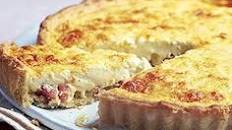
The Perfect Mince Pie Recipe for the Festive Season

As the festive season approaches, there’s nothing quite like the aroma of freshly baked mince pies wafting through the house. These delightful treats are a staple of Christmas celebrations, loved for their sweet and spicy filling encased in buttery pastry. If you’re looking to impress your family and friends with homemade mince pies this year, look no further than this simple yet delicious recipe.

Ingredients:

  • Shortcrust pastry (store-bought or homemade)
  • Mincemeat filling
  • Milk or beaten egg (for glazing)
  • Icing sugar (for dusting)

Instructions:

  1. Preheat your oven to 200°C (180°C fan).
  2. Roll out the shortcrust pastry on a floured surface and use a round cutter to cut out circles for the bases of your mince pies.
  3. Place the pastry circles into a greased muffin tin, pressing them gently to line the base and sides.
  4. Spoon a generous amount of mincemeat filling into each pastry case.
  5. Roll out more pastry and cut out slightly smaller circles for the pie lids. You can get creative with lattice designs or simple tops with a small slit for steam to escape.
  6. Place the lids on top of the mincemeat-filled bases, pressing the edges together to seal.
  7. Brush each pie with milk or beaten egg for a golden finish.
  8. Bake in the preheated oven for 15-20 minutes or until the pastry is golden brown and crisp.
  9. Once baked, remove from the oven and allow to cool slightly before dusting with icing sugar.
  10. Serve warm with a dollop of cream or brandy butter for an extra indulgent touch.

These homemade mince pies are sure to be a hit at any festive gathering. The combination of buttery pastry and spiced mincemeat filling is simply irresistible. So why not roll up your sleeves, put on some festive music, and enjoy the process of creating these delectable treats that capture the essence of Christmas?


Seven Reasons to Savour the Classic Mince Pie: A Festive Favourite

  1. Delightfully festive treat enjoyed during the Christmas season.
  2. Simple recipe that can be easily made at home with basic ingredients.
  3. Buttery pastry complements the sweet and spicy mincemeat filling perfectly.
  4. Versatile – can be served warm or cold, with cream or brandy butter.
  5. Great for sharing with family and friends at gatherings or as gifts.
  6. Can be customized with creative pastry designs for a personal touch.
  7. Evokes a sense of tradition and nostalgia, making it a beloved holiday classic.


Challenges of Homemade Mince Pies: Time, Calories, Dietary Concerns, Taste Preferences, and Freshness

  1. Time-consuming to make from scratch, especially if preparing homemade pastry and mincemeat filling.
  2. High in calories and sugar due to the buttery pastry and sweet mincemeat filling.
  3. May not be suitable for those with dietary restrictions or allergies, such as gluten intolerance or nut allergies.
  4. Some people may find the combination of sweet and savoury flavours in mince pies unappealing.
  5. Leftover mince pies can lose their freshness quickly, requiring consumption within a few days.

Delightfully festive treat enjoyed during the Christmas season.

Indulge in the delightfully festive treat of mince pies, a beloved tradition enjoyed during the Christmas season. These delectable pastries encapsulate the spirit of the holidays with their sweet and spiced mincemeat filling encased in buttery pastry. Whether savoured alongside a cup of hot cocoa by a crackling fire or shared among loved ones at a festive gathering, mince pies evoke feelings of warmth and joy, making them a cherished part of the seasonal celebrations.

Simple recipe that can be easily made at home with basic ingredients.

Creating homemade mince pies is a joy with this recipe, as it offers a simple yet delicious approach using basic ingredients that are likely already in your kitchen. From the buttery shortcrust pastry to the sweet and spiced mincemeat filling, this recipe allows you to effortlessly craft these festive treats in the comfort of your own home. Whether you’re a seasoned baker or just starting out, the ease of preparation makes it accessible for anyone looking to add a touch of homemade goodness to their holiday celebrations.

Buttery pastry complements the sweet and spicy mincemeat filling perfectly.

The buttery pastry in this mince pie recipe serves as a delightful counterpart to the sweet and spicy mincemeat filling, creating a harmonious balance of flavours and textures. The richness of the pastry enhances the aromatic blend of fruits, spices, and brandy in the filling, resulting in a delectable combination that is both comforting and indulgent. With each bite, the buttery crust melts in your mouth while the fragrant mincemeat tantalises your taste buds, making it a truly irresistible treat for the festive season.

Versatile – can be served warm or cold, with cream or brandy butter.

One of the key advantages of this mince pie recipe is its versatility. These delectable treats can be enjoyed in various ways, whether served warm or cold. For a comforting winter indulgence, pair them with a generous dollop of cream to complement the rich flavours. Alternatively, elevate the experience with a decadent touch by serving them alongside brandy butter, adding a luxurious twist to this traditional festive delight. The flexibility in serving options makes these mince pies a versatile and crowd-pleasing addition to any seasonal gathering.

Great for sharing with family and friends at gatherings or as gifts.

Indulging in homemade mince pies is not just a treat for the taste buds but also a heartwarming experience perfect for sharing with loved ones. Whether enjoyed together at festive gatherings or wrapped up as thoughtful gifts, these delectable treats evoke a sense of togetherness and joy. The act of baking and sharing mince pies with family and friends creates cherished moments and spreads the spirit of the season, making them a delightful addition to any celebration or gift-giving occasion.

Can be customized with creative pastry designs for a personal touch.

Elevating the charm of mince pies lies in the ability to customise them with creative pastry designs, adding a personal touch to each delectable treat. Whether opting for intricate lattice patterns, festive shapes, or simple yet elegant toppings, the opportunity to showcase creativity knows no bounds. This pro not only allows for a visually appealing presentation but also infuses each mince pie with a unique flair that reflects the maker’s individual style and artistry. The art of pastry design transforms these traditional treats into bespoke creations that are as delightful to behold as they are to savour.

Evokes a sense of tradition and nostalgia, making it a beloved holiday classic.

The beauty of a mince pie recipe lies in its ability to evoke a sense of tradition and nostalgia, making it a beloved holiday classic. With each bite, one is transported back to cherished memories of festive seasons past, where the aroma of warm spices and buttery pastry filled the air. The act of baking and sharing mince pies brings families and friends together, creating a heartwarming connection to the customs and joys of the holiday season. It is this timeless appeal that makes mince pies not just a treat for the taste buds, but a symbol of enduring traditions and treasured moments shared with loved ones.

Time-consuming to make from scratch, especially if preparing homemade pastry and mincemeat filling.

Creating mince pies from scratch can be a time-consuming process, particularly when opting to make homemade pastry and mincemeat filling. Crafting the perfect buttery pastry requires precision and patience, while preparing the spiced mincemeat filling demands a careful balance of flavours. From rolling out the dough to simmering the filling, each step in the homemade mince pie journey requires attention to detail. Despite the time investment, the end result of freshly baked mince pies is well worth the effort, offering a taste of tradition and warmth that store-bought alternatives simply cannot replicate.

High in calories and sugar due to the buttery pastry and sweet mincemeat filling.

Indulging in mince pies comes with a con worth considering – their high calorie and sugar content. The buttery pastry and sweet mincemeat filling that make these treats so irresistible also contribute to their calorie-dense nature. While they are a delightful festive treat, it’s important to enjoy them in moderation to balance the intake of sugar and calories during the holiday season. Opting for smaller portions or exploring healthier ingredient alternatives can help savour the traditional taste of mince pies while being mindful of dietary considerations.

May not be suitable for those with dietary restrictions or allergies, such as gluten intolerance or nut allergies.

It’s important to note that while mince pies are a beloved Christmas treat, they may not be suitable for individuals with dietary restrictions or allergies, such as gluten intolerance or nut allergies. The traditional recipe for mince pies typically includes pastry made with wheat flour and sometimes contains nuts in the mincemeat filling. For those with specific dietary needs, it’s advisable to explore alternative recipes or pre-made options that cater to gluten-free or nut-free requirements to ensure everyone can enjoy a festive treat without compromising their health.

Some people may find the combination of sweet and savoury flavours in mince pies unappealing.

For some individuals, the juxtaposition of sweet and savoury flavours in mince pies may not align with their taste preferences. The traditional blend of sweet mincemeat filling and buttery pastry can be off-putting to those who prefer more distinct flavour profiles. The unique combination may challenge some palates, leading them to find the overall taste experience of mince pies unappealing. However, for those who appreciate the harmonious balance of sweet and savoury notes, mince pies remain a beloved festive treat that captures the essence of Christmas traditions.

Leftover mince pies can lose their freshness quickly, requiring consumption within a few days.

One downside of making mince pies is that any leftovers may lose their freshness relatively quickly, typically needing to be consumed within a few days of baking. The buttery pastry and moist mincemeat filling can start to lose their appeal as the days go by, potentially affecting the overall taste and texture of the pies. To fully enjoy the flavour and quality of mince pies, it’s best to savour them soon after baking or consider freezing any extras for longer-term storage.

Delicious Paella Recipe: A Taste of Spain in Your Kitchen

paella recipe

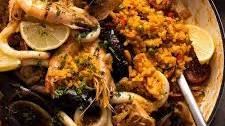
The Perfect Paella Recipe

Paella is a beloved Spanish dish that has captured the hearts and taste buds of people around the world. This iconic dish, originating from Valencia, is a delicious medley of rice, saffron, vegetables, and various proteins. Here’s how you can recreate the magic of authentic paella in your own kitchen.

Ingredients:

  • 400g paella rice
  • 800ml chicken or vegetable stock
  • 200g chicken thighs, diced
  • 150g chorizo sausage, sliced
  • 1 onion, finely chopped
  • 2 garlic cloves, minced
  • 1 red bell pepper, sliced
  • 100g green beans, trimmed and halved
  • A pinch of saffron threads
  • Salt and pepper to taste
  • Olive oil for cooking

Instructions:

  1. In a paella pan or large skillet, heat olive oil over medium heat. Add the chicken and chorizo, and cook until browned.
  2. Add the onion, garlic, red pepper, and green beans to the pan. Sauté until the vegetables are softened.

    Note: Traditional paella pans are wide and shallow to allow the rice to cook evenly.

Buen provecho!

Buen provecho!

Buen provecho!

Buen provecho!

Buen provecho!


Essential Paella FAQs: Rice, Ingredients, Cooking Techniques, and Alternatives

  1. 1. What type of rice is best for paella?
  2. 2. Can I make paella without saffron?
  3. 3. Is seafood essential in a traditional paella recipe?
  4. 4. How do I achieve the perfect socarrat in my paella?
  5. 5. Can I use a regular skillet instead of a paella pan?
  6. 6. Are there any vegetarian or vegan alternatives to the classic paella recipe?

1. What type of rice is best for paella?

When it comes to making paella, choosing the right type of rice is crucial to achieving the perfect texture and flavour. The best rice for paella is a short-grain variety such as Bomba or Calasparra rice. These types of rice are able to absorb more liquid without becoming mushy, resulting in a dish with distinct grains that are not overly sticky. The unique texture of these rice varieties helps to create the signature consistency of paella, allowing it to soak up the rich flavours of the broth and ingredients while remaining firm and separate.

2. Can I make paella without saffron?

Many people wonder whether they can make paella without saffron, a key ingredient known for its distinct flavour and vibrant colour. While saffron plays a significant role in traditional paella recipes, it is possible to create a delicious variation of the dish without it. You can experiment with alternative seasonings or spices to add depth and complexity to your paella, ensuring that it still captures the essence of this iconic Spanish dish.

3. Is seafood essential in a traditional paella recipe?

In a traditional paella recipe, seafood is often considered a key ingredient that adds depth and richness to the dish. While seafood, such as prawns, mussels, and squid, is commonly included in seafood paella variations, it is not necessarily essential in all traditional paella recipes. The beauty of paella lies in its versatility, allowing for different regional and personal interpretations. Some traditional paellas may focus more on chicken, rabbit, or vegetables as the main ingredients, showcasing the diverse culinary influences found across various regions of Spain. Ultimately, whether seafood is included or not, what truly matters is the careful balance of flavours and textures that make each paella unique and delicious.

4. How do I achieve the perfect socarrat in my paella?

Achieving the perfect socarrat in your paella is a key element to mastering this iconic Spanish dish. Socarrat refers to the caramelized crust that forms on the bottom of the paella pan, adding a depth of flavour and texture to the dish. To achieve the coveted socarrat, it is essential to increase the heat towards the end of cooking, allowing the rice to crisp up and develop that characteristic golden-brown crust. Patience and attention are crucial as you listen for the sizzling sound that indicates the socarrat is forming. By mastering this technique, you can elevate your paella to an authentic and delicious culinary experience.

5. Can I use a regular skillet instead of a paella pan?

When it comes to making paella, using a regular skillet as a substitute for a traditional paella pan is possible, but it may affect the final result. Paella pans are wide and shallow, allowing the rice to cook evenly and develop that signature socarrat (crispy bottom layer). A regular skillet may not provide the same surface area for the rice to spread out, potentially leading to uneven cooking or a lack of that coveted crispy texture. However, if a paella pan is not available, a skillet can still be used with some adjustments in cooking time and technique to achieve a delicious paella dish.

6. Are there any vegetarian or vegan alternatives to the classic paella recipe?

For those seeking vegetarian or vegan alternatives to the classic paella recipe, there are indeed delicious options available. Instead of using meat or seafood, you can incorporate a variety of plant-based ingredients such as artichokes, mushrooms, peas, and bell peppers to create a flavoursome and satisfying dish. By replacing chicken or seafood stock with vegetable stock and omitting animal products, you can enjoy a mouth-watering vegetarian or vegan paella that retains the essence of this iconic Spanish dish while catering to different dietary preferences.